AQA · GCSE · Biology
Infection and response
Master the fascinating microscopic battles happening inside you right now! This topic covers the pathogens that cause disease, how your brilliant immune system fights back, and the science behind life-saving vaccines and drugs.
- 8 min read
- 3 worked examples
- 5 practice questions
- 6 key terms
Study Notes
Overview
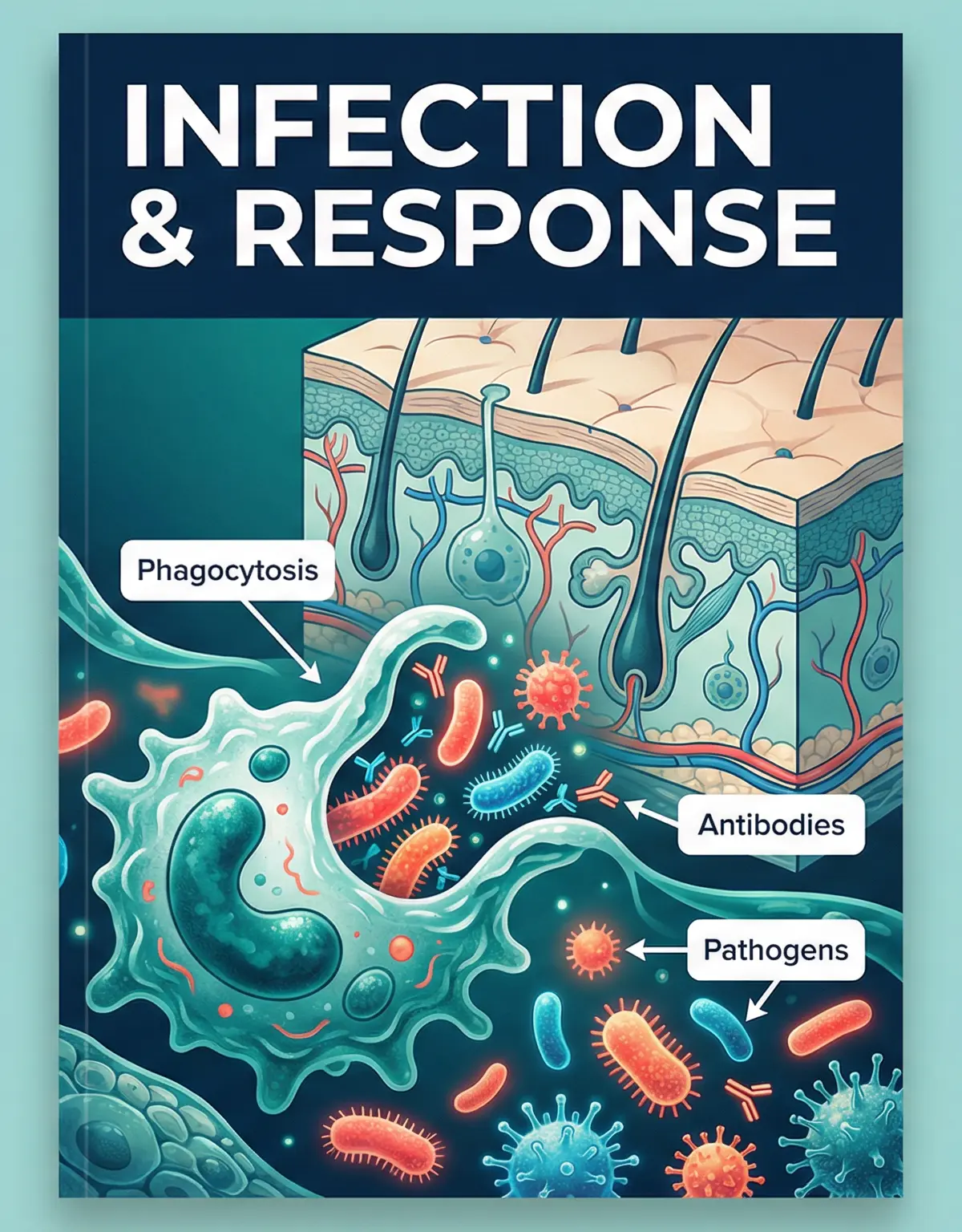
This topic, Infection and Response, is a cornerstone of GCSE Biology because it connects the microscopic world of cells to the macro-level reality of human health. You will explore the four main types of pathogens—bacteria, viruses, fungi, and protists—and learn exactly how they cause disease. More importantly, you will discover the remarkable mechanisms your body uses to defend itself, from physical barriers like the skin to the complex, targeted responses of your white blood cells.
Examiners love this topic because it allows them to test your understanding of processes (like phagocytosis) alongside your ability to interpret data (such as graphs showing antibiotic resistance or the efficacy of a new vaccine). You will frequently encounter questions that ask you to explain why a particular treatment works or fails, requiring you to apply your knowledge of cell biology. Furthermore, this topic links heavily to the development of new medicines, making it highly relevant to modern medical science.
Listen to the companion podcast below for a comprehensive review of this topic:
Key Concepts
Concept 1: Pathogens and Disease
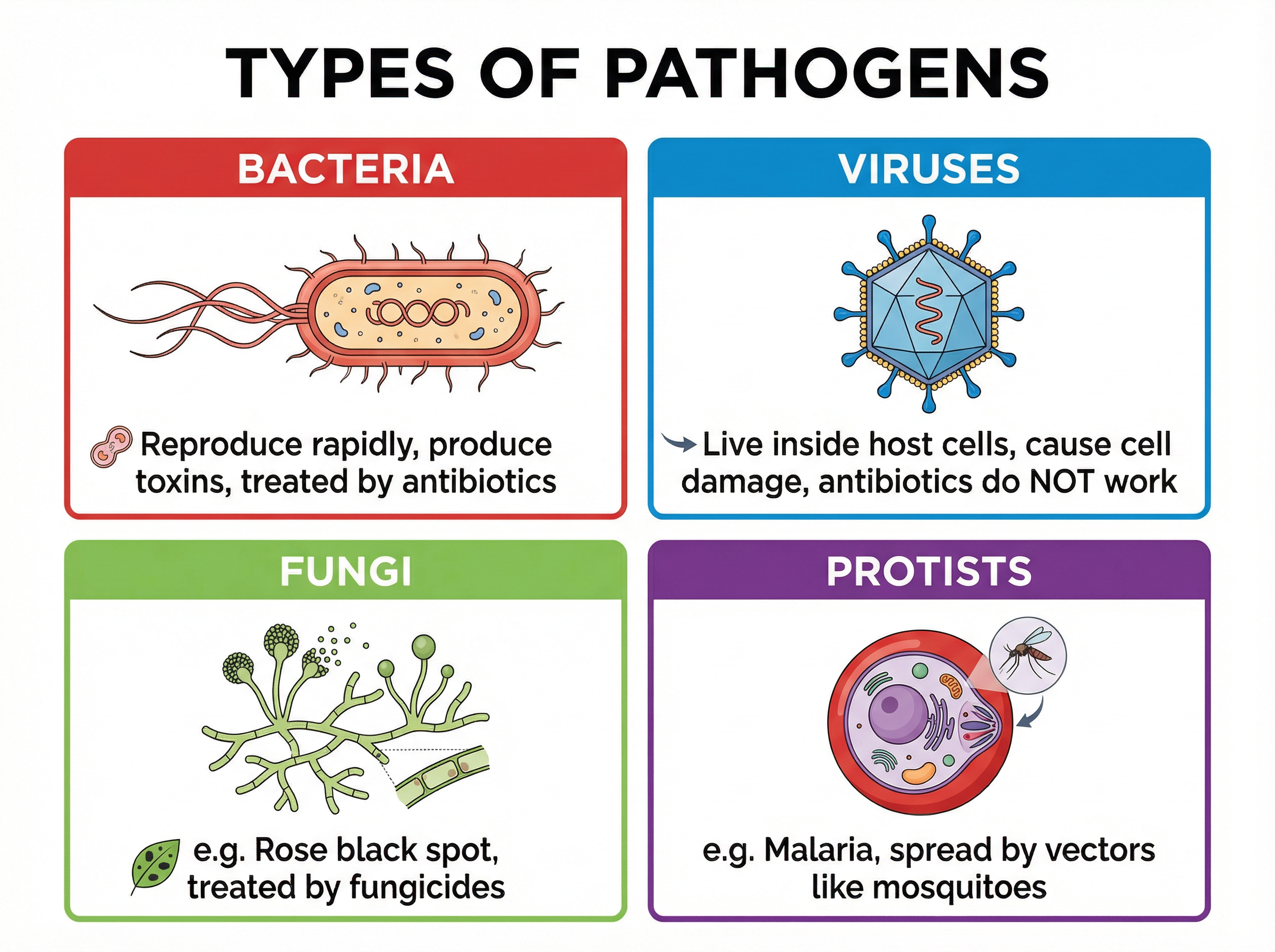
A pathogen is defined precisely as a microorganism that causes infectious disease. This definition is crucial; examiners will look for these exact terms. There are four categories of pathogens you must be able to distinguish:
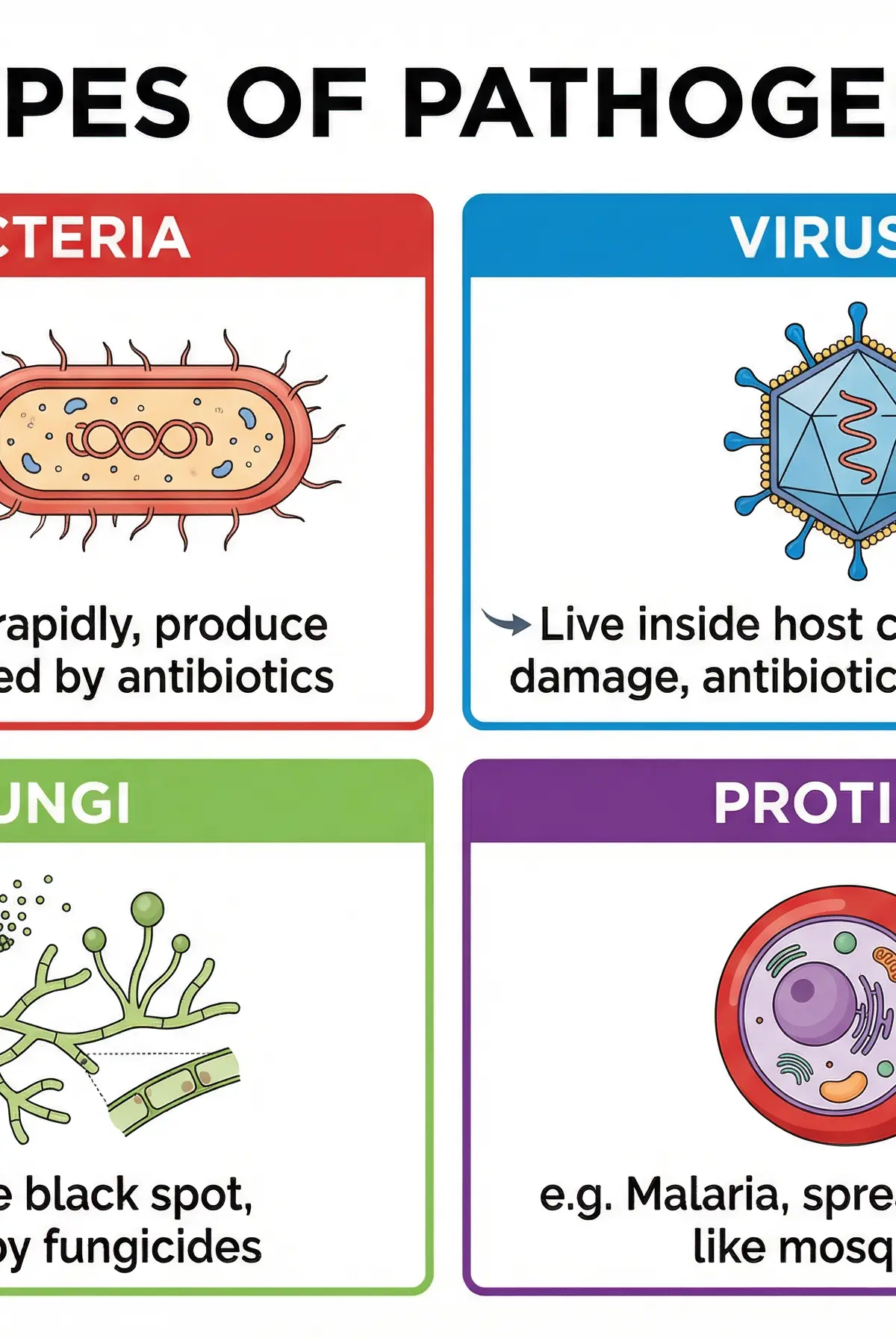
Bacteria are prokaryotic cells that reproduce incredibly rapidly inside the body. They cause illness primarily by producing toxins (poisons) that damage tissues. A classic example is Salmonella, which causes food poisoning. It is the toxins released by the bacteria, rather than just the presence of the bacteria themselves, that lead to the symptoms of fever, abdominal cramps, and vomiting.
Viruses are significantly smaller than bacteria and are not true cells. They cannot reproduce on their own; instead, they must invade a host cell and use its machinery to replicate. This process inevitably damages or destroys the host cell when the new viruses burst out to infect neighbouring cells. This cell damage is what makes you feel ill. The measles virus and HIV are key examples.
Fungi can be single-celled or have a body made of thread-like structures called hyphae. These hyphae can penetrate human skin or the surface of plants, causing diseases like athlete's foot in humans or rose black spot in plants.
Protists are diverse eukaryotic organisms. Some are parasitic, meaning they live on or inside a host organism and cause damage. Malaria is the primary example you need to know. It is caused by a protist (Plasmodium) and is spread by mosquitoes. The mosquito acts as a vector—an organism that carries and transmits the pathogen without suffering from the disease itself.
Concept 2: The Human Immune System
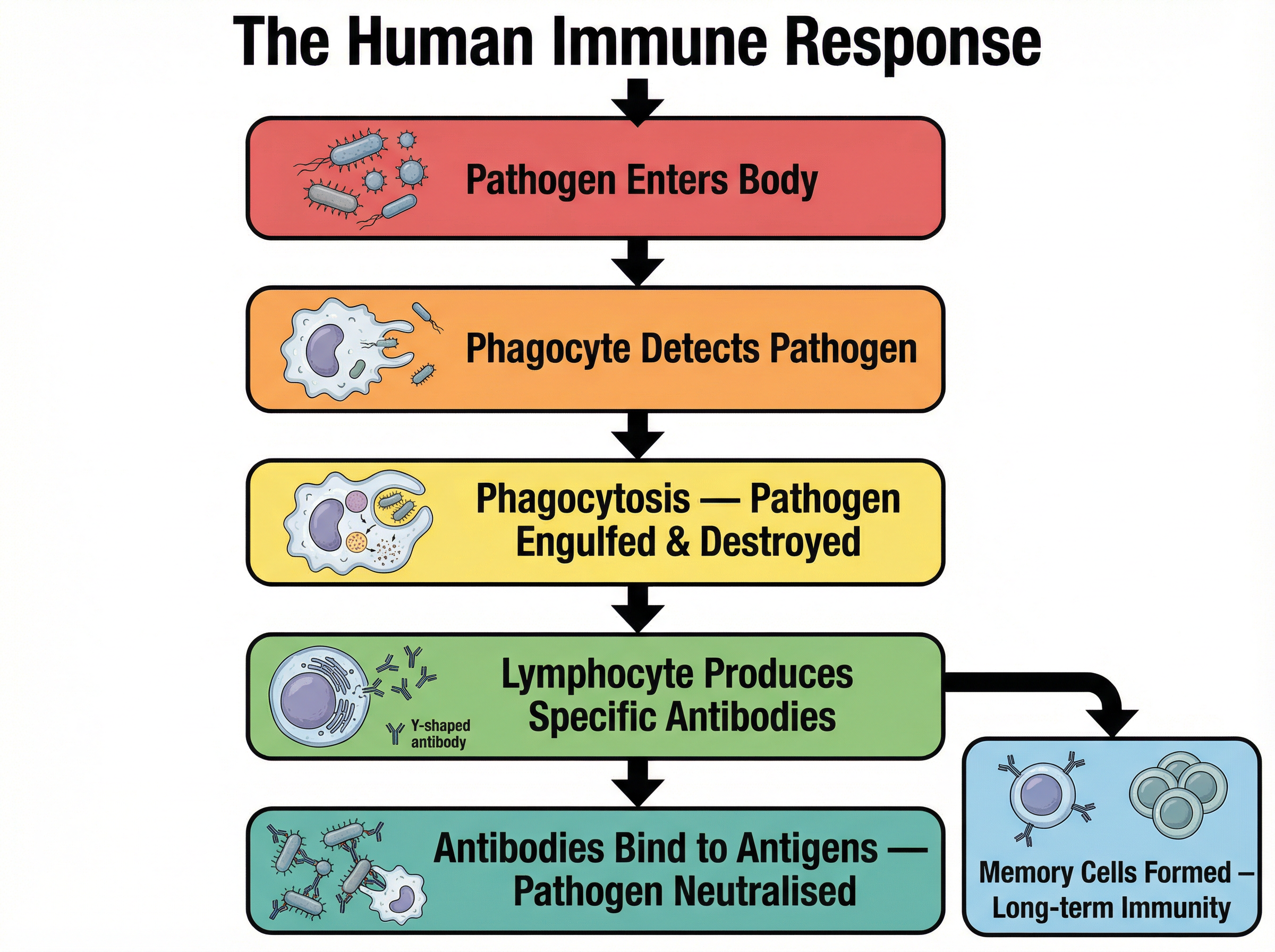
When a pathogen breaches your body's non-specific defences (like the skin, stomach acid, and mucus in the trachea), your immune system takes over. The primary defenders are your white blood cells, which employ three distinct strategies to protect you.
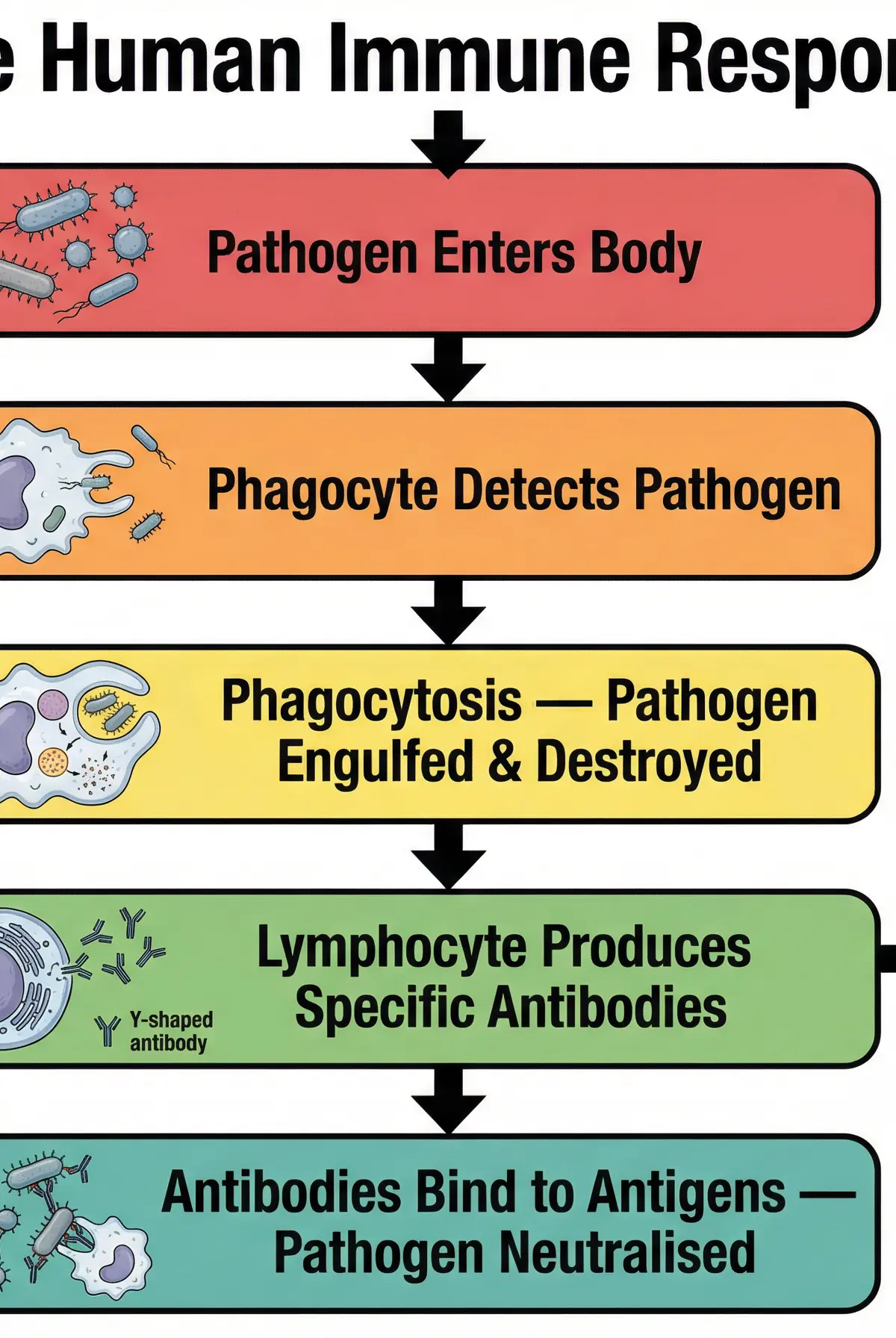
- Phagocytosis: Certain white blood cells called phagocytes detect the presence of pathogens. They move towards the pathogen, engulf it, and then use digestive enzymes to destroy it. This is a non-specific response; phagocytes will attack any foreign invader.
- Antibody Production: Lymphocytes are a different type of white blood cell that produce proteins called antibodies. Every pathogen has unique markers on its surface called antigens. Lymphocytes produce specific antibodies that bind perfectly to these antigens, much like a key fits into a lock. Once bound, the antibodies can neutralise the pathogen or clump them together so phagocytes can easily engulf them. This is a specific response.
- Antitoxin Production: Some lymphocytes produce antitoxins. These are specialised proteins that bind to and neutralise the harmful toxins produced by bacteria.
Concept 3: Vaccination and Immunity
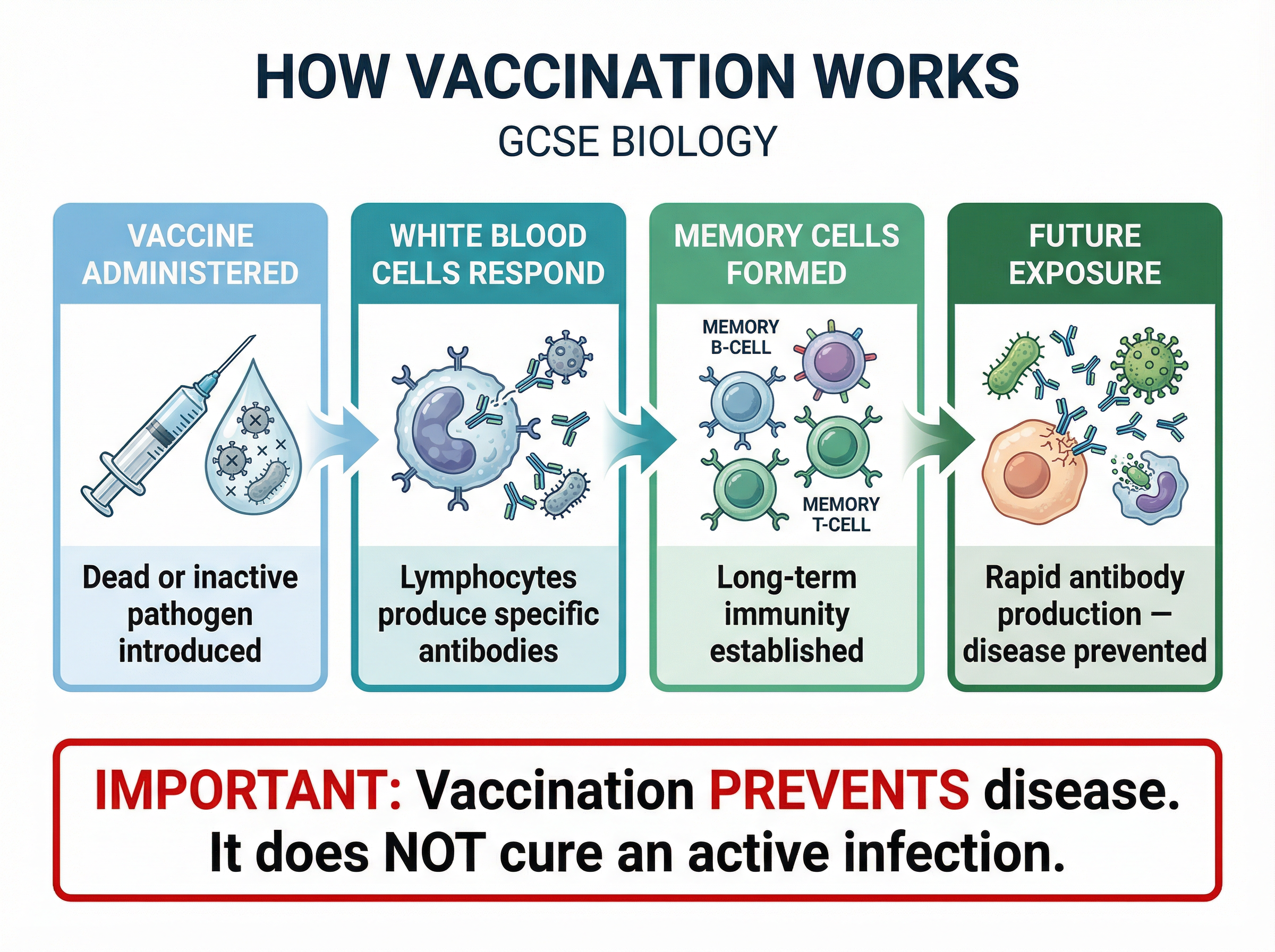
Vaccination is a brilliant application of our understanding of the immune system. It involves introducing small quantities of dead or inactive forms of a pathogen into the body.
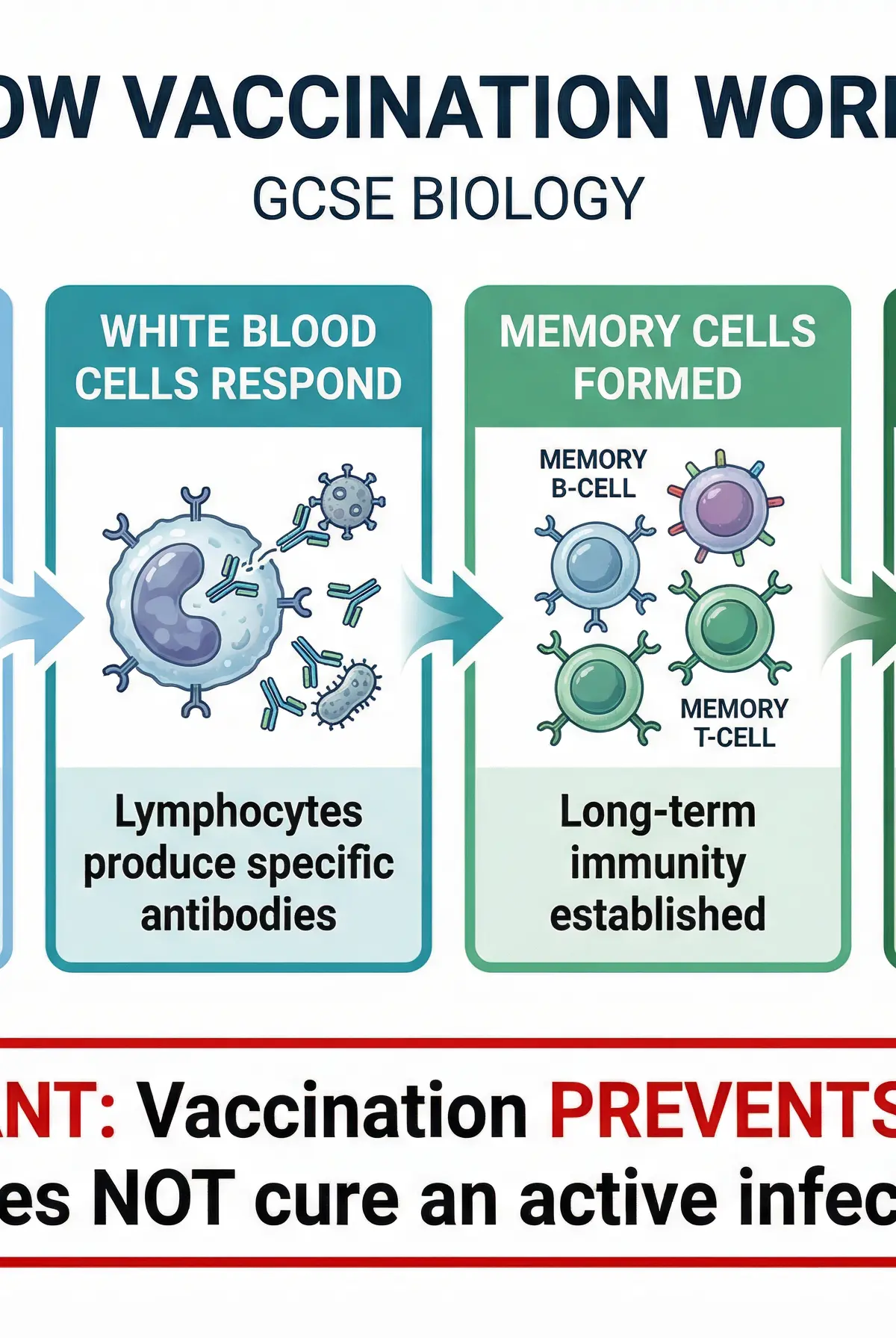
Even though the pathogen is inactive, its surface antigens are still present. This stimulates the white blood cells (lymphocytes) to produce the specific antibodies needed to target that pathogen. Crucially, some of these lymphocytes remain in the blood as memory cells.
If the same, live pathogen enters the body in the future, these memory cells recognise it immediately. They rapidly produce a massive quantity of the specific antibodies, destroying the pathogen before it can reproduce and cause illness. This rapid response is the basis of immunity.
Important Note: A vaccine prevents disease; it does not cure an active infection. You cannot treat someone who already has measles by giving them the measles vaccine.
Concept 4: Antibiotics and Painkillers
Understanding the difference between treating the symptoms of a disease and treating the cause is a frequent exam requirement.
Painkillers (like paracetamol or aspirin) are medicines used to treat the symptoms of disease. They relieve pain and reduce inflammation, making you feel more comfortable. However, they do absolutely nothing to kill the pathogens causing the disease. Your immune system still has to do all the work to clear the infection.
Antibiotics (like penicillin) are medicines that help to cure bacterial disease by killing infective bacteria inside the body. They work by targeting specific structures or processes in bacterial cells—such as disrupting the formation of their cell walls. Because human cells do not have these structures, the antibiotics destroy the bacteria without harming your own tissues.
The Viral Problem: Antibiotics cannot kill viral pathogens. Viruses live and reproduce inside your host cells. It is exceptionally difficult to develop drugs that kill viruses without also damaging the body's tissues. This is why you cannot take antibiotics for a cold or the flu.
Concept 5: Discovery and Development of Drugs
Historically, drugs were extracted from plants and microorganisms. For example, the heart drug digitalis originates from foxgloves, the painkiller aspirin originates from willow, and penicillin was discovered by Alexander Fleming from the Penicillium mould.
Today, most new drugs are synthesised by chemists in the pharmaceutical industry. However, the starting point may still be a chemical extracted from a plant. Before any new drug can be given to patients, it must undergo rigorous testing to ensure it is safe and effective. The testing process has three main criteria:
- Toxicity: Is the drug safe? Does it have harmful side effects?
- Efficacy: Does the drug work? Does it treat the disease or relieve the symptoms?
- Dose: What is the optimum amount to give? What concentration is effective without being toxic?
The testing process occurs in stages:
- Preclinical Testing: This takes place in a laboratory. The drug is tested on cells, tissues, and live animals. This is essential to check for toxicity before any humans are exposed to the chemical.
- Clinical Trials: These involve testing on humans. They begin with very low doses given to healthy volunteers to ensure the drug is safe and to monitor for side effects. If the drug is safe, further clinical trials are carried out on patients who have the disease to find the optimum dose and test efficacy.
Clinical trials often use a double-blind method. Patients are randomly divided into two groups. One group receives the new drug, while the other group receives a placebo (a dummy drug that looks identical but contains no active ingredient). In a double-blind trial, neither the patients nor the doctors know who is receiving the real drug until the trial is complete. This removes bias, ensuring that any reported improvements are due to the drug itself and not the psychological effect of receiving treatment.
Mathematical/Scientific Relationships
While this topic is heavily conceptual, you may be asked to calculate the zone of inhibition in practical questions regarding antibiotics or antiseptics.
The zone of inhibition is the clear area around a disc of antibiotic where bacteria have not grown on an agar plate. To compare the effectiveness of different antibiotics, you calculate the area of this zone using the formula for the area of a circle:
Area = \pi r^2
- \pi: Pi (approximately 3.14)
- r: The radius of the clear zone (measure the diameter with a ruler and divide by 2)
Note: This formula is not given on the biology formula sheet; you must memorise it.
Visual Resources
3 diagrams and illustrations
Interactive Diagrams
2 interactive diagrams to visualise key concepts
Conceptual Flow Outline
Flowchart showing the body's lines of defence against pathogens.
Conceptual Flow Outline
The stages of drug development and clinical trials.
Worked Examples
3 worked examples — open one to explore the question and available guidance.
Practice Questions
Test your understanding — click to reveal model answers
Describe the difference between how a vaccine works and how an antibiotic works. (3 marks)
Hint: Think about prevention vs. treatment, and what exactly each substance targets.
A student investigated the effectiveness of three different antiseptics (A, B, and C) on the growth of bacteria on an agar plate. The radius of the clear zone around antiseptic B was 12 mm. Calculate the area of the zone of inhibition for antiseptic B. Give your answer to 3 significant figures. (3 marks)
Hint: Use the formula for the area of a circle. Pay attention to the rounding instruction.
Explain why it is difficult to develop drugs that kill viruses without damaging the body's tissues. (2 marks)
Hint: Where do viruses live when they are inside your body?
Some people refuse to have their children vaccinated against measles. Evaluate the use of vaccines to protect the population from diseases like measles. (4 marks)
Hint: Evaluate means give pros and cons. Think about the individual and the wider population (herd immunity).
Describe the process of phagocytosis. (3 marks)
Hint: What type of cell does this? How does it move? What does it do to the pathogen?