OCR · GCSE · Biology
Topic B1: Cell level systems
Master the fundamental building blocks of life with this comprehensive guide to Cell Level Systems. Learn how cells are structured, how they function, and the vital processes of photosynthesis and respiration that sustain all living things.
- 7 min read
- 3 worked examples
- 5 practice questions
- 6 key terms
Study Notes
Overview
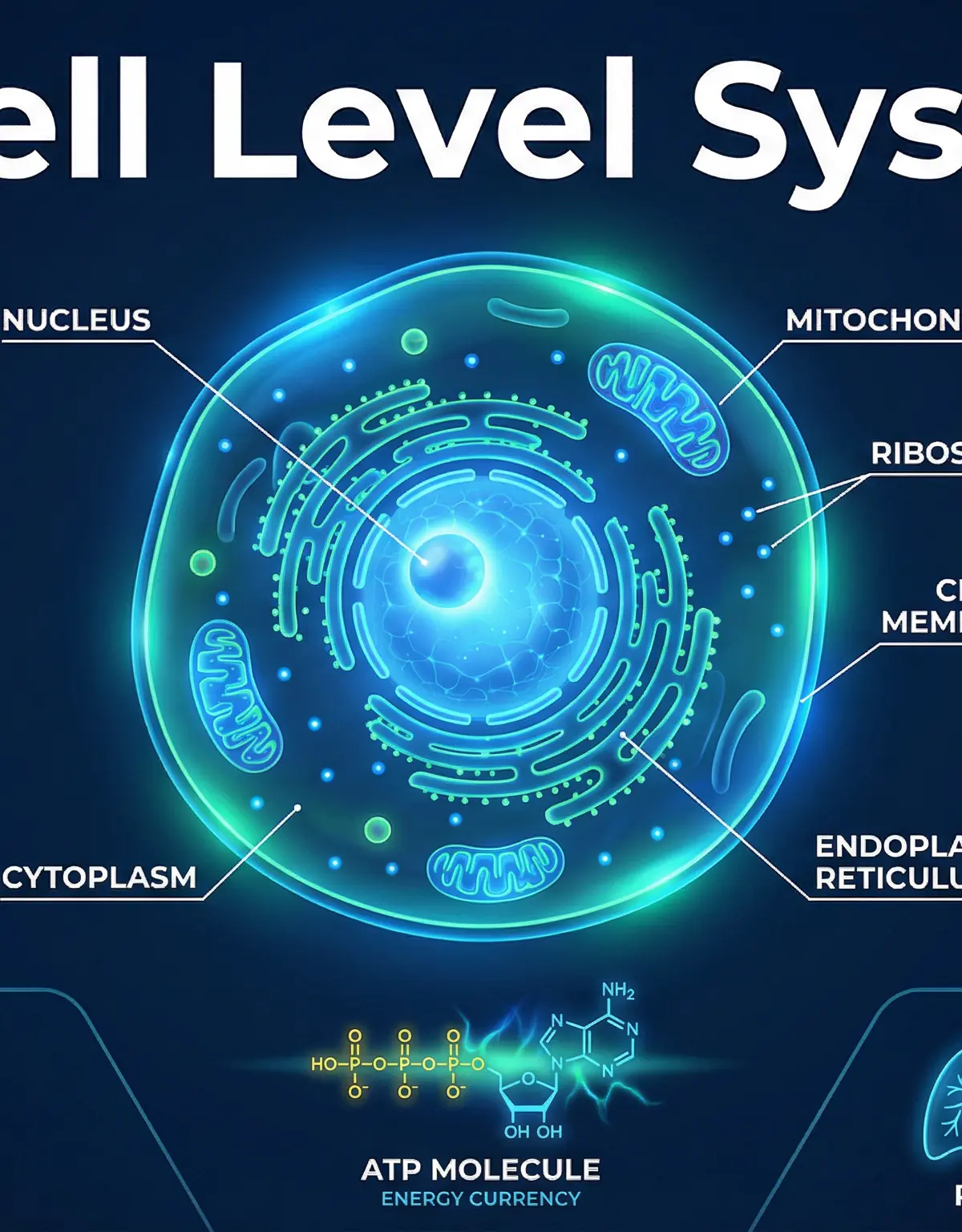
Topic B1: Cell Level Systems is the foundation of your entire GCSE Biology course. It explores the microscopic world of cells, the basic units of all living organisms. Understanding cell structure and function is crucial because it underpins almost every other biological concept you will study, from human physiology to ecology.
Examiners frequently test this topic through a mix of short recall questions (e.g., identifying organelles), calculation questions (e.g., magnification), and extended response questions (e.g., comparing cell types or explaining limiting factors in photosynthesis). Mastering this topic guarantees you can pick up marks across multiple papers.
Listen to our revision podcast to reinforce your learning:
Key Concepts
Concept 1: Cell Structure
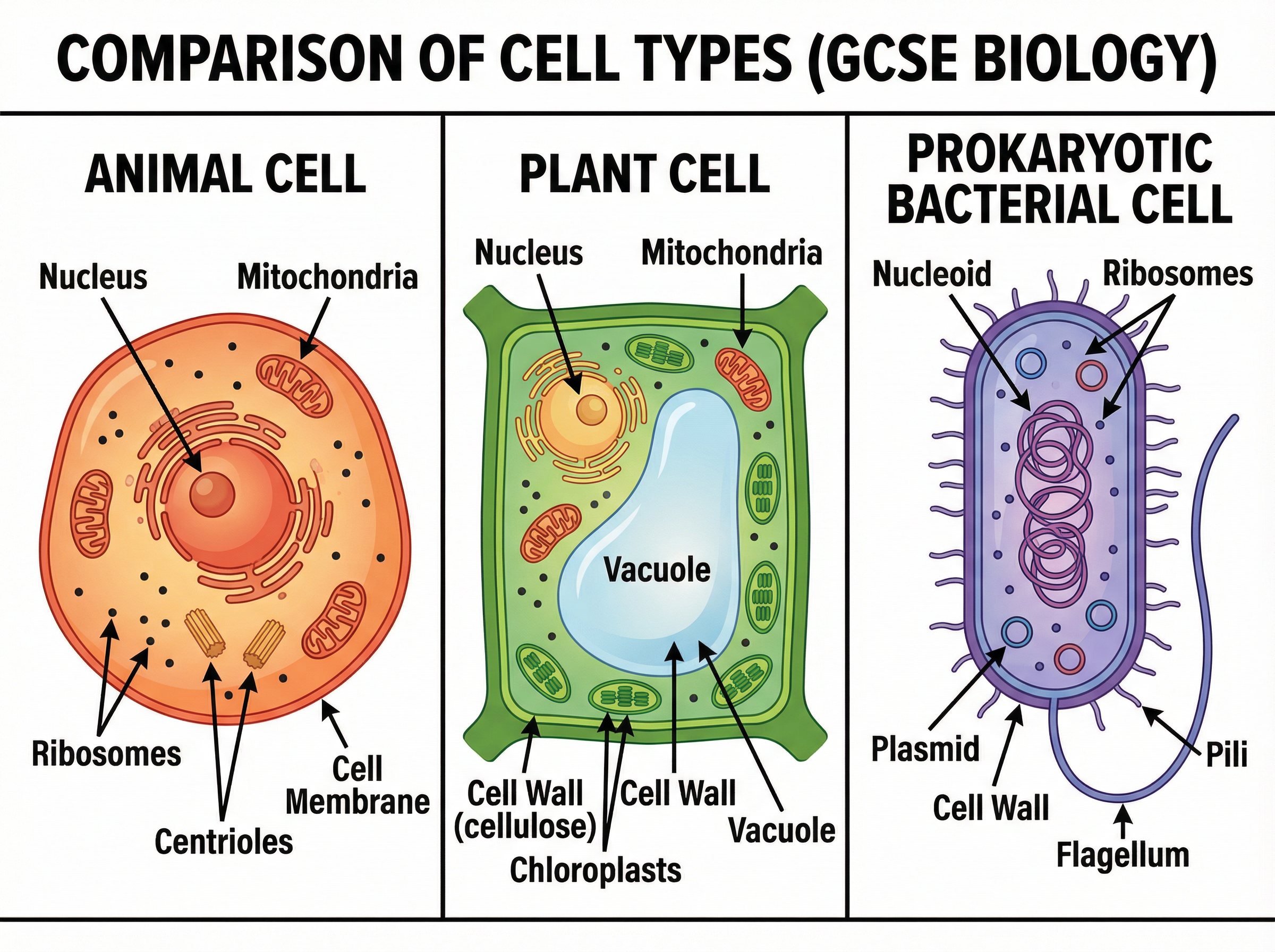
All living organisms are made of cells, but not all cells are the same. You must be able to distinguish between eukaryotic cells (animal and plant cells) and prokaryotic cells (bacteria).
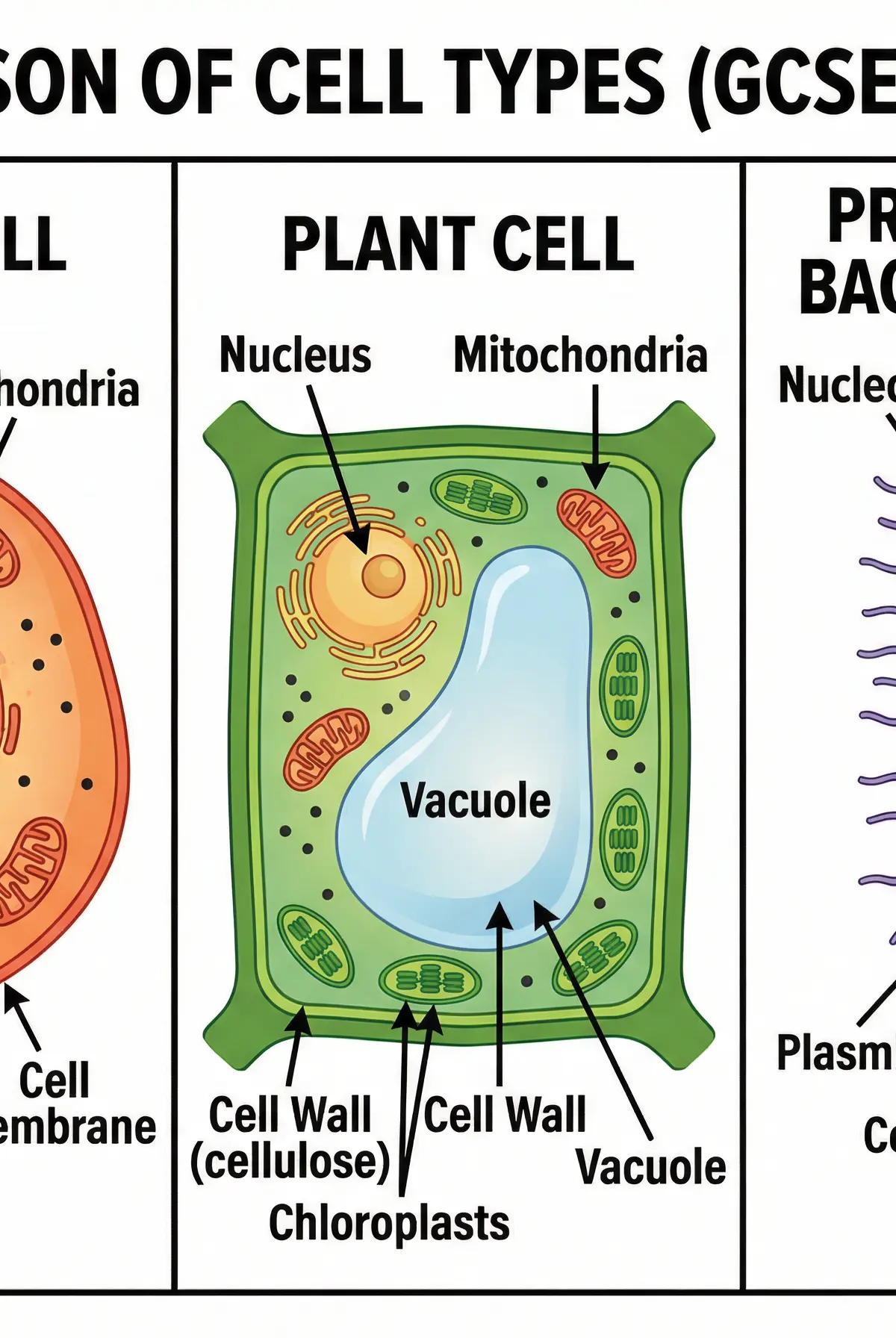
Eukaryotic Cells are complex and contain a nucleus where the genetic material (DNA) is stored.
- Animal cells contain a nucleus, cytoplasm (where most chemical reactions occur), a cell membrane (controls what enters and leaves), mitochondria (site of aerobic respiration), and ribosomes (site of protein synthesis).
- Plant cells contain all the structures found in animal cells, plus three additional features: a rigid cell wall made of cellulose for support, a permanent vacuole filled with cell sap to keep the cell turgid, and chloroplasts which contain chlorophyll for photosynthesis.
Prokaryotic Cells are much smaller and simpler. They do not have a nucleus. Instead, their genetic material is a single circular strand of DNA floating freely in the cytoplasm. They may also contain small rings of DNA called plasmids. While they have a cell wall, it is not made of cellulose.
Example: If asked to compare a bacterial cell and a plant cell for 3 marks, you might write: "Both contain a cell membrane and cytoplasm (1 mark). However, a plant cell has its DNA enclosed in a nucleus, whereas a bacterial cell's DNA is free in the cytoplasm (1 mark). Additionally, plant cells have chloroplasts for photosynthesis, which bacterial cells lack (1 mark)."
Concept 2: Microscopy
Microscopes allow us to see cells and their sub-cellular structures. You need to understand the difference between light and electron microscopes.
- Light microscopes use light and lenses to form an image. They can magnify up to about x2000 and have a lower resolution. They are useful for viewing whole cells and large organelles like the nucleus.
- Electron microscopes use a beam of electrons. They have a much higher magnification (up to x2,000,000) and a much higher resolution (ability to distinguish between two close points). This allows us to see smaller structures in detail, such as ribosomes and the internal structure of mitochondria.
Concept 3: Enzymes
Enzymes are biological catalysts made of protein. They speed up the rate of chemical reactions in living organisms without being used up.
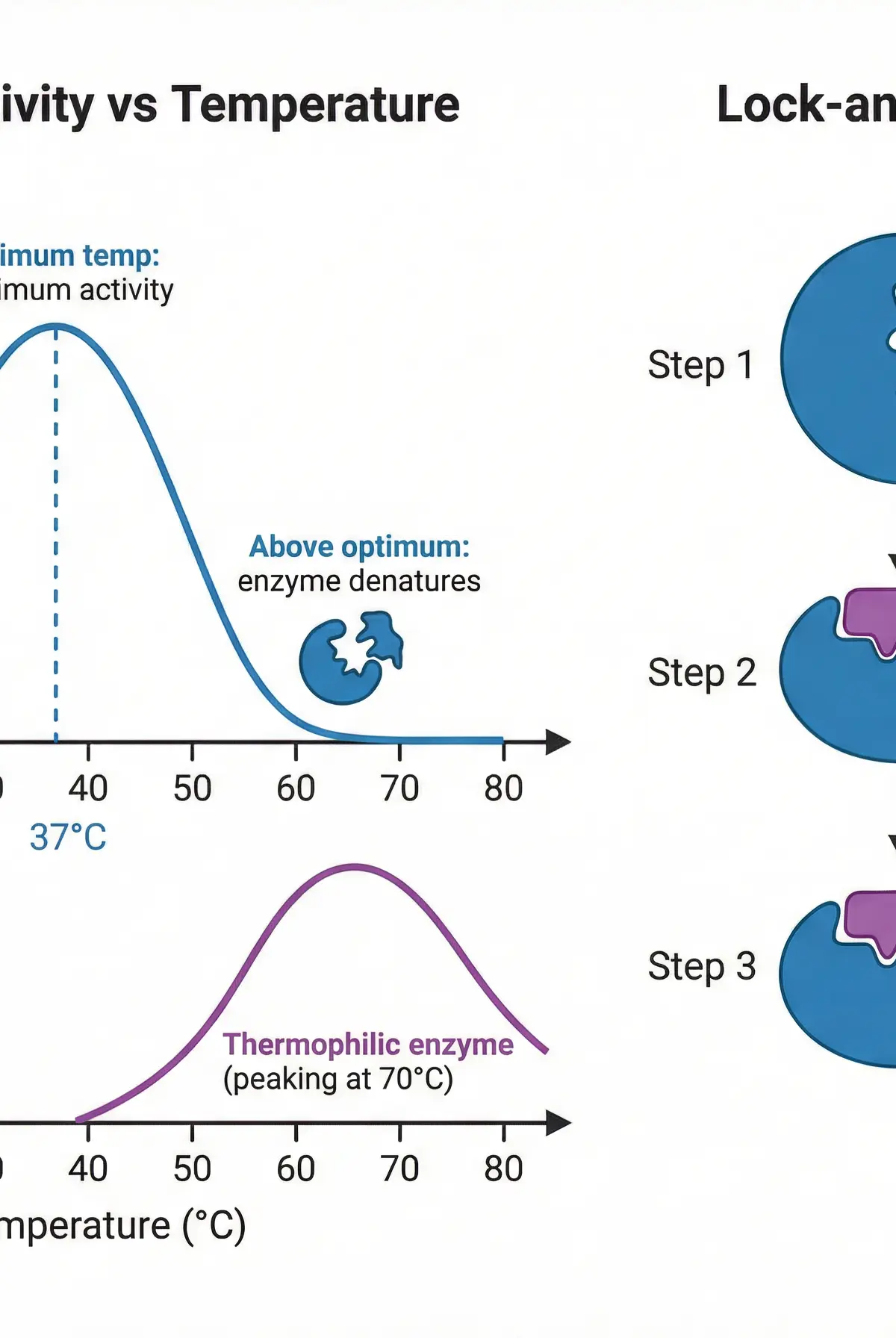
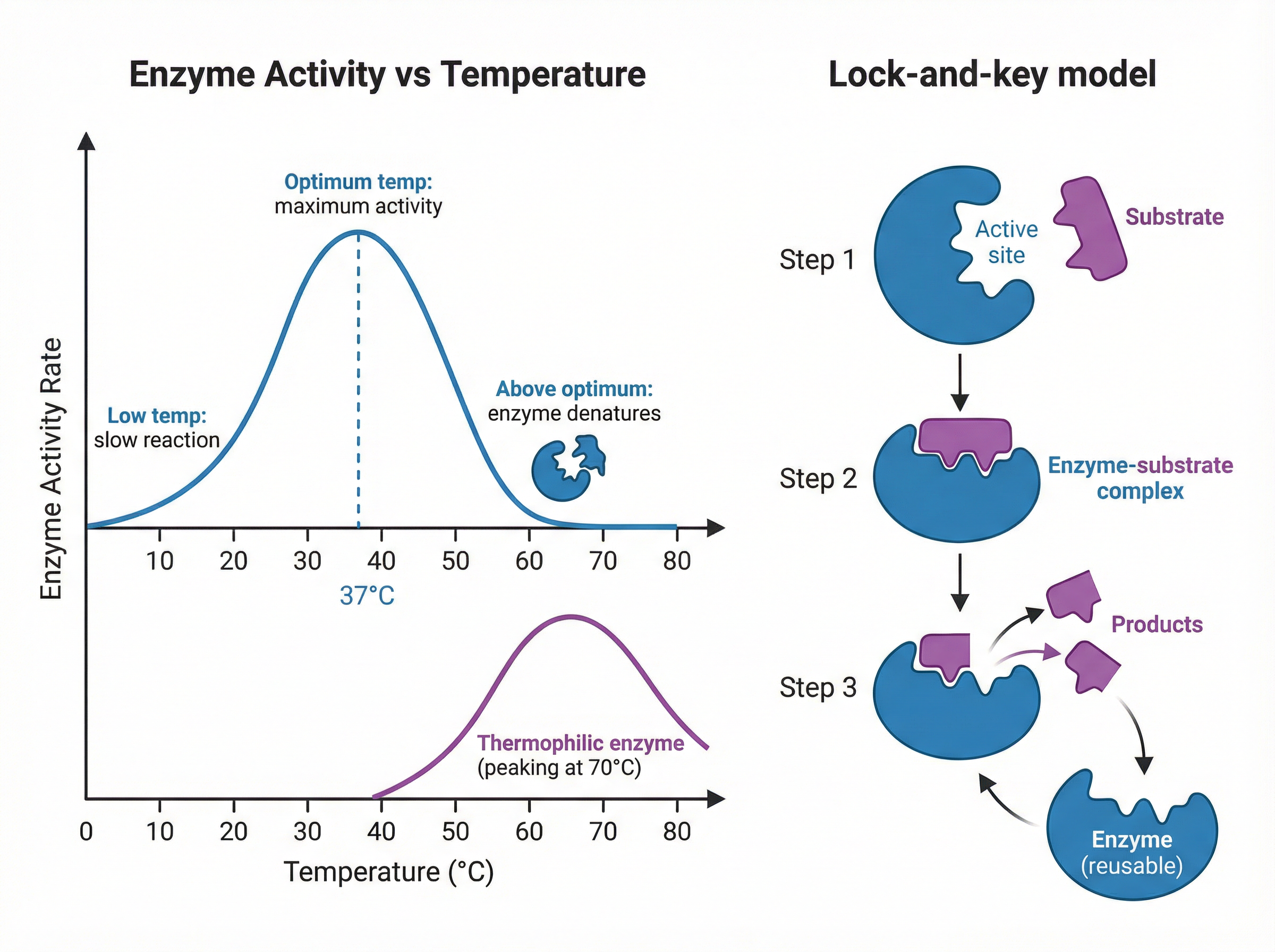
The mechanism of enzyme action is explained by the lock and key theory. The chemical that reacts is the substrate. It fits perfectly into a specific region on the enzyme called the active site, forming an enzyme-substrate complex. The reaction occurs, products are released, and the enzyme is free to be reused.
Enzyme activity is heavily influenced by temperature and pH.
- Temperature: As temperature increases, the rate of reaction increases due to more kinetic energy and more frequent successful collisions. However, if the temperature exceeds the optimum (the temperature at which the enzyme works best), the bonds holding the enzyme together break. The active site changes shape, and the substrate can no longer fit. The enzyme is denatured.
- pH: Each enzyme has an optimum pH. If the pH is too high or too low, it interferes with the bonds in the enzyme, changing the shape of the active site and denaturing the enzyme.
Concept 4: Photosynthesis and Respiration
These two vital processes are often tested together as they are essentially reverse reactions.
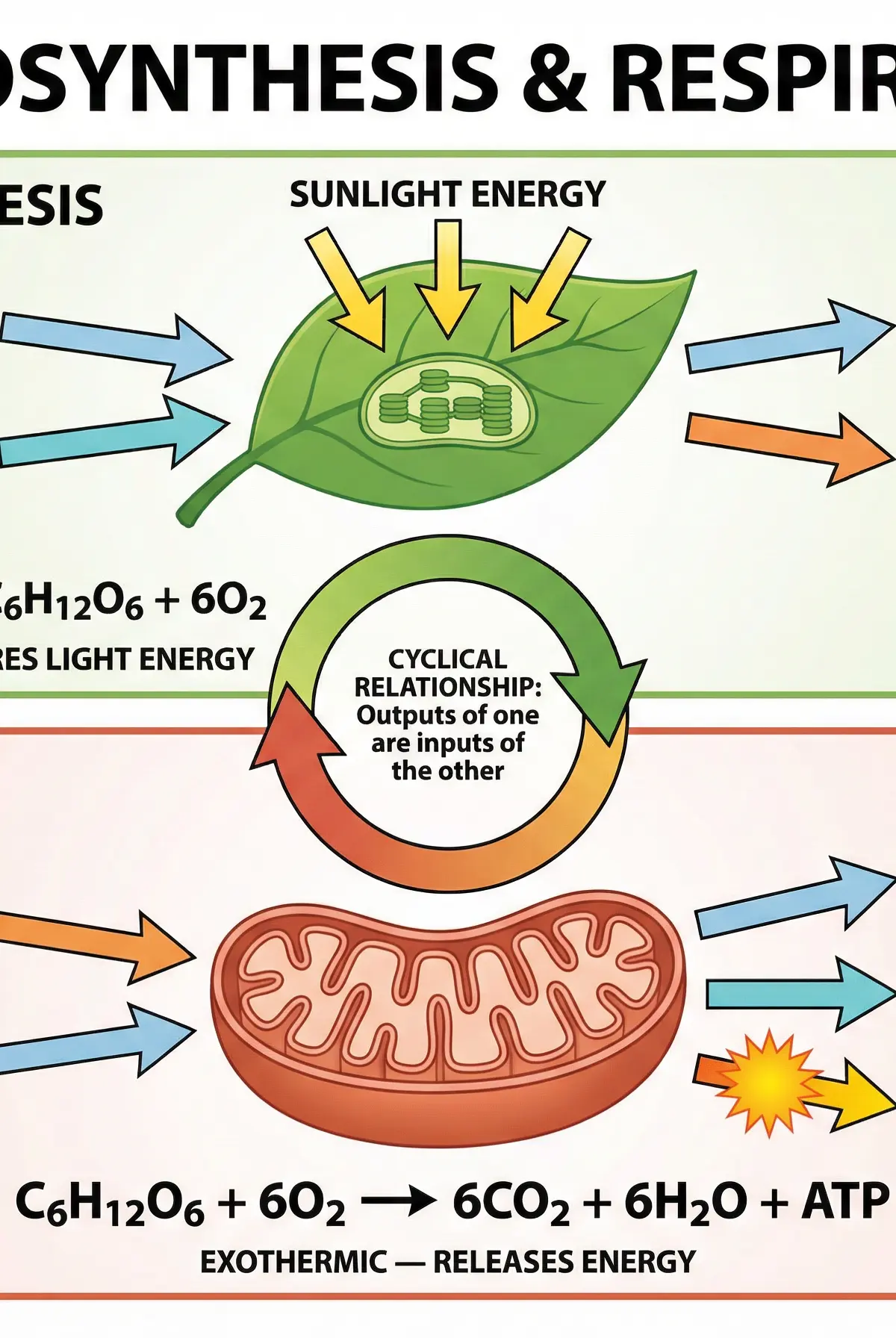
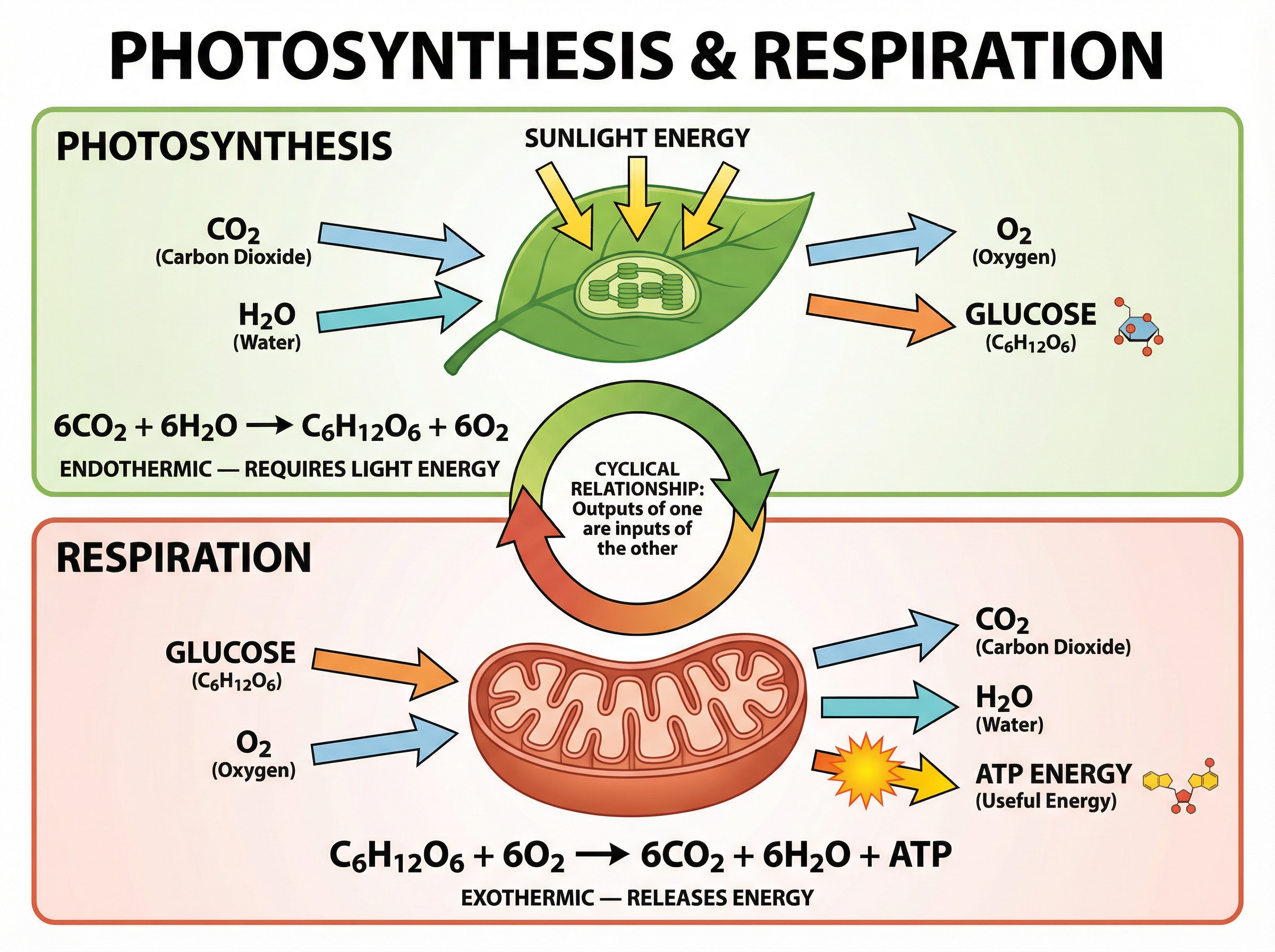
Photosynthesis is the process by which plants make their own food (glucose). It is an endothermic reaction, meaning it takes in energy from the environment (sunlight absorbed by chlorophyll in chloroplasts).
Respiration is the process of releasing energy from glucose. It occurs continuously in all living cells. It is an exothermic reaction, meaning it releases energy to the environment.
- Aerobic respiration requires oxygen and yields a large amount of energy. It occurs in the mitochondria.
- Anaerobic respiration occurs without oxygen. In animals, it produces lactic acid and yields much less energy. In plants and yeast, it produces ethanol and carbon dioxide (fermentation).
Mathematical/Scientific Relationships
Magnification Formula
Magnification = Image Size ÷ Actual Size
- Magnification: How many times larger the image is than the real object (no units, often written with a 'x' e.g., x500).
- Image Size: The size of the object as it appears in the drawing or photograph (usually measured in mm).
- Actual Size: The real size of the object (usually measured in micrometres, μm).
Note: You must ensure the Image Size and Actual Size are in the same units before calculating. 1 millimetre (mm) = 1000 micrometres (μm).
This formula must be memorised; it is not provided in the exam.
Inverse Square Law (Light Intensity)
Light Intensity ∝ 1 / distance²
- This means that as the distance from a light source doubles, the light intensity falls by a factor of four (2² = 4). This is crucial when investigating limiting factors of photosynthesis.
Practical Applications
Required Practical: Investigating the effect of light intensity on the rate of photosynthesis
This practical usually involves observing pondweed (like Cabomba or Elodea) placed in a solution of sodium hydrogen carbonate (to provide a constant source of CO2).
- Place a light source at a specific distance (e.g., 10 cm) from the pondweed.
- Allow the plant to acclimatise for a few minutes.
- Count the number of oxygen bubbles produced in one minute (or use a gas syringe to measure the volume of oxygen for a more accurate result).
- Repeat the measurement at this distance to calculate a mean.
- Move the light source to different distances (e.g., 20 cm, 30 cm, 40 cm) and repeat the process.
Examiner Tip: A common question asks how to improve the accuracy of this experiment. Counting bubbles is subjective and bubbles vary in size. Collecting the gas in an inverted measuring cylinder or gas syringe to measure the volume is a much better method.
Visual Resources
3 diagrams and illustrations
Interactive Diagrams
2 interactive diagrams to visualise key concepts
Conceptual Flow Outline
Flowchart showing the sequence of events in the Lock and Key model of enzyme action.
Conceptual Flow Outline
Concept map showing the cyclical relationship between photosynthesis and aerobic respiration.
Worked Examples
3 worked examples — open one to explore the question and available guidance.
Practice Questions
Test your understanding — click to reveal model answers
State the function of ribosomes in a cell. (1 mark)
Hint: Think about what important biological molecules are built here.
A student measures the length of a bacterial cell on an electron micrograph as 45 mm. The magnification of the micrograph is x30,000. Calculate the actual length of the bacterial cell in micrometres (μm). Show your working. (3 marks)
Hint: Use the formula Actual Size = Image Size / Magnification. Remember to convert mm to μm.
Explain how the structure of an enzyme is related to its function. (3 marks)
Hint: Mention the specific 3D shape and what it binds to.
A student investigated the effect of light intensity on the rate of photosynthesis in pondweed. Describe how the student could measure the rate of photosynthesis accurately. (3 marks)
Hint: Think about what gas is produced and the best way to measure its quantity over time.
Yeast cells can respire both aerobically and anaerobically. Compare the processes of aerobic and anaerobic respiration in yeast. (4 marks)
Hint: Think about the need for oxygen, the products formed, and the amount of energy released.