Eduqas · GCSE · Biology
Communicable disease
Master the microscopic world of pathogens and the body's incredible defence systems. This topic is heavily tested in exams, especially the differences between antibiotics and vaccines, and the distinction between phagocytes and lymphocytes.
- 7 min read
- 3 worked examples
- 5 practice questions
- 6 key terms
Study Notes
Overview
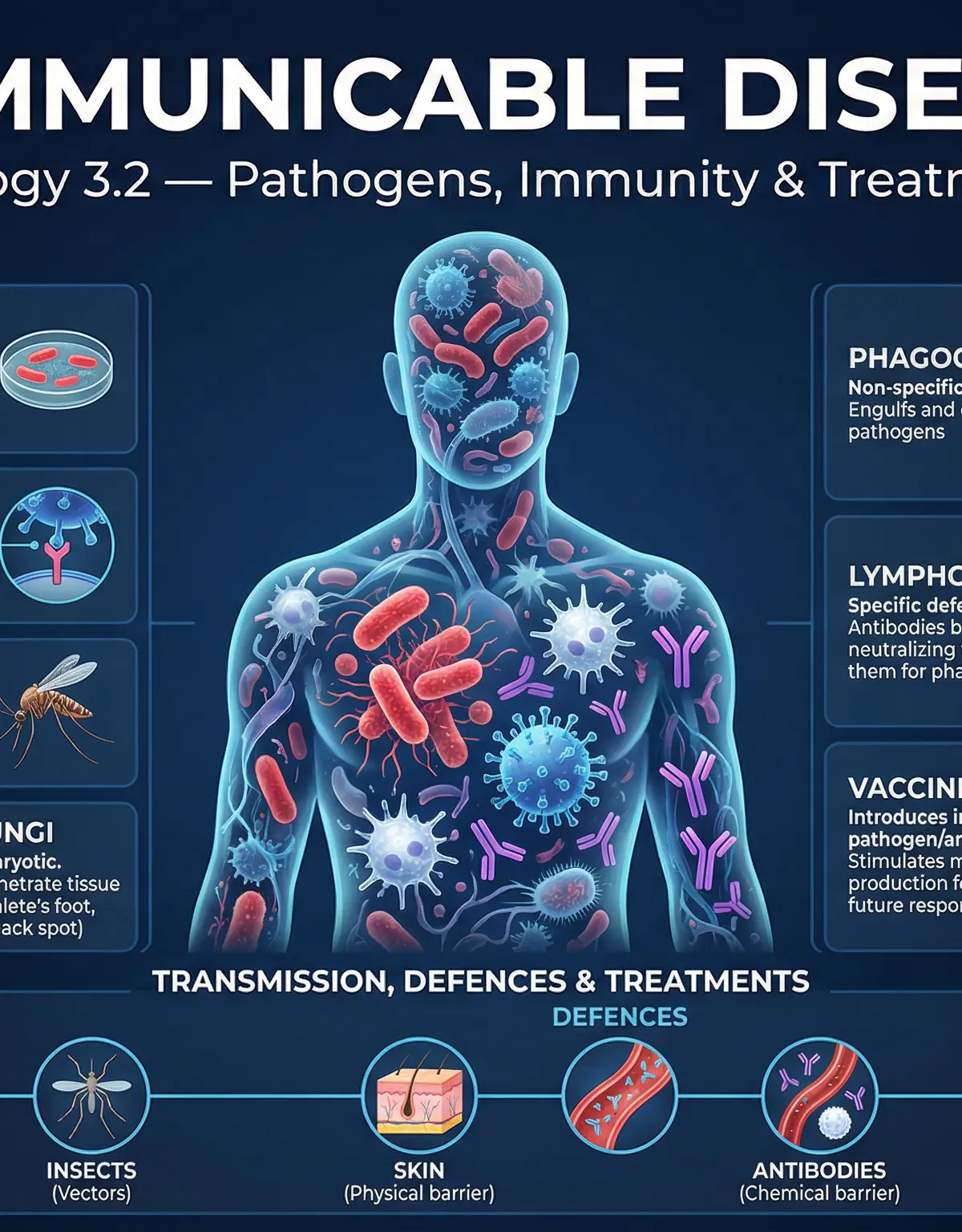
Welcome to Communicable Disease (Biology 3.2). This topic explores the invisible war happening inside your body every day. A communicable disease is simply an illness that can be transferred from one organism to another, caused by microorganisms known as pathogens.
Understanding this topic is crucial because it forms the foundation of modern medicine. You will learn why antibiotics are prescribed for a bacterial throat infection but are completely useless against a viral cold. You will also discover how vaccines have eradicated deadly diseases and how scientists develop new life-saving drugs.
Examiners love this topic because it links heavily with cell biology (Topic 1) and organisation (Topic 2). Exam questions frequently test your ability to distinguish between different types of pathogens and your understanding of the specific roles of different white blood cells. Let's dive in.
Key Concepts
Concept 1: Types of Pathogen
Pathogens are microorganisms that cause infectious disease. There are four main types you must know: bacteria, viruses, protists, and fungi.
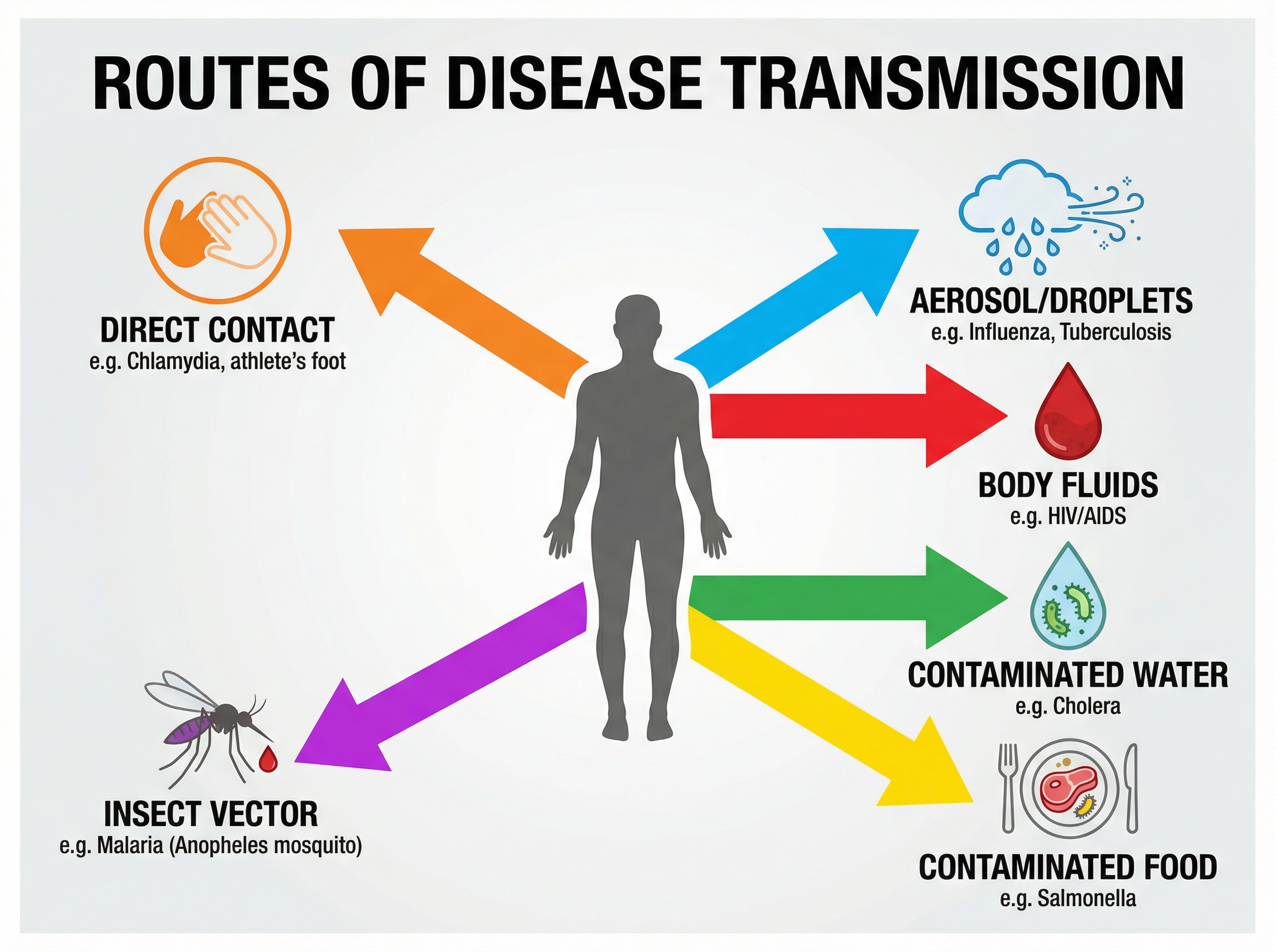
Bacteria are prokaryotic cells. Once inside your body, they reproduce rapidly by binary fission. They make you feel ill by producing toxins (poisons) that damage your cells and tissues. Examples include Salmonella (food poisoning) and gonorrhoea (a sexually transmitted disease).
Viruses are significantly smaller than bacteria and are not considered living organisms. They cannot reproduce on their own. Instead, they invade your host cells, hijack the cell's machinery to make thousands of copies of themselves, and then cause the cell to burst, releasing the new viruses. This cell damage is what makes you feel ill. Examples include HIV, measles, and the tobacco mosaic virus in plants.
Protists are eukaryotic organisms. Some are parasitic, meaning they live on or inside a host and cause damage. The most important example for your exam is Plasmodium, which causes malaria. Malaria is spread by a vector (the female Anopheles mosquito) which transfers the protist into the human bloodstream during a bite.
Fungi can be single-celled or have a body made of thread-like structures called hyphae. These hyphae can grow and penetrate human skin or the surface of plants, causing diseases like athlete's foot or rose black spot.
Concept 2: Human Defence Systems
Your body has a remarkable two-tier defence system to protect you against these pathogens.
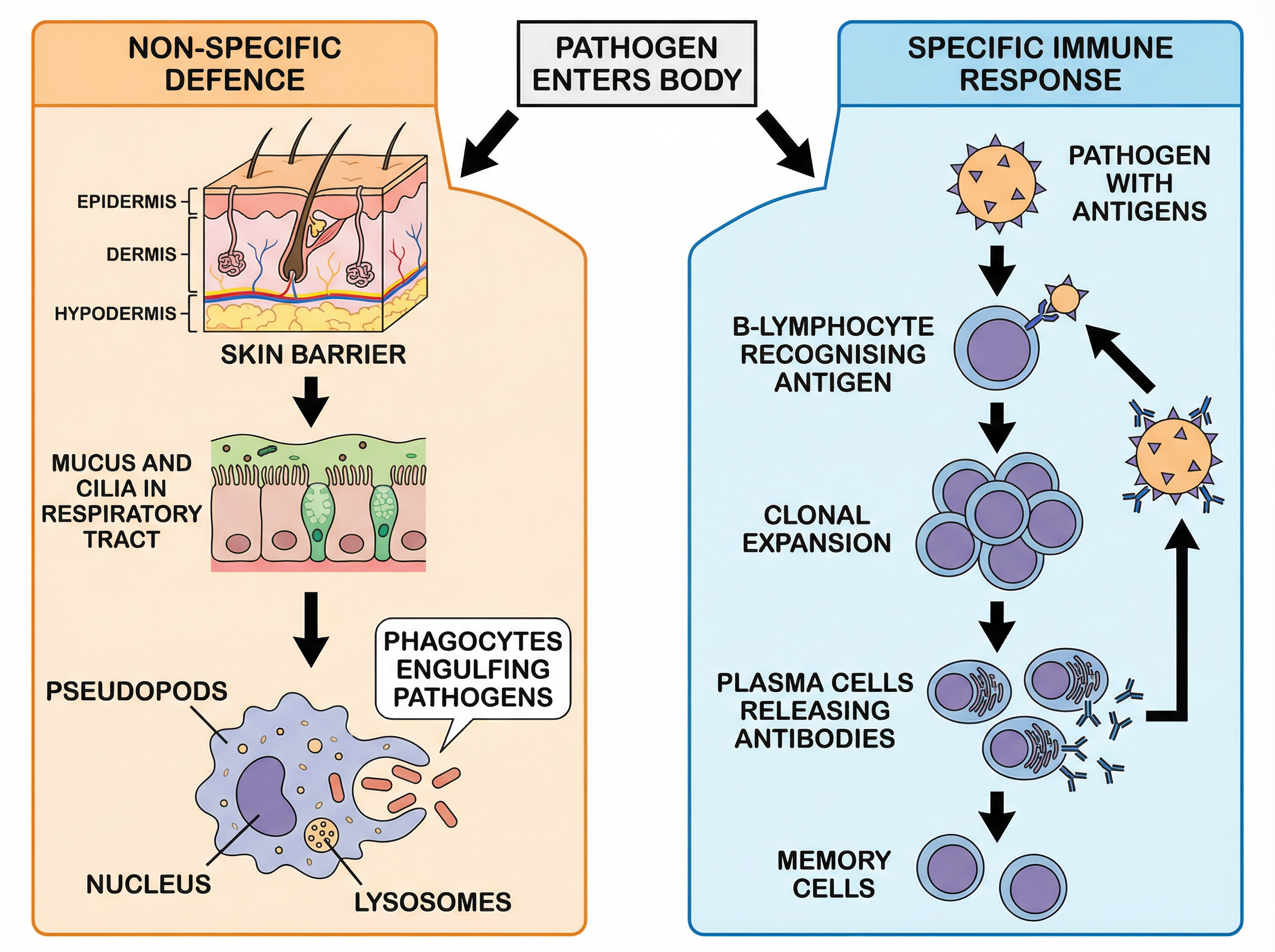
Non-Specific DefencesThese act as the first line of defence against any type of pathogen. They include:
- Skin: A physical barrier. If cut, platelets in the blood quickly form a scab to seal the wound.
- Respiratory Tract: The nose contains hairs and mucus to trap particles. The trachea and bronchi secrete mucus to trap pathogens, and are lined with cilia (hair-like structures) that waft the mucus up to the back of the throat where it can be swallowed.
- Stomach: Produces concentrated hydrochloric acid (pH 2) which destroys most pathogens present in food or swallowed mucus.
**The Immune System (Specific Defences)**If pathogens bypass the first line of defence, white blood cells take over. There are two key types:
- Phagocytes: These cells detect foreign bodies, engulf them, and digest them using powerful enzymes. This process is called phagocytosis. It is non-specific.
- Lymphocytes: These cells recognise specific antigens (protein markers) on the surface of pathogens. They respond by producing antibodies that lock onto the specific antigens, neutralising the pathogen or clumping them together for phagocytes to destroy. They also produce antitoxins to neutralise the toxins released by bacteria.

Concept 3: Vaccination
Vaccination is a method of conferring immunity without causing the disease. A vaccine contains a dead or inactive form of the pathogen.
When injected, the specific antigens on the inactive pathogen stimulate the white blood cells (lymphocytes) to produce specific antibodies. Crucially, some of these lymphocytes remain in the blood as memory cells.
If the same live pathogen enters the body in the future, the memory cells recognise the antigen immediately and produce a rapid, massive secondary antibody response. The pathogen is destroyed before it can cause illness.
Concept 4: Monoclonal Antibodies (Higher Tier)
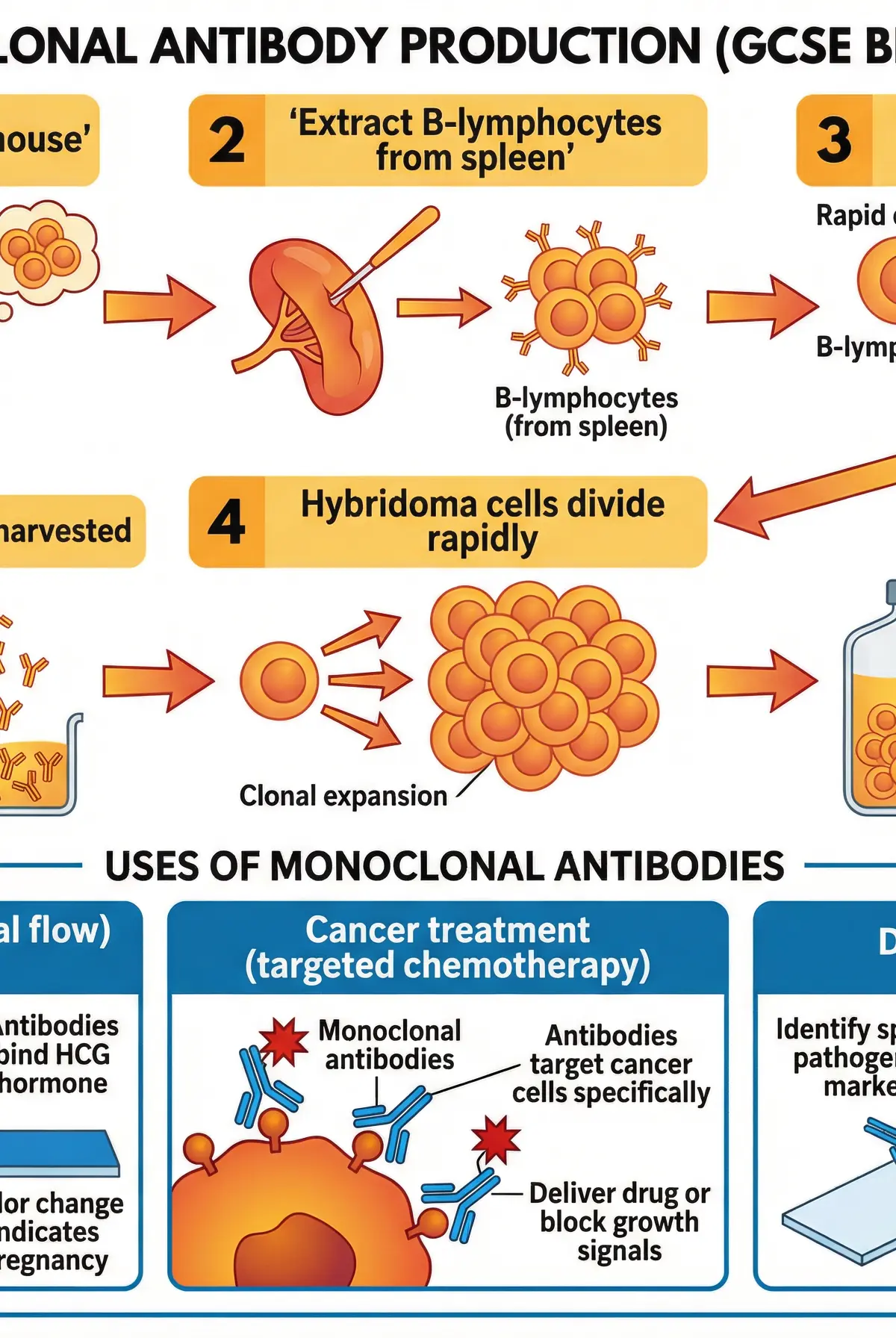
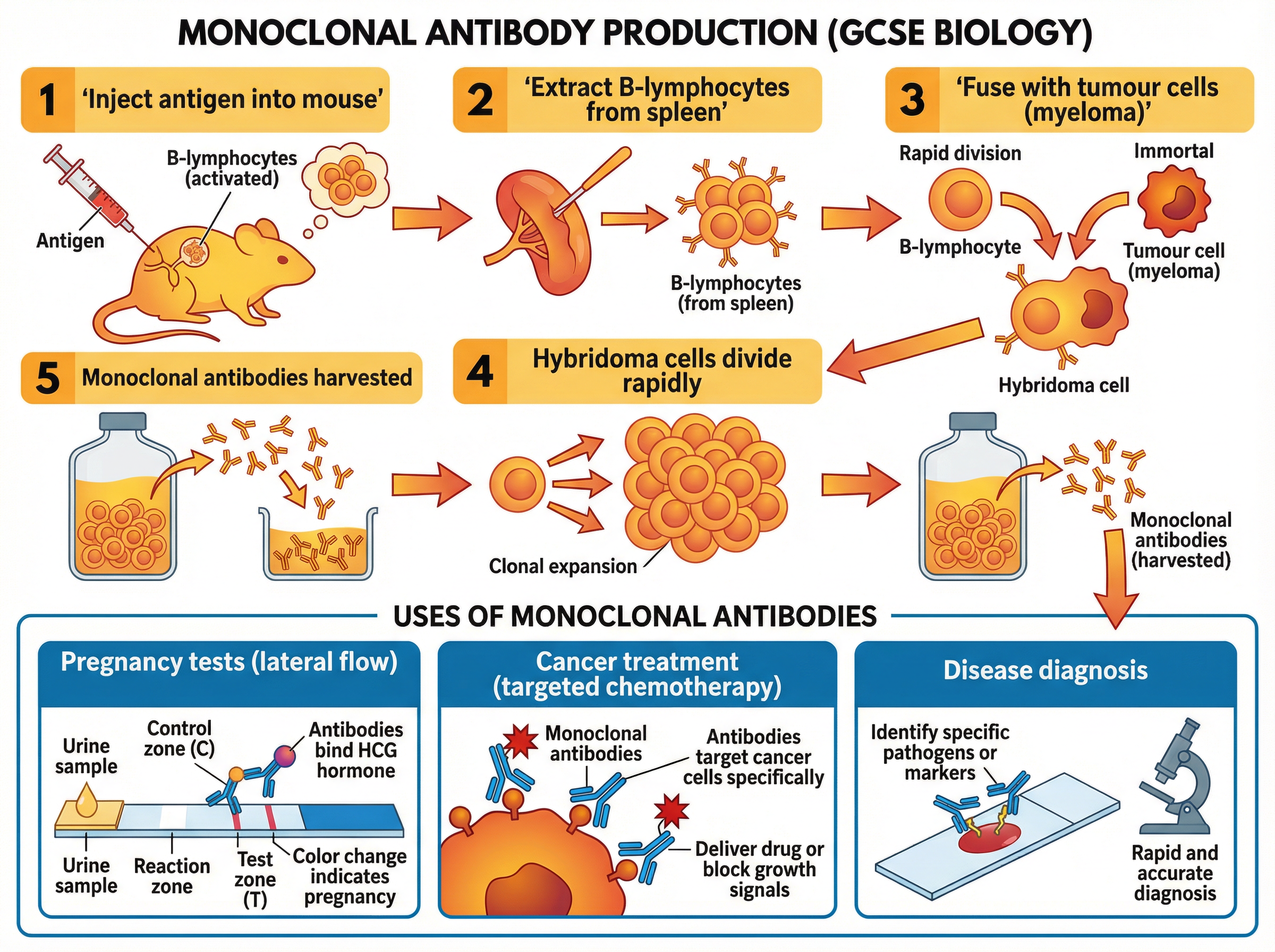
Monoclonal antibodies are identical antibodies produced from a single clone of cells. They are specific to one binding site on one protein antigen, meaning they can target a specific chemical or specific cells in the body.
They are produced by stimulating mouse lymphocytes to make a particular antibody. The lymphocytes are extracted and fused with a type of tumour cell to make a hybridoma cell. Tumour cells do not produce antibodies, but they divide very rapidly. The resulting hybridoma cell can both divide rapidly and produce the specific antibody. These cells are cloned, and the monoclonal antibodies are purified for use.
Uses include pregnancy tests (binding to HCG hormone), measuring hormone levels in blood, locating specific molecules in tissues using fluorescent dyes, and treating diseases like cancer by delivering toxic drugs directly to tumour cells.
Concept 5: Drug Development
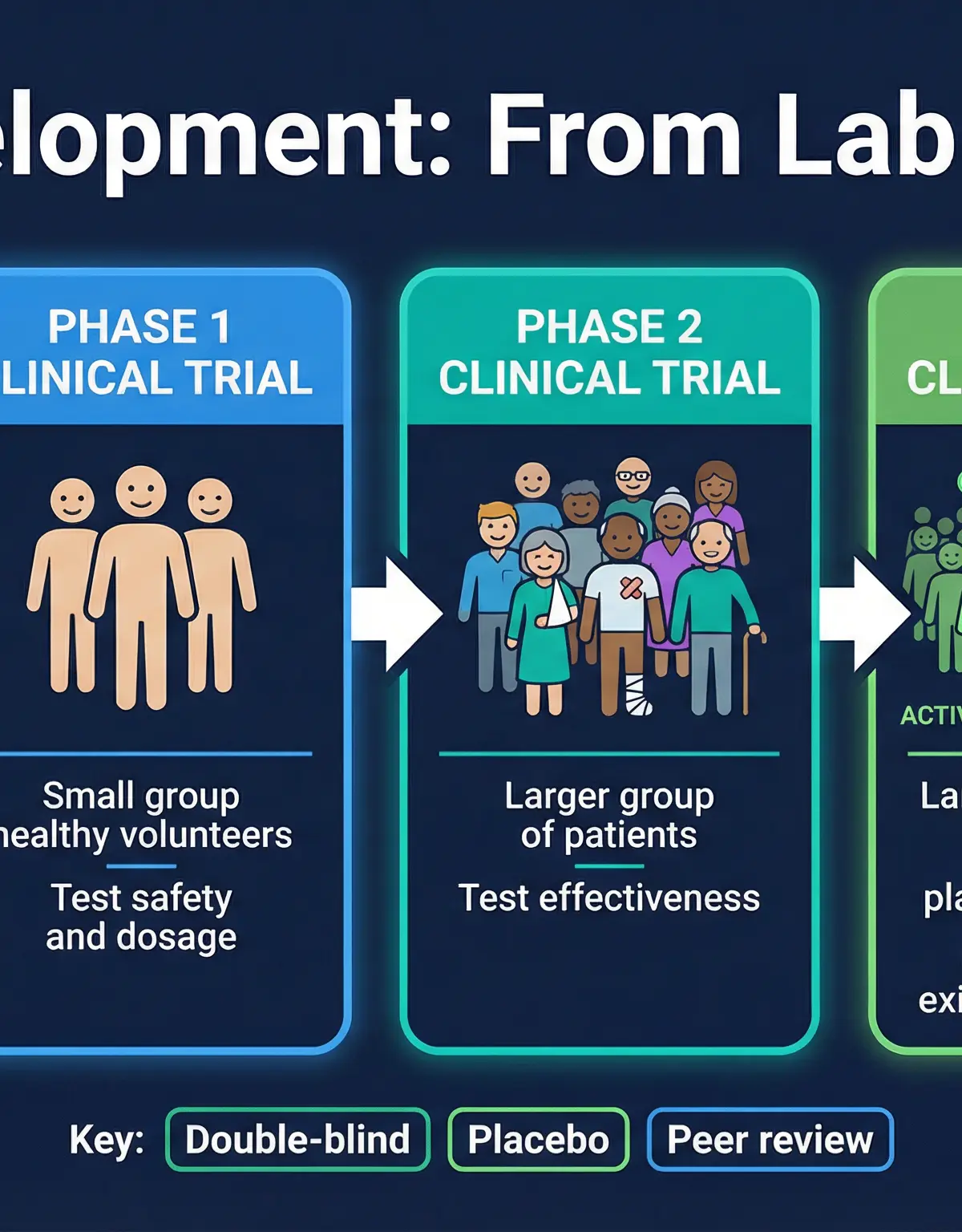
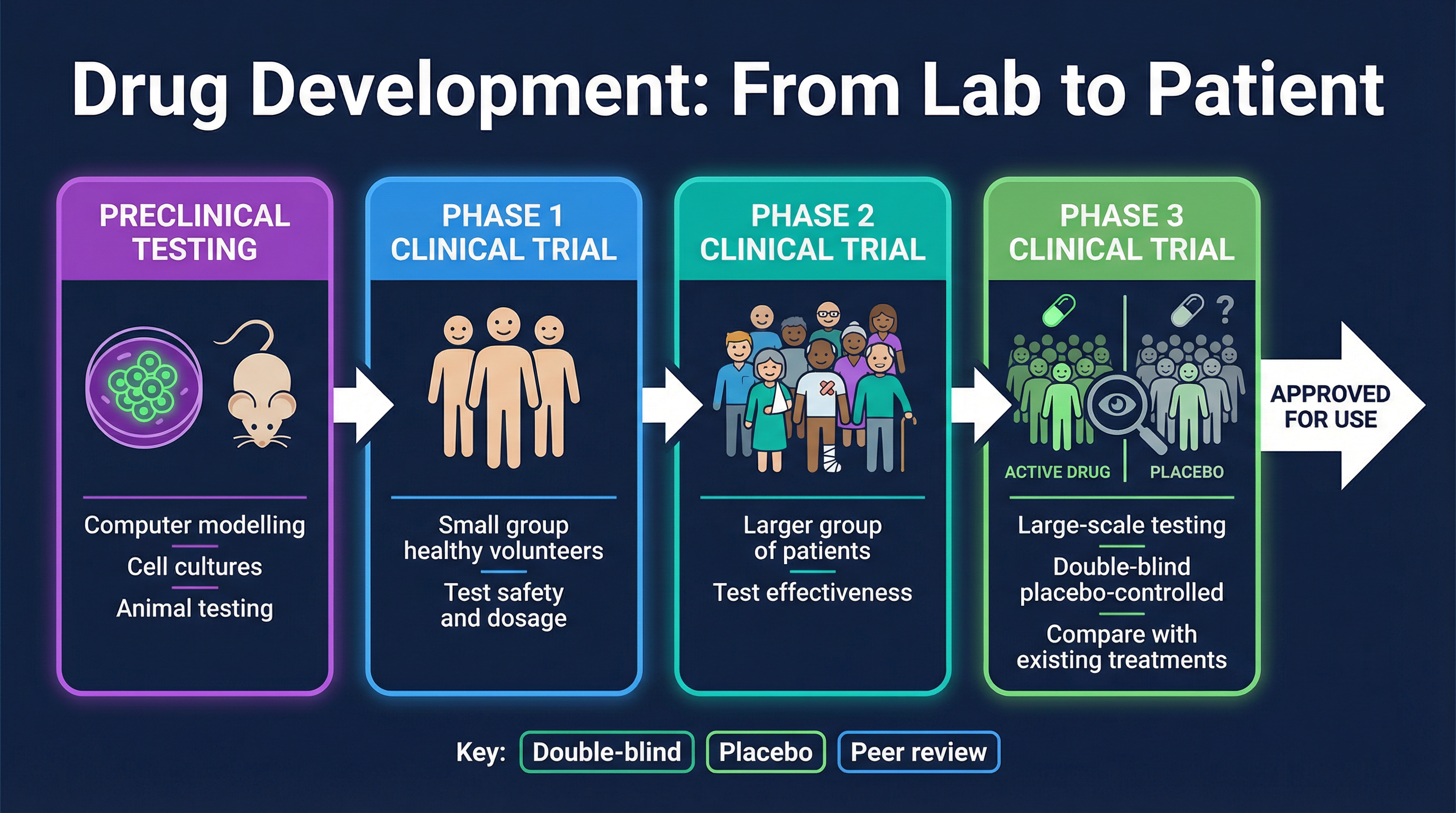
Developing new medicines is a long, rigorous process to ensure they are safe (not toxic), effective (they work), and stable.
Preclinical Testing: Done in a laboratory using cells, tissues, and live animals. This tests for toxicity and efficacy before giving the drug to humans.
Clinical Trials:
- Phase 1: Very low doses are given to healthy human volunteers to check for safety and side effects.
- Phase 2: The drug is given to a small number of patients suffering from the disease to test for efficacy and find the optimum dose.
- Phase 3: Large-scale trials, often using a double-blind setup. Patients are randomly split into two groups: one receives the active drug, the other receives a placebo (a dummy drug). Neither the patients nor the doctors know who has which until the trial is complete. This removes bias.
Podcast Audio
Listen to the 10-minute revision podcast covering all key concepts, exam tips, and a quick-fire quiz:
Visual Resources
4 diagrams and illustrations
Interactive Diagrams
2 interactive diagrams to visualise key concepts
Conceptual Flow Outline
Flowchart showing the two main pathways of the white blood cell immune response.
Conceptual Flow Outline
The sequence of stages in the development and testing of new drugs.
Worked Examples
3 worked examples — open one to explore the question and available guidance.
Practice Questions
Test your understanding — click to reveal model answers
A person is bitten by a mosquito carrying the malaria protist. Describe how the human body's immune system will respond to the protist. (4 marks)
Hint: Think about the two different types of white blood cells and what each one does specifically.
Explain why a double-blind trial is used when testing a new drug. (3 marks)
Hint: What is the difference between a double-blind trial and a normal trial? Who doesn't know what?
Tobacco mosaic virus (TMV) affects plants. Plants infected with TMV have stunted growth. Explain why. (4 marks)
Hint: Think about what the 'mosaic' pattern is (discolouration) and how that affects the plant's ability to make its own food.
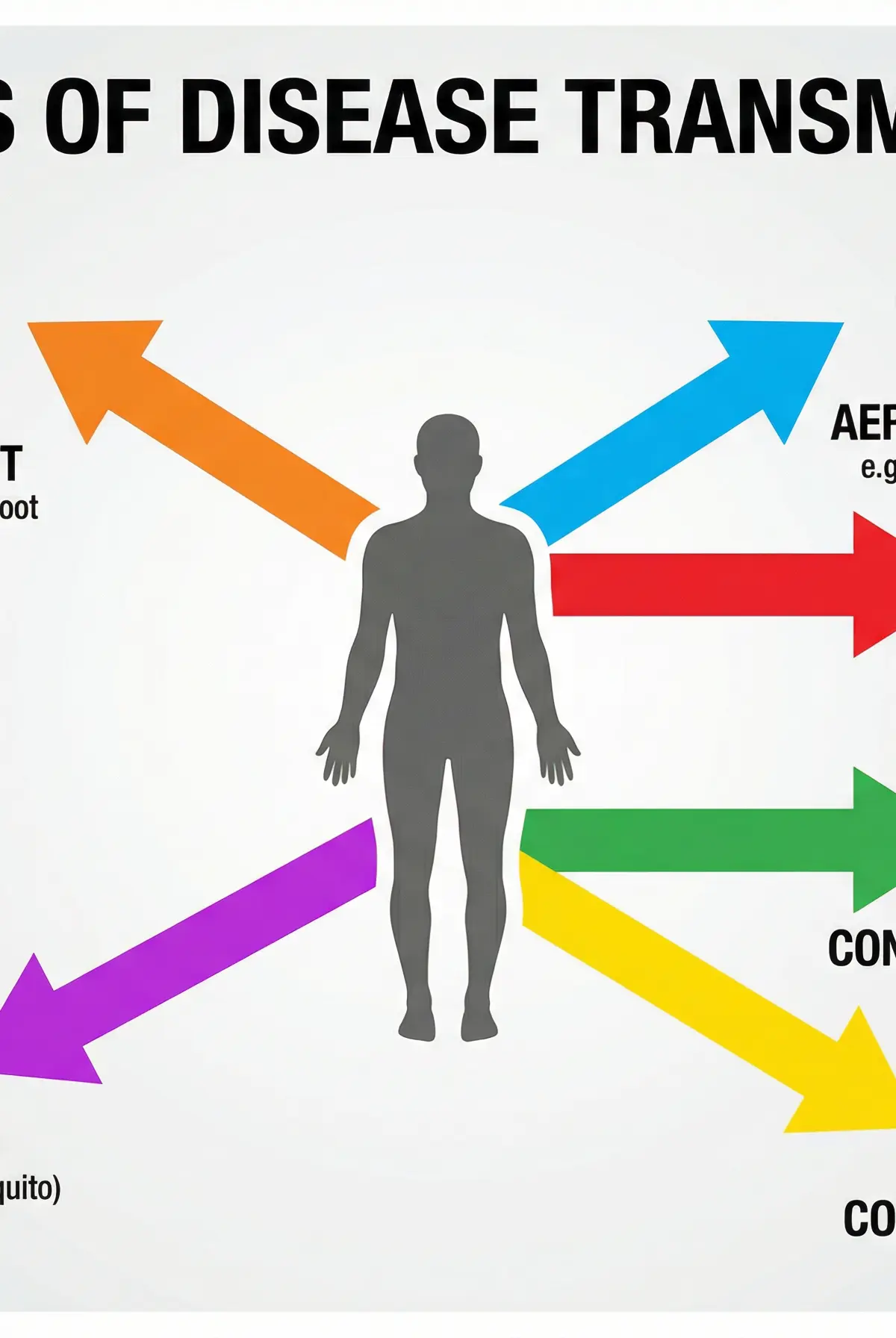
State three ways that communicable diseases can be spread. (3 marks)
Hint: Think about how you might catch a cold, food poisoning, or malaria.
Describe the process of creating a monoclonal antibody. (4 marks)
Hint: Remember the two types of cells that must be fused together.