Eduqas · GCSE · Biology
Health and disease
Master the battle between your body and microscopic invaders. This topic covers how pathogens cause disease, how your immune system fights back, and the rigorous process of developing life-saving drugs.
- 5 min read
- 3 worked examples
- 5 practice questions
- 6 key terms
Study Notes
Overview
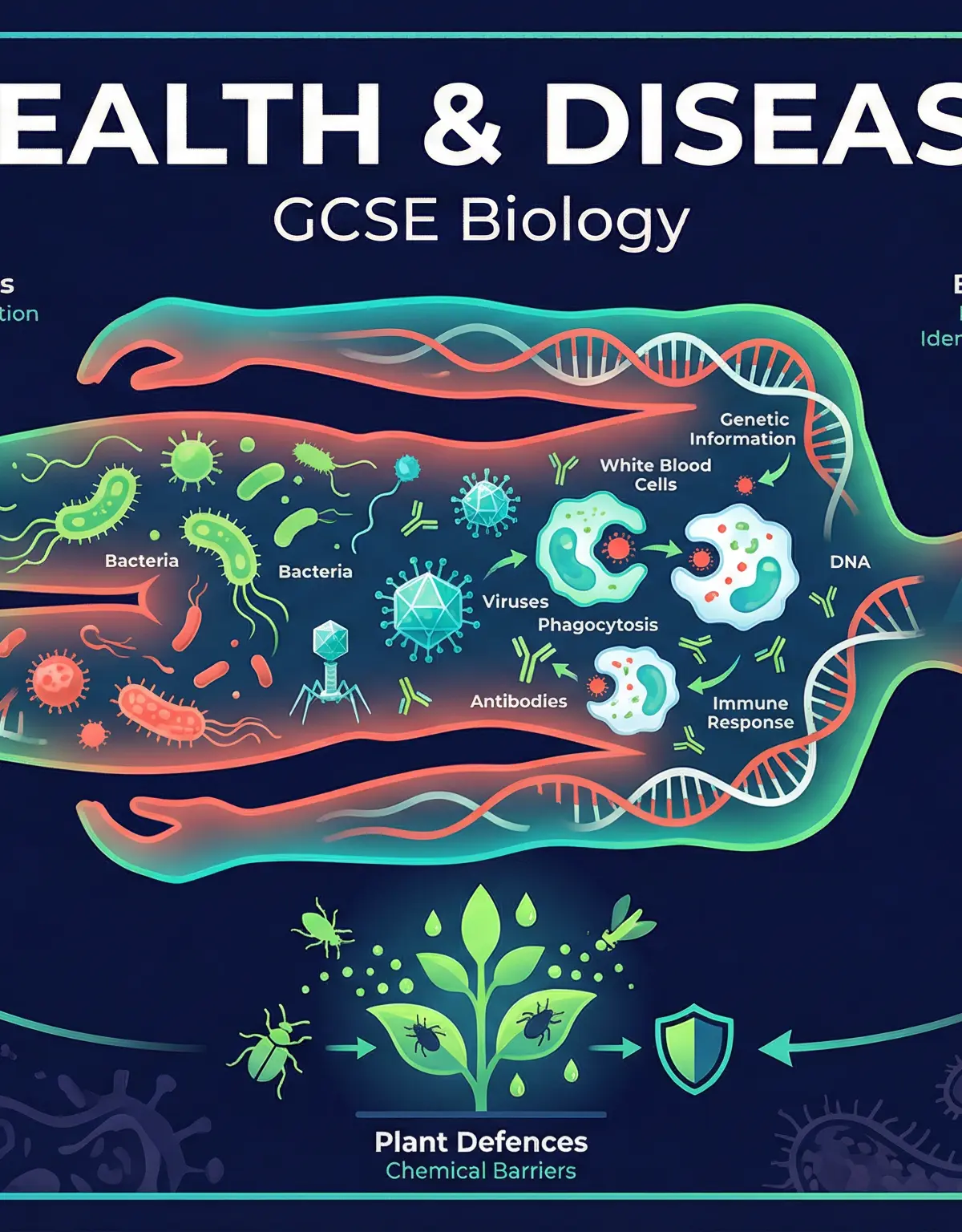
Health and disease is a cornerstone topic in GCSE Biology. It explores the delicate balance between our bodies and the microscopic world around us. You will learn the critical distinction between communicable diseases (which can be passed on) and non-communicable diseases (which cannot).
This topic is highly synoptic, connecting deeply to cell biology, genetics, and ecology. Examiners frequently use this topic to test your understanding of scientific methodology, particularly through questions on drug trials and the evaluation of lifestyle data. You can expect a mix of short recall questions on definitions, extended response questions describing the immune response, and data analysis questions evaluating the risk factors for non-communicable diseases.
Key Concepts
Concept 1: Communicable vs Non-Communicable Diseases
Health is defined as a state of physical and mental well-being, not merely the absence of disease. Diseases can interact—for example, a defect in the immune system might mean an individual is more likely to suffer from infectious diseases.
Communicable diseases are caused by pathogens (bacteria, viruses, fungi, and protists) and can be transmitted from one individual to another. For example, the influenza virus spreads via aerosol droplets when an infected person coughs.
Non-communicable diseases cannot be transmitted between individuals. These include cardiovascular diseases, diabetes, and cancer. They are often linked to lifestyle factors or genetics. For instance, a diet high in saturated fat increases the risk of cardiovascular disease by causing cholesterol build-up in arteries.
Concept 2: The Immune Response
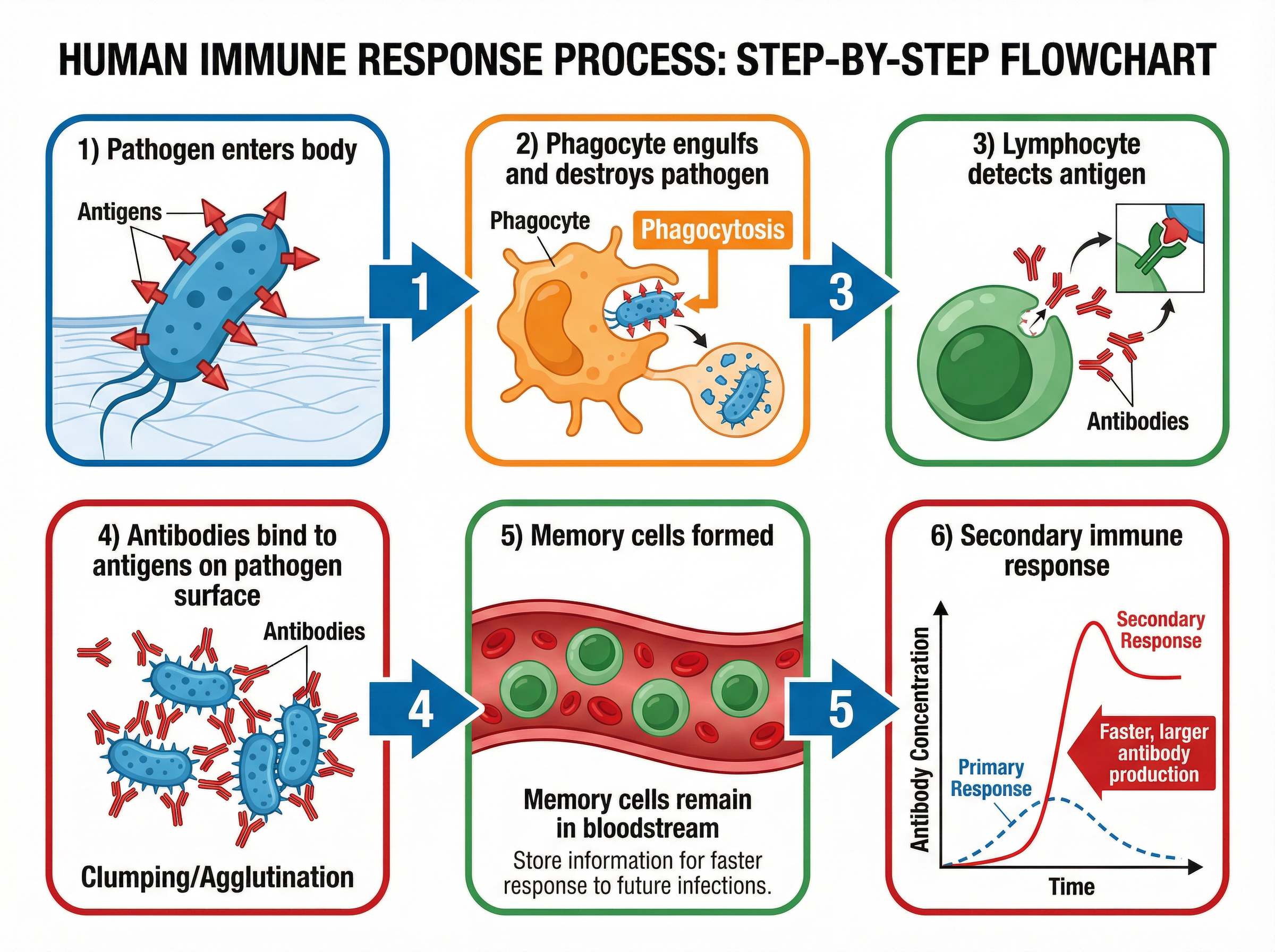
When a pathogen breaches the body's non-specific physical and chemical barriers (like skin, mucus, and stomach acid), the immune system takes over.
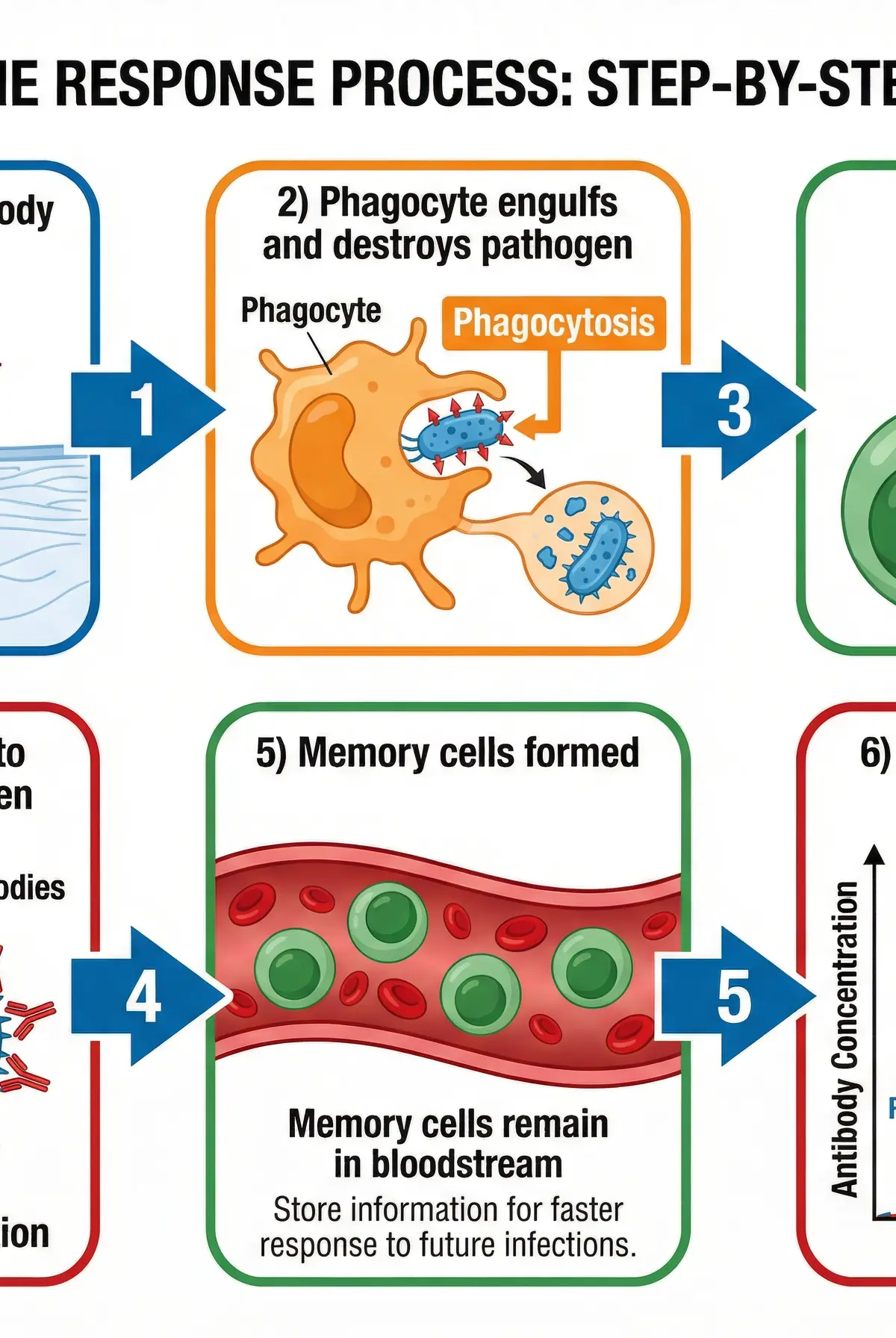
The immune response relies on two main types of white blood cell:
- Phagocytes: These cells engulf and digest pathogens in a non-specific process called phagocytosis.
- Lymphocytes: These cells provide a specific response. They detect foreign antigens on the surface of pathogens and produce specific antibodies. These antibodies bind to the antigens, causing pathogens to clump together, making them easier for phagocytes to destroy. Lymphocytes also produce antitoxins to neutralise toxins released by bacteria.
Crucially, some lymphocytes remain in the blood as memory cells. If the same pathogen re-enters the body, these memory cells recognise the antigen and rapidly produce large quantities of antibodies, often destroying the pathogen before symptoms develop. This is the basis of immunity.
Concept 3: Vaccination and Antibiotics
Vaccination involves introducing small quantities of dead or inactive forms of a pathogen into the body to stimulate the white blood cells to produce antibodies. If the same pathogen re-enters the body, the white blood cells respond quickly to produce the correct antibodies, preventing infection.
Antibiotics, such as penicillin, are medicines that help to cure bacterial disease by killing infective bacteria inside the body. It is vital to remember that antibiotics cannot kill viral pathogens. The emergence of antibiotic-resistant strains of bacteria (like MRSA) is a significant global concern, driven by the overuse and inappropriate use of antibiotics.
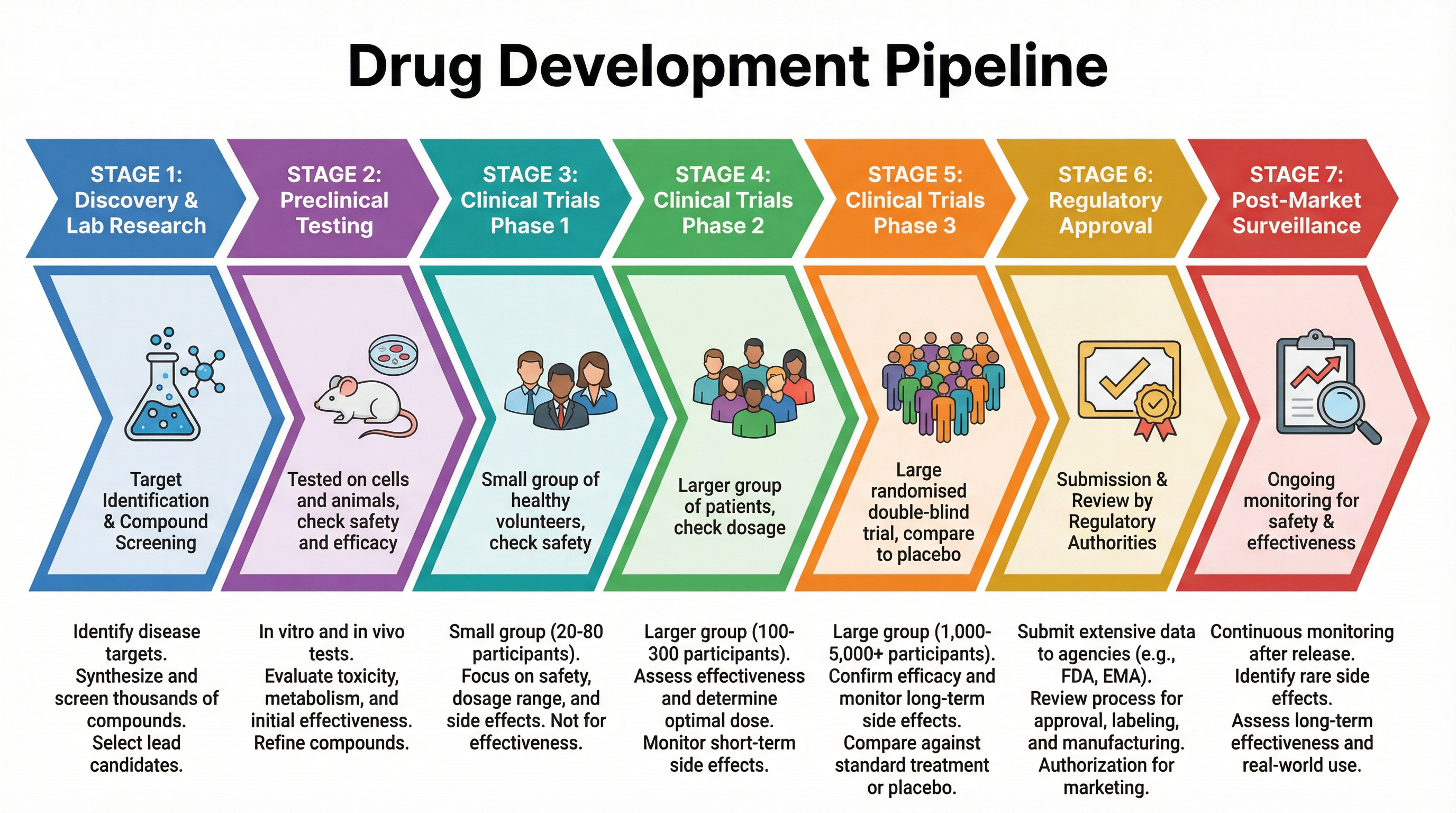
Concept 4: Drug Development
New medical drugs have to be tested and trialled before being used to check that they are safe and effective.
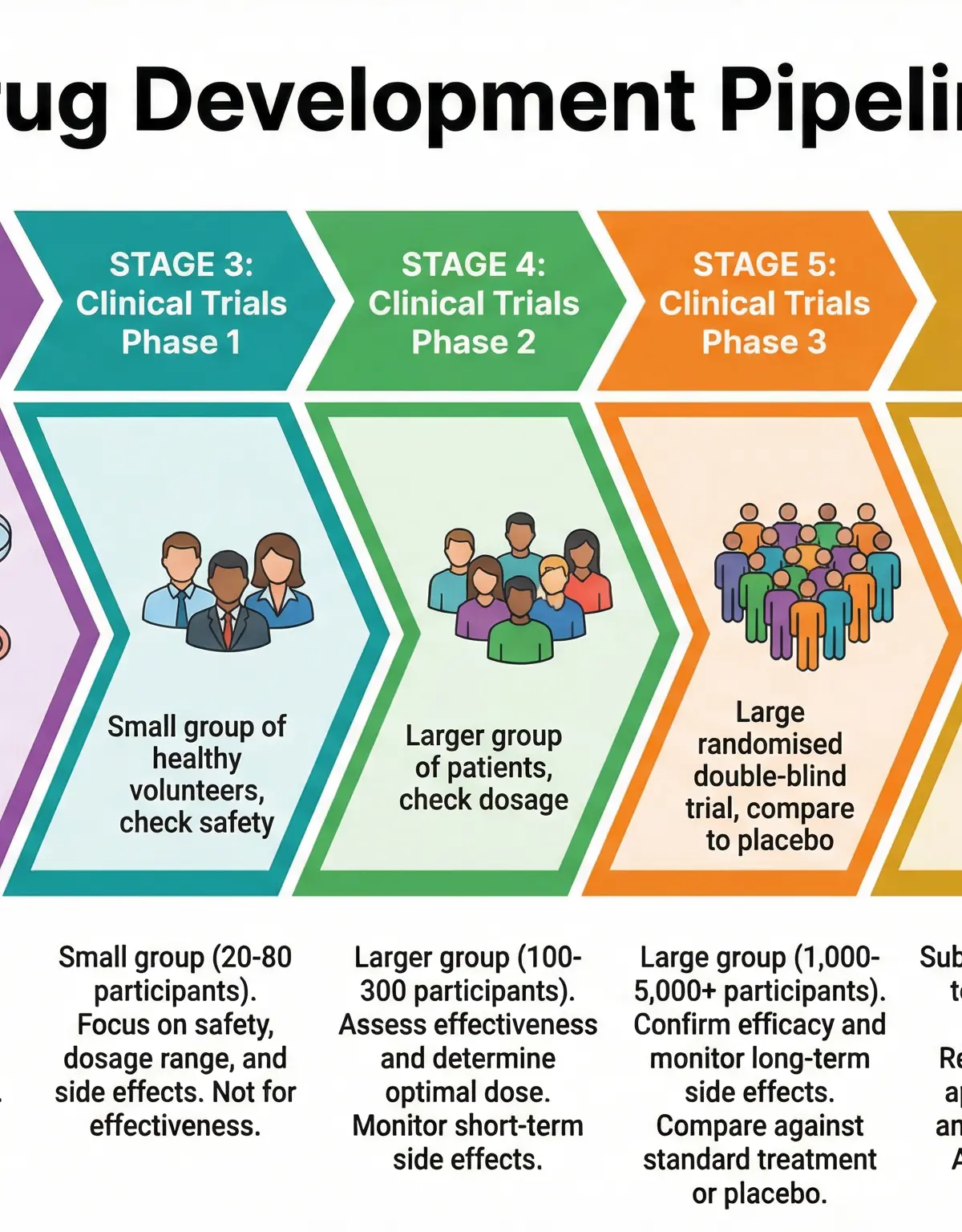
This process occurs in several stages:
- Preclinical testing: Done in a laboratory using cells, tissues, and live animals to test for toxicity and efficacy.
- Clinical trials: Involve testing on healthy volunteers and patients at very low doses to monitor for safety and side effects. If safe, further trials are done to find the optimum dose.
In double-blind trials, some patients are given a placebo (a dummy drug). Neither the doctors nor the patients know who has received the real drug and who has received the placebo until the trial is complete. This removes bias.
Podcast Episode
Listen to our 10-minute deep dive into Health and Disease, covering all the core concepts, common mistakes, and exam tips you need to know.
Mathematical/Scientific Relationships
When analyzing epidemiological data, you must understand the concept of correlation vs causation. A correlation is a link or relationship between two variables (e.g., smoking and lung cancer). However, a correlation does not automatically mean one thing causes the other. Causation requires a proven biological mechanism (e.g., carcinogens in tar cause mutations in DNA, leading to cancer).
Practical Applications
Understanding aseptic technique is a critical practical application in this topic. When investigating the effect of antiseptics or antibiotics on bacterial growth, you must use aseptic techniques to prevent contamination of the culture by unwanted microorganisms, and to prevent the escape of the cultured bacteria into the environment.
Interactive Diagrams
2 interactive diagrams to visualise key concepts
Conceptual Flow Outline
Flowchart showing the dual pathways of the human immune response.
Conceptual Flow Outline
The sequential stages of modern drug development.
Worked Examples
3 worked examples — open one to explore the question and available guidance.
Practice Questions
Test your understanding — click to reveal model answers
State the four main types of pathogen.
Hint: Think of the cause of flu, food poisoning, athlete's foot, and malaria.
Describe how vaccination makes a person immune to a disease. (4 marks)
Hint: Mention what is in the vaccine and how the white blood cells react both initially and upon reinfection.
Evaluate the use of statins compared with a stent to treat cardiovascular disease. (6 marks)
Hint: You need to provide advantages and disadvantages for BOTH treatments, and end with a concluding sentence.
Explain how the stomach defends against infection. (2 marks)
Hint: What chemical does the stomach produce?
Explain why MRSA is a significant problem in hospitals and how its spread can be reduced. (4 marks)
Hint: What is MRSA resistant to? How do hygiene practices help?