Eduqas · GCSE · Biology
Health, disease and the development of medicine
Master the microscopic battlefield of your body and the journey of life-saving drugs from lab to patient. This crucial GCSE Biology topic connects classroom science to real-world medicine, testing your understanding of immunity, disease transmission, and scientific trials.
- 7 min read
- 3 worked examples
- 5 practice questions
- 6 key terms
Study Notes
Overview
Welcome to one of the most relevant and fascinating topics in GCSE Biology: Health, Disease, and the Development of Medicine. This unit bridges the gap between microscopic cellular processes and the medicines you find in your bathroom cabinet. You will explore how pathogens invade our bodies, the remarkable specific and non-specific defence systems that protect us, and the rigorous scientific methods used to develop new drugs.
This topic is highly synoptic, meaning it connects deeply with other areas of the specification. Your understanding of cell biology (particularly white blood cells) and genetics (mutations leading to antibiotic resistance) will be tested here. Examiners frequently use this topic for extended 6-mark questions, often asking you to evaluate the use of vaccines, explain the stages of the immune response, or interpret data from clinical trials.
Key Concepts
Concept 1: Communicable vs Non-Communicable Disease
A fundamental distinction in biology is how diseases originate. Communicable diseases are infectious; they are caused by pathogens (microorganisms such as bacteria, viruses, fungi, and protists) and can be transmitted from one organism to another. Examples include influenza, tuberculosis, and malaria.
Conversely, non-communicable diseases cannot be passed between individuals. They are typically caused by a combination of genetic susceptibility and lifestyle factors. Cardiovascular disease, type 2 diabetes, and most cancers fall into this category. Examiners often ask you to identify risk factors for these diseases, such as poor diet, lack of exercise, smoking, and alcohol consumption.
Example: If a student catches a cold from a classmate, it is communicable (viral pathogen). If an adult develops lung cancer after years of smoking, it is non-communicable (lifestyle risk factor).
Concept 2: The Immune Response
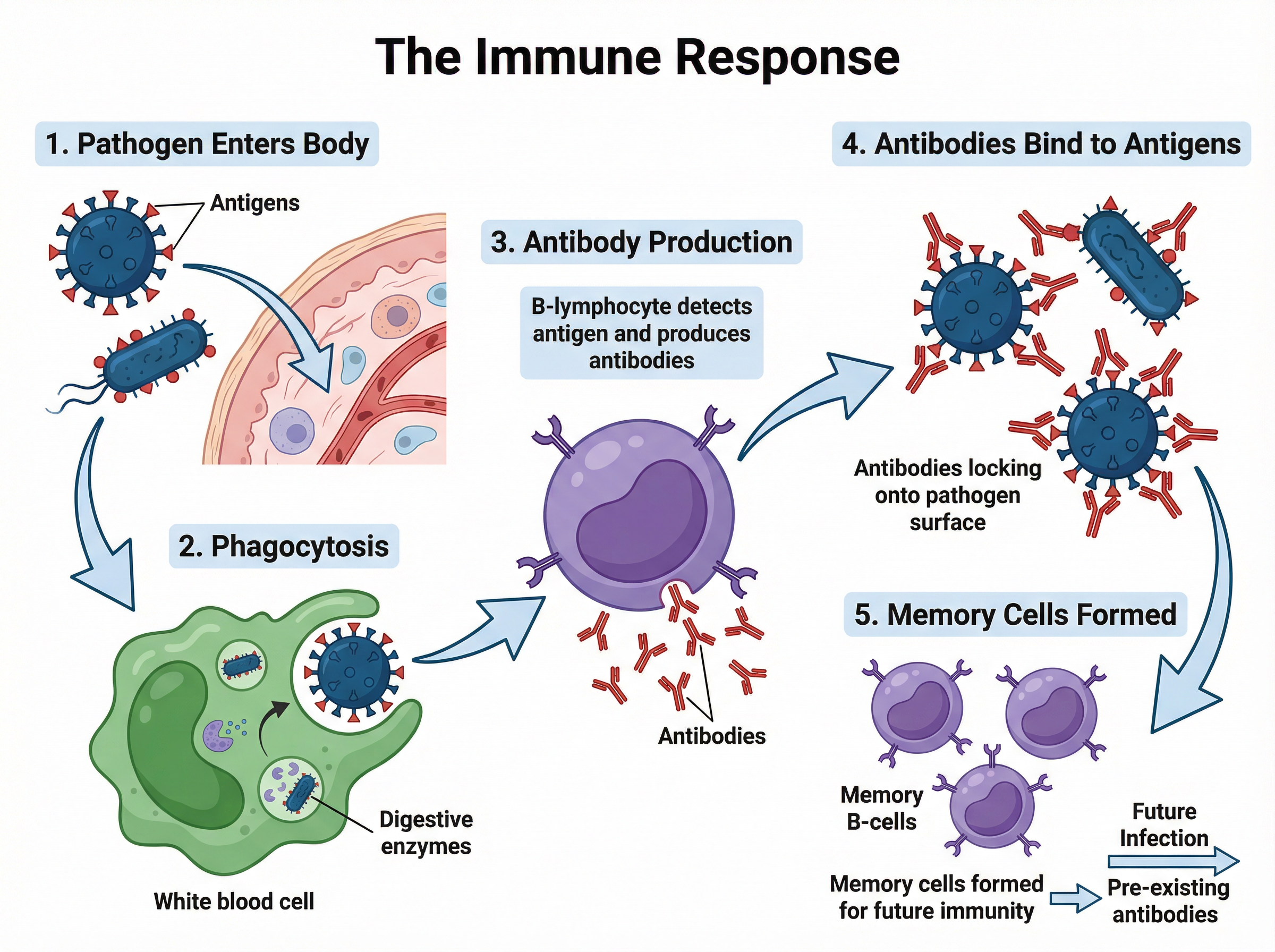
When pathogens breach our primary non-specific defences (like the skin, stomach acid, and mucus), the specific immune system takes over. This involves two critical types of white blood cells, and you must not confuse their roles.
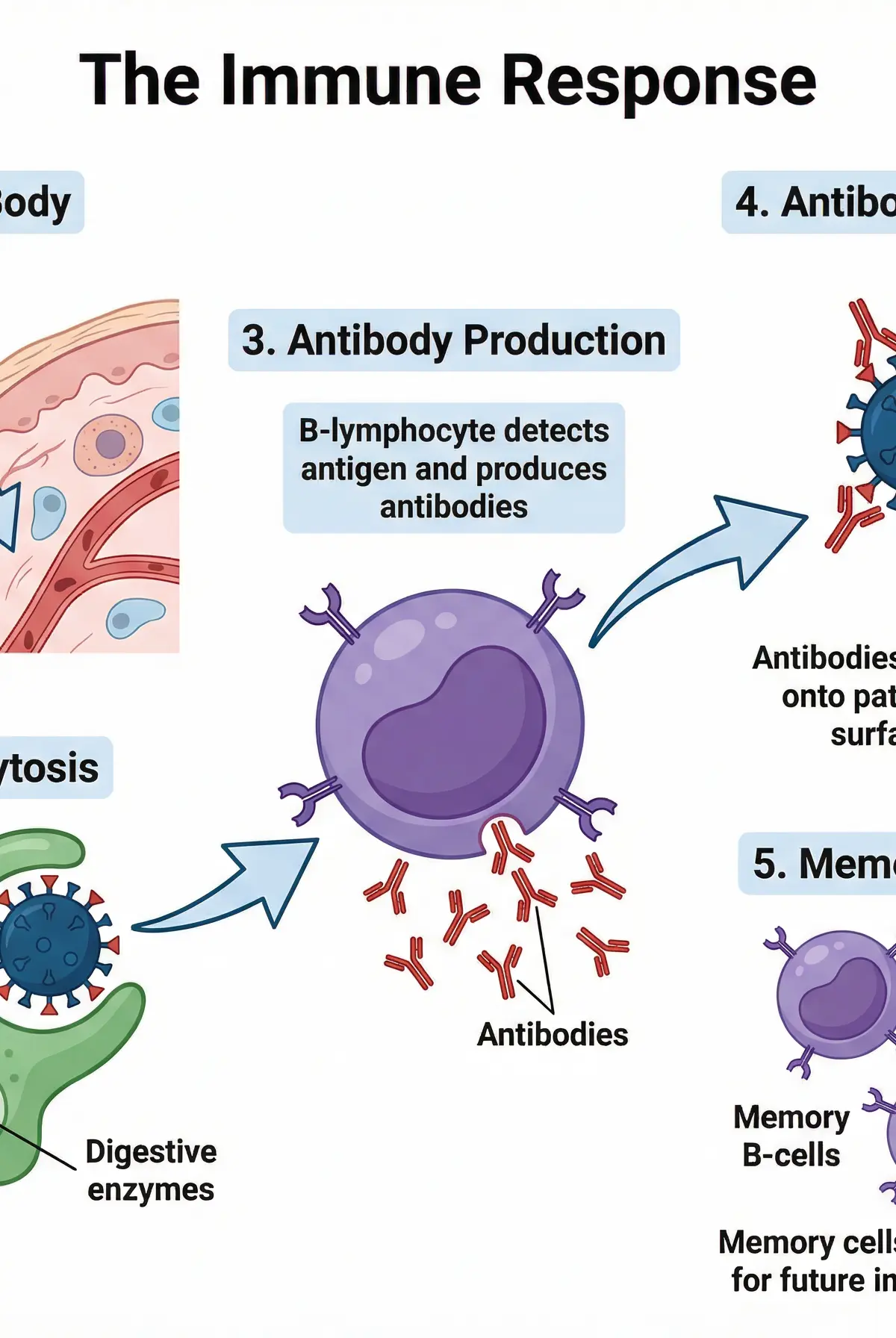
- Phagocytes: These cells provide a non-specific response. They detect foreign bodies, engulf them, and digest them using enzymes in a process called phagocytosis.
- Lymphocytes: These provide a specific response. They detect specific antigens (proteins on the surface of pathogens) and produce antibodies. Antibodies are proteins perfectly shaped to bind to the specific antigen, locking onto the pathogen to neutralise it or clump it together for phagocytes to destroy.
Crucially, some lymphocytes remain in the blood as memory cells. If the same pathogen enters the body again, these memory cells rapidly produce a massive quantity of the specific antibodies, destroying the pathogen before symptoms develop. This is the basis of immunity.
Concept 3: Antibiotics and Resistance
Antibiotics, such as penicillin, are medicines that kill or inhibit the growth of bacteria. They work by disrupting bacterial cell processes, like cell wall formation. Examiner Trap: Antibiotics do not kill viruses. Viruses reproduce inside host cells, so destroying them would often mean destroying the body's own tissues.
Antibiotic resistance is a prime example of natural selection in action. Within a bacterial population, random mutations occur. Some mutations confer resistance to an antibiotic. When the antibiotic is used, it kills the non-resistant bacteria, but the resistant ones survive and reproduce. Over time, the entire population becomes resistant (e.g., MRSA). This is why completing the full course of antibiotics is essential.
Concept 4: Drug Development and Clinical Trials
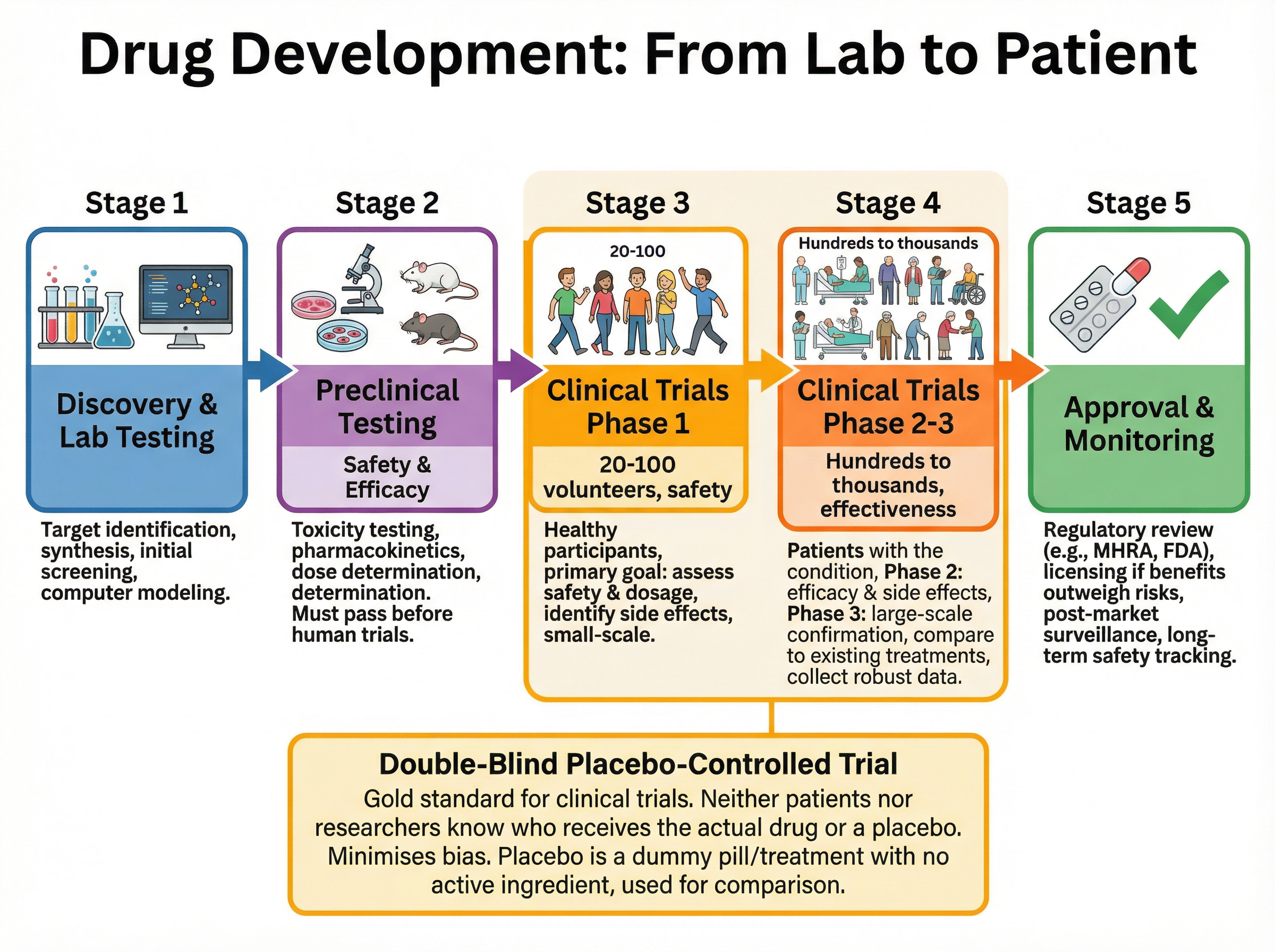
Before a new drug reaches a patient, it must undergo rigorous testing to ensure it is safe (non-toxic), effective (it works), and given at the optimal dosage.
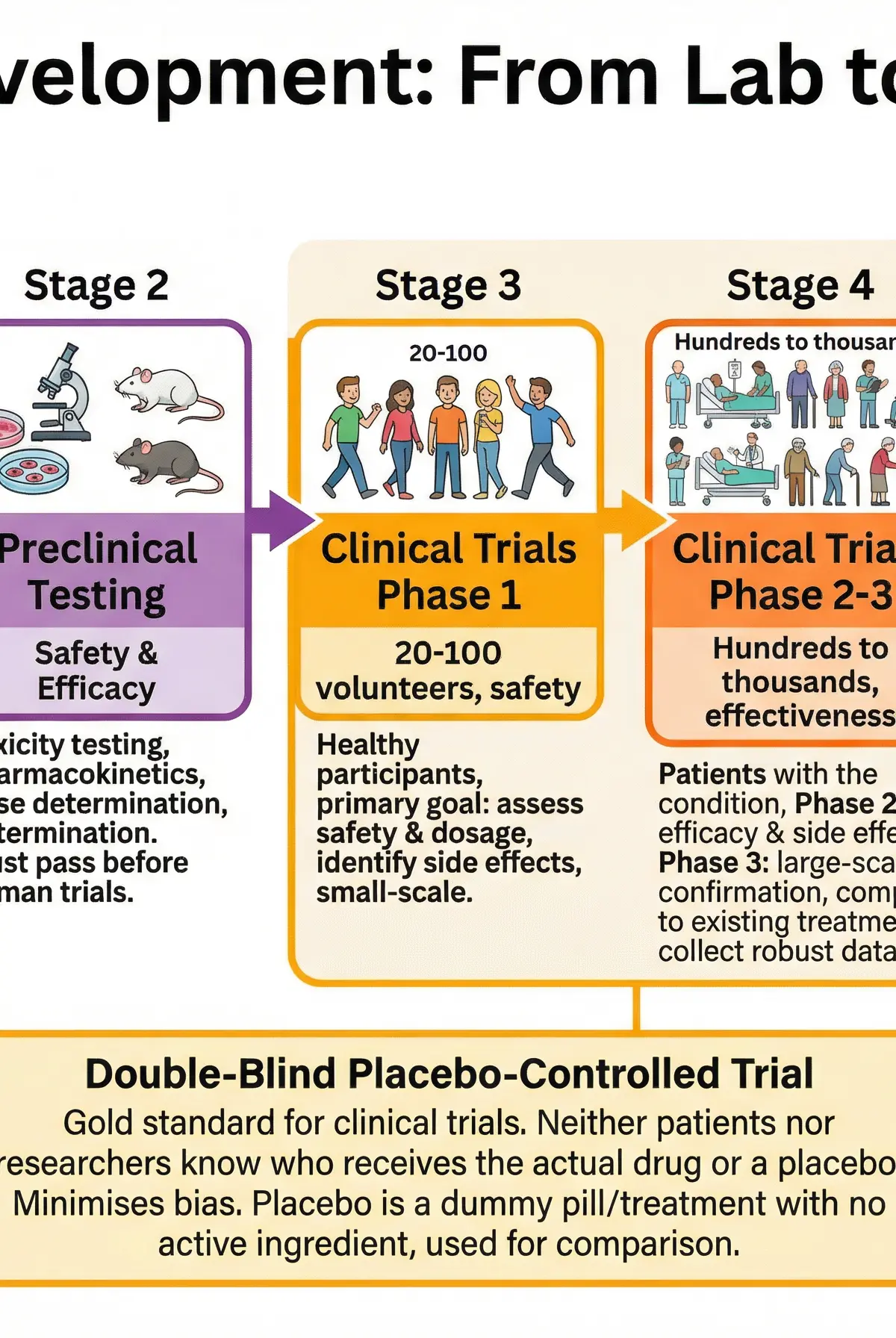
- Preclinical Testing: Conducted in a laboratory using cells, tissues, and live animals. This stage primarily tests for toxicity and basic efficacy.
- Clinical Trials: Conducted on human volunteers.
- Phase 1: Uses a small group of healthy volunteers to test for safety and side effects at low doses.
- Phases 2 & 3: Uses larger groups of patients with the target disease to test for effectiveness and determine the optimum dose.
The gold standard for clinical trials is the double-blind, placebo-controlled trial. A placebo is a dummy treatment containing no active drug. In a double-blind trial, neither the patients nor the doctors know who is receiving the real drug and who is receiving the placebo. This eliminates bias and placebo effects.
Concept 5: Monoclonal Antibodies (Higher Tier)
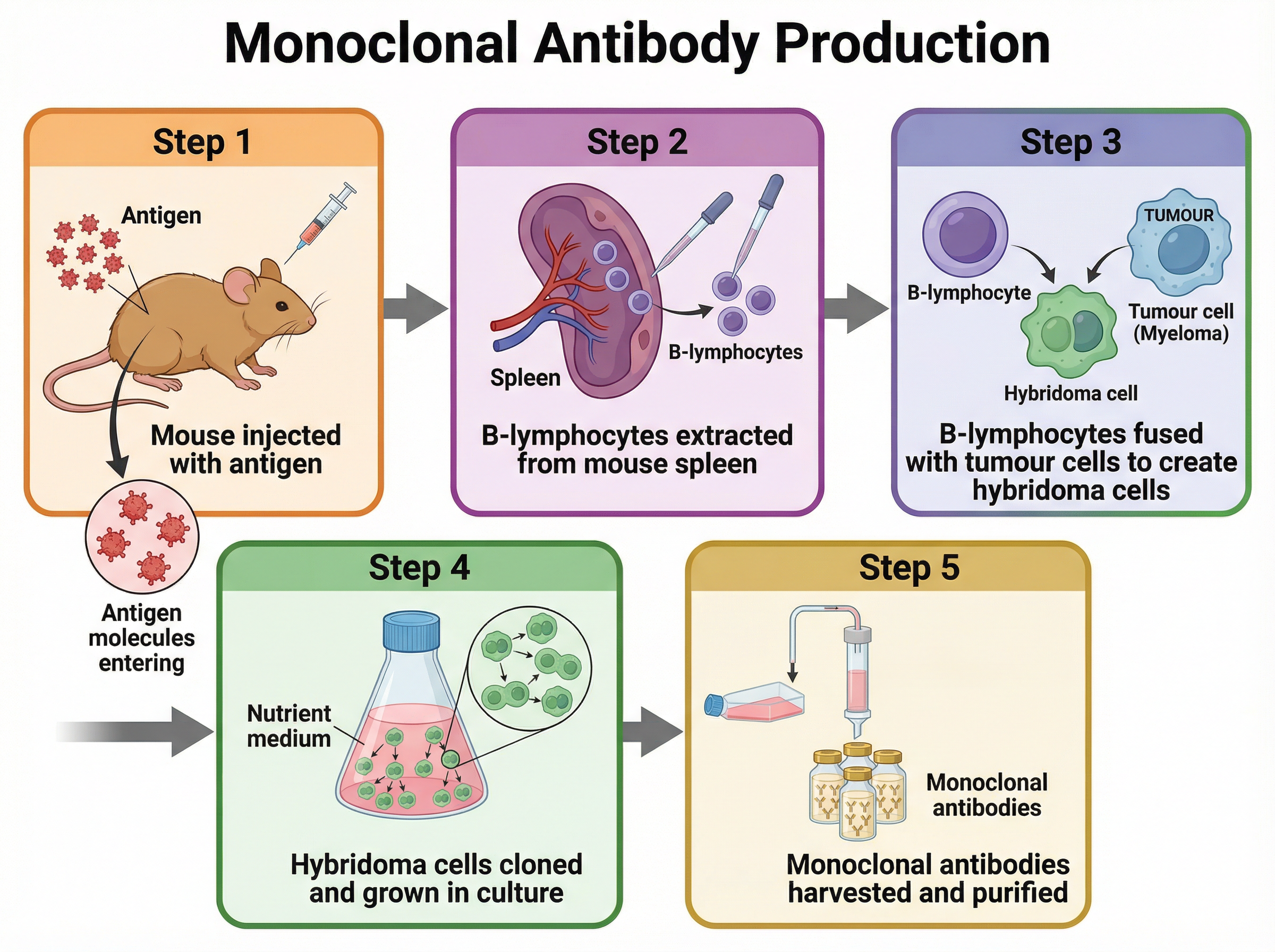
Monoclonal antibodies are identical copies of one type of antibody, produced in a laboratory. They are specific to one binding site on one protein antigen.
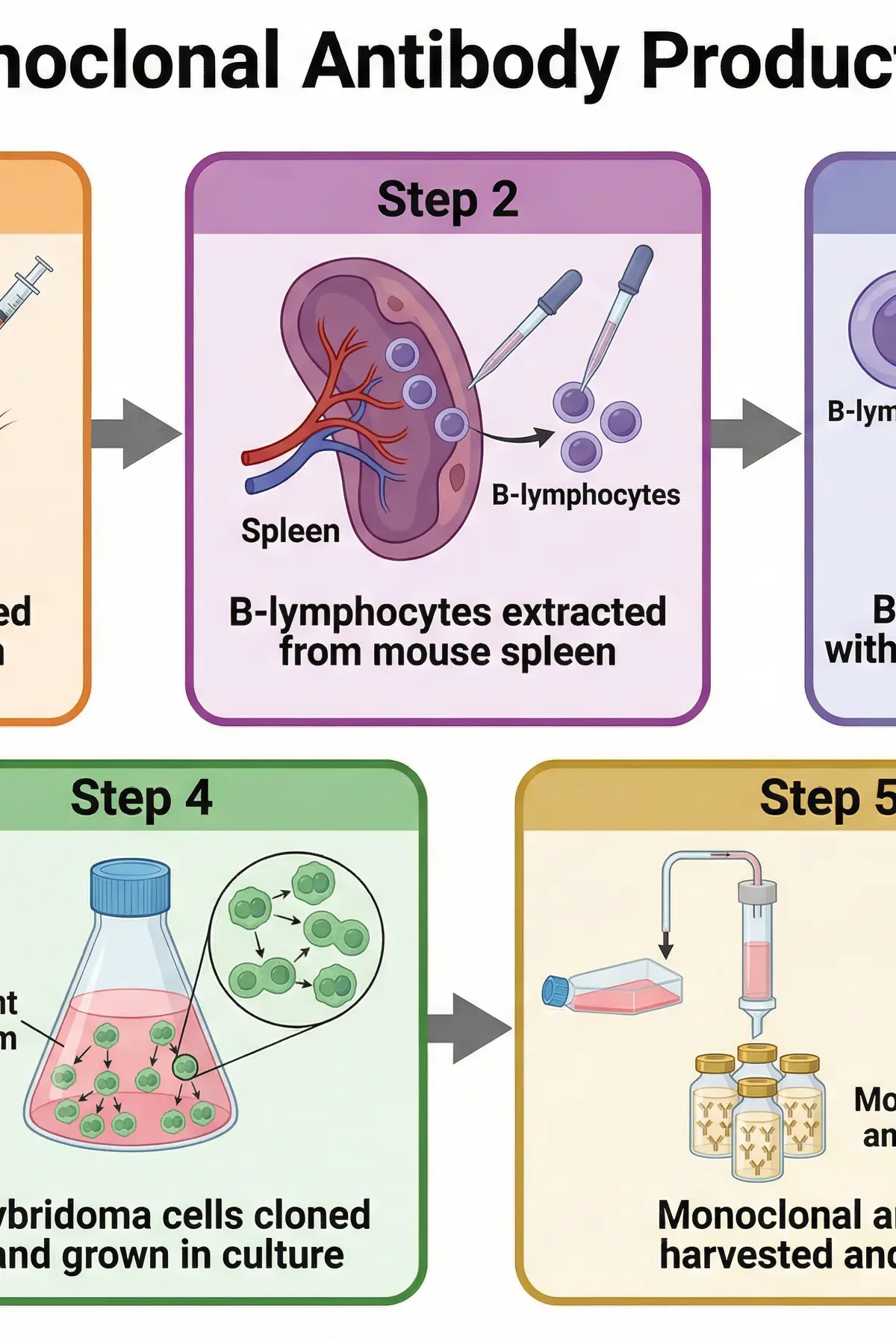
They are produced by injecting a mouse with a specific antigen, which stimulates the mouse's lymphocytes to produce the desired antibody. These lymphocytes are extracted and fused with rapidly dividing tumour cells (myeloma cells) to create hybridoma cells. These hybridoma cells divide indefinitely, producing large quantities of the monoclonal antibody, which can then be harvested and purified.
Applications include pregnancy tests (binding to the HCG hormone), disease diagnosis, and targeted cancer treatments (delivering radioactive substances directly to cancer cells without harming healthy tissue).
Mathematical/Scientific Relationships
While this topic is less calculation-heavy than others, you must be comfortable calculating the zone of inhibition when investigating the effect of antiseptics or antibiotics on bacterial growth.
Area of a circle = πr²
- r is the radius of the clear zone around the antibiotic disc where bacteria have not grown.
- You must measure the diameter accurately with a ruler, halve it to find the radius, and then apply the formula.
Practical Applications
**Required Practical: Culturing Microorganisms (Aseptic Technique)**You must know how to investigate the effect of antiseptics or antibiotics on bacterial growth using agar plates.
- Method: Sterilise all equipment (Petri dishes, nutrient broth, inoculating loops) to kill unwanted microorganisms. Pass the inoculating loop through a Bunsen burner flame. Transfer the bacteria to the agar. Place paper discs soaked in different antiseptics onto the agar. Secure the lid with adhesive tape (but not sealed completely, to allow oxygen in and prevent the growth of harmful anaerobic bacteria). Incubate at 25°C (in schools, to prevent growing human pathogens).
- Analysis: Measure the diameter of the clear zone (zone of inhibition) around each disc. Calculate the area. The larger the area, the more effective the antiseptic.
Visual Resources
3 diagrams and illustrations
Interactive Diagrams
2 interactive diagrams to visualise key concepts
Conceptual Flow Outline
Flowchart illustrating the body's immune response pathways.
Conceptual Flow Outline
The sequential stages of drug development and clinical trials.
Worked Examples
3 worked examples — open one to explore the question and available guidance.
Practice Questions
Test your understanding — click to reveal model answers
State two ways that communicable diseases can be transmitted. (2 marks)
Hint: Think about how you might catch a cold or a stomach bug.
Explain how a vaccine protects a person from a specific disease. (4 marks)
Hint: What is actually in a vaccine? How do your white blood cells react to it?
Evaluate the use of antibiotics in treating bacterial infections. (4 marks)
Hint: Evaluate means you need pros and cons. What is good about them, and what is the major modern problem with them?
A student investigated the effectiveness of three different antiseptics (A, B, and C) on bacterial growth. They measured the diameter of the clear zone around each disc. Disc B had a diameter of 14mm. Calculate the area of the zone of inhibition for Disc B. Give your answer to 3 significant figures. (3 marks)
Hint: Remember the formula for the area of a circle. What do you need to do to the diameter first?
Higher Tier: Describe how monoclonal antibodies are produced and explain how they can be used to treat cancer. (6 marks)
Hint: Break this into two parts: 1) The mouse and the tumour cell. 2) Attaching something toxic to the antibody.