Alkanes — AQA A-Level Study Guide
Exam Board: AQA | Level: A-Level
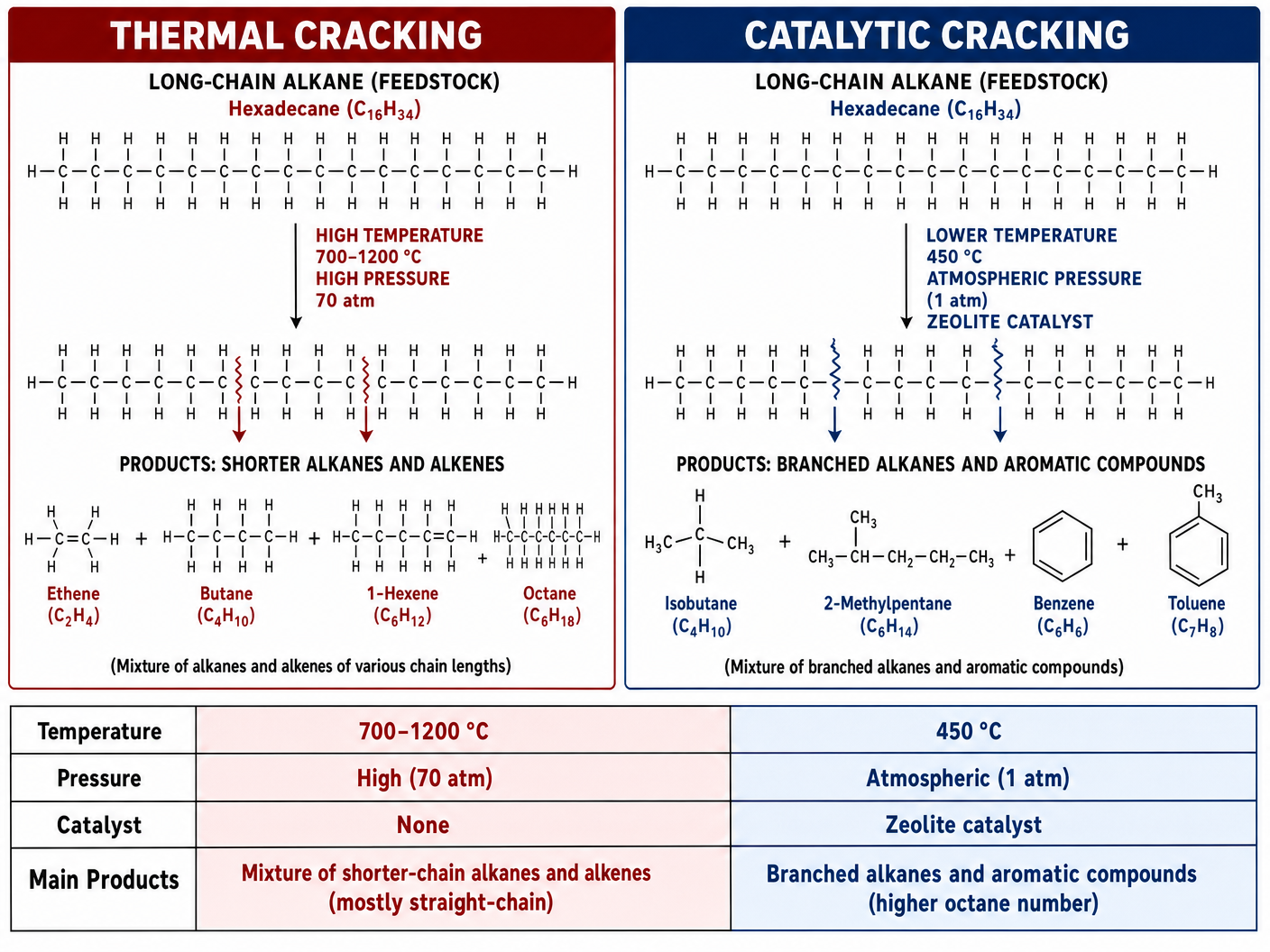
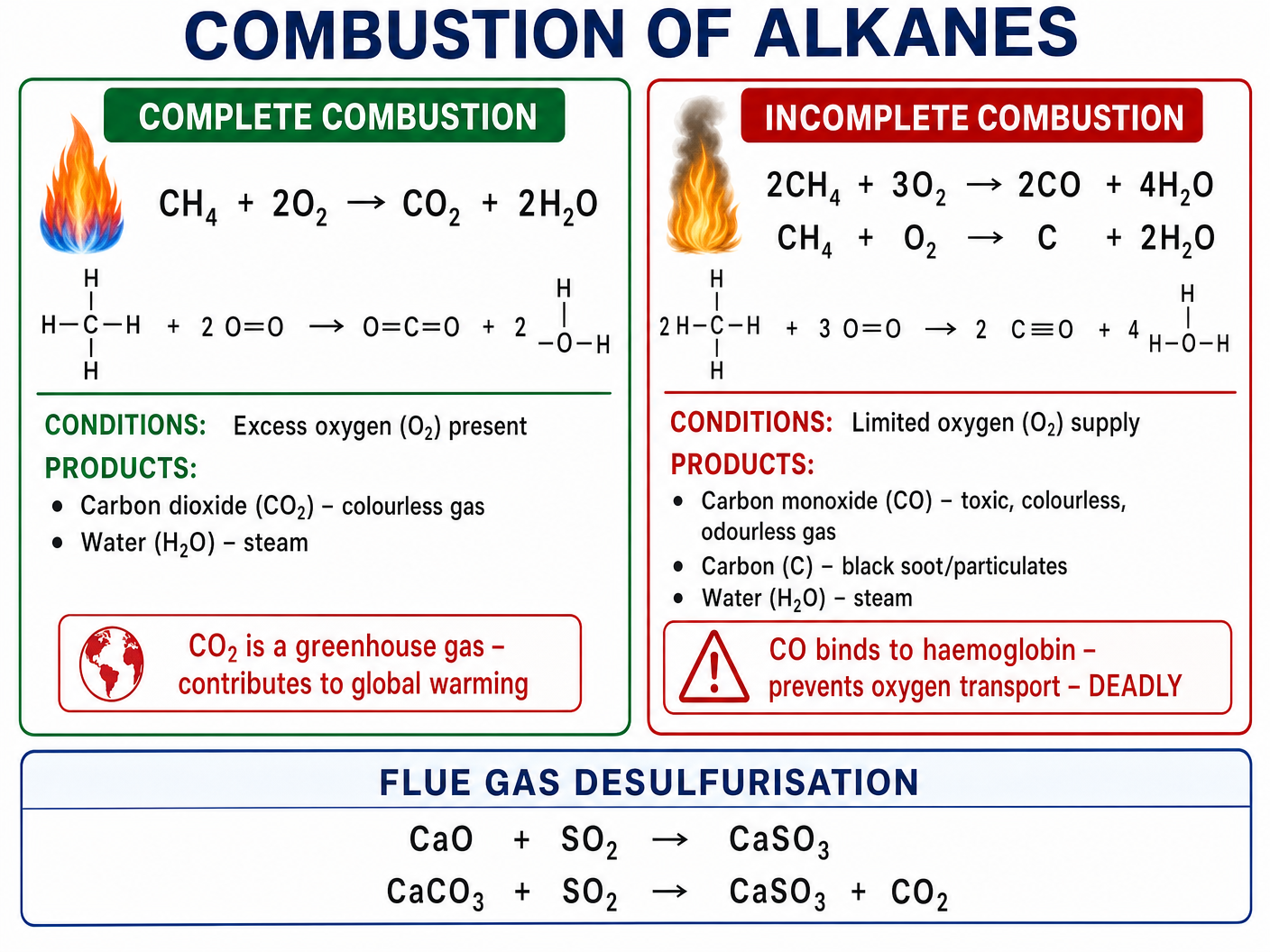
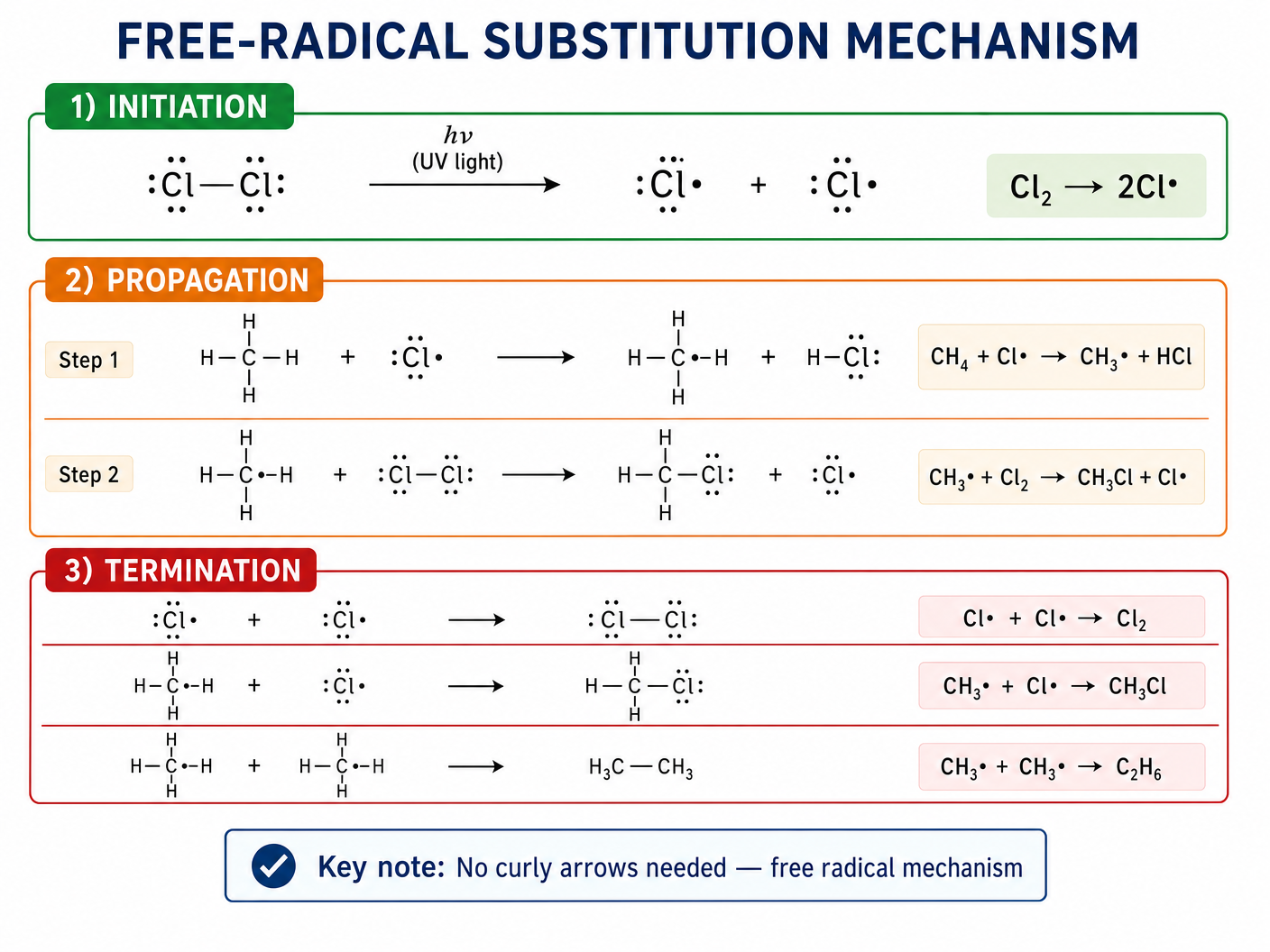
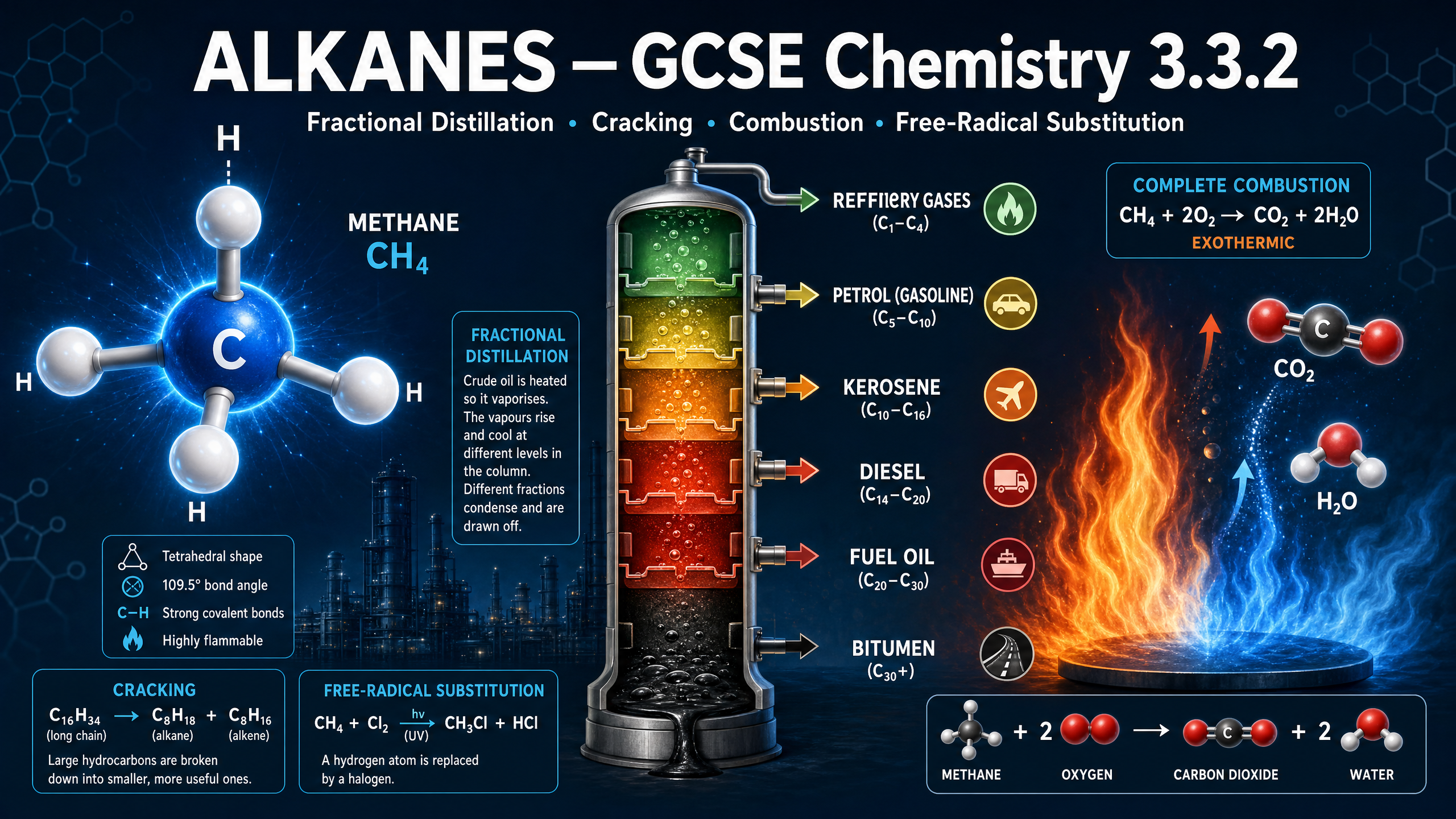
Master the fundamentals of Alkanes (3.3.2) — the building blocks of crude oil and our primary fuels. This guide breaks down fractional distillation, cracking, combustion, and free-radical substitution to help you secure top marks in your GCSE Chemistry exam.
Overview
Alkanes are the most fundamental class of organic compounds you will study in GCSE Chemistry. They are saturated hydrocarbons, meaning they consist entirely of carbon and hydrogen atoms joined by single covalent bonds. As the primary constituents of crude oil, alkanes are the backbone of the modern fuel industry and provide the raw materials for manufacturing plastics, pharmaceuticals, and synthetic fibres.
Understanding alkanes is crucial because it bridges the gap between simple molecular structures and complex industrial processes. In your exam, you can expect a mix of recall questions (e.g., defining terms or stating general formulas), application questions (e.g., balancing combustion equations), and longer, multi-step explanations (e.g., detailing the mechanism of free-radical substitution or the economic reasons for cracking). Examiners frequently test your ability to link the physical properties of alkanes to their separation via fractional distillation, and to compare the environmental impacts of their combustion.
Key Concepts
Concept 1: Structure and Homologous Series
Alkanes form a homologous series — a family of organic compounds with the same general formula, similar chemical properties, and a gradual trend in physical properties. The general formula for alkanes is C_nH_{2n+2}.
Because they only contain single carbon-carbon bonds, they are described as
Continue revising: Browse all Chemistry AQA A-Level topics →