AQA · A-Level · Physical Education
Injury Prevention and Rehabilitation
This study guide covers Exercise Physiology and Biomechanics, focusing on the mechanisms of sports injuries, risk factors, and the physiological rationale behind prevention and rehabilitation strategies. Mastering this topic is essential for evaluating injury management protocols and securing top marks in both theoretical and applied exam questions.
- 6 min read
- 3 worked examples
- 3 practice questions
- 6 key terms
Study Notes
Overview
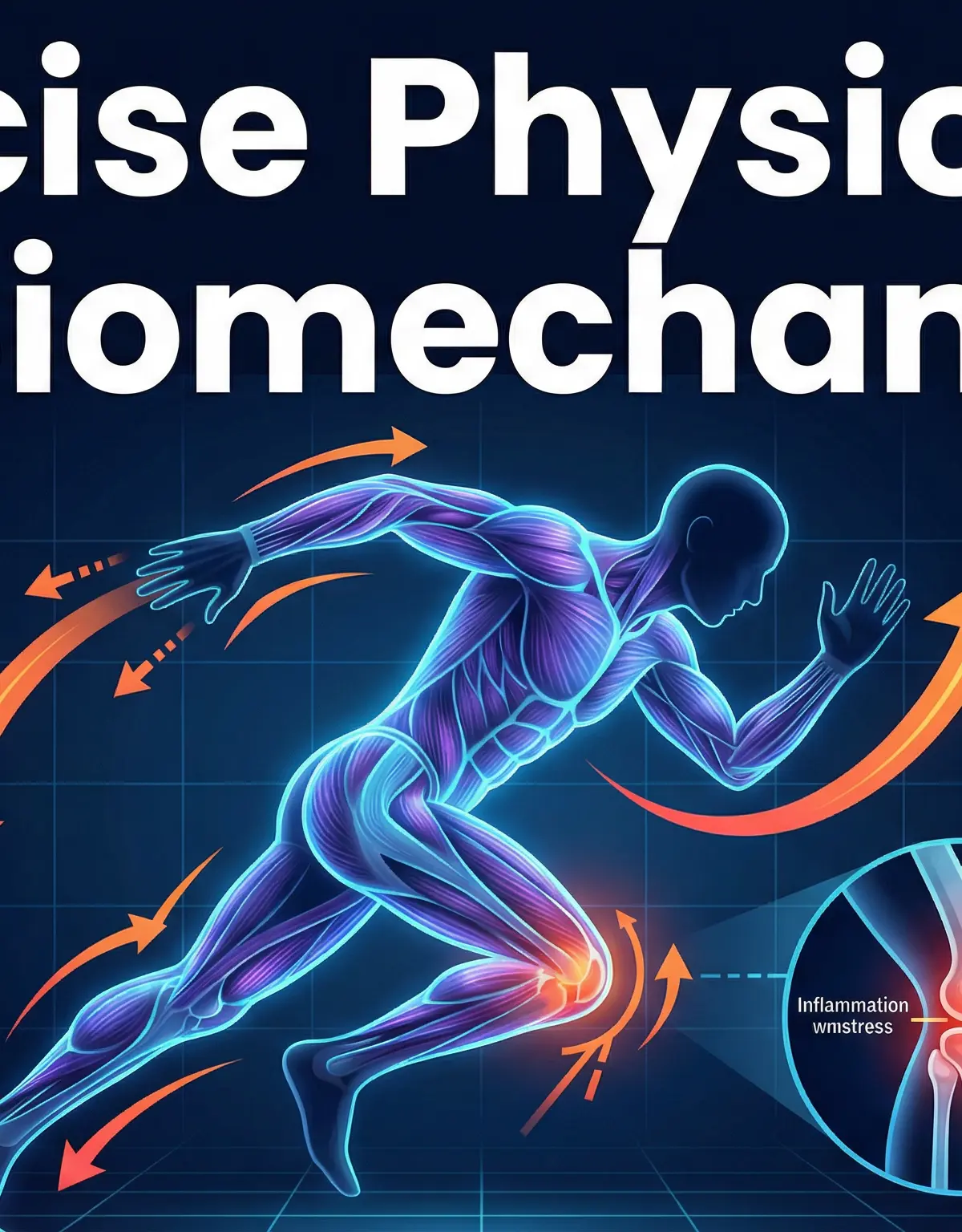
Exercise Physiology and Biomechanics form a cornerstone of the Physical Education specification. Examiners expect candidates to demonstrate a precise understanding of how the body responds to stress, the mechanisms of injury, and the physiological processes involved in recovery. This section requires you to move beyond basic descriptions and apply detailed anatomical and physiological knowledge to specific sporting contexts.
Listen to the companion podcast for an audio summary of this topic:

Key Knowledge & Theory
Core Concepts
Injury Classification
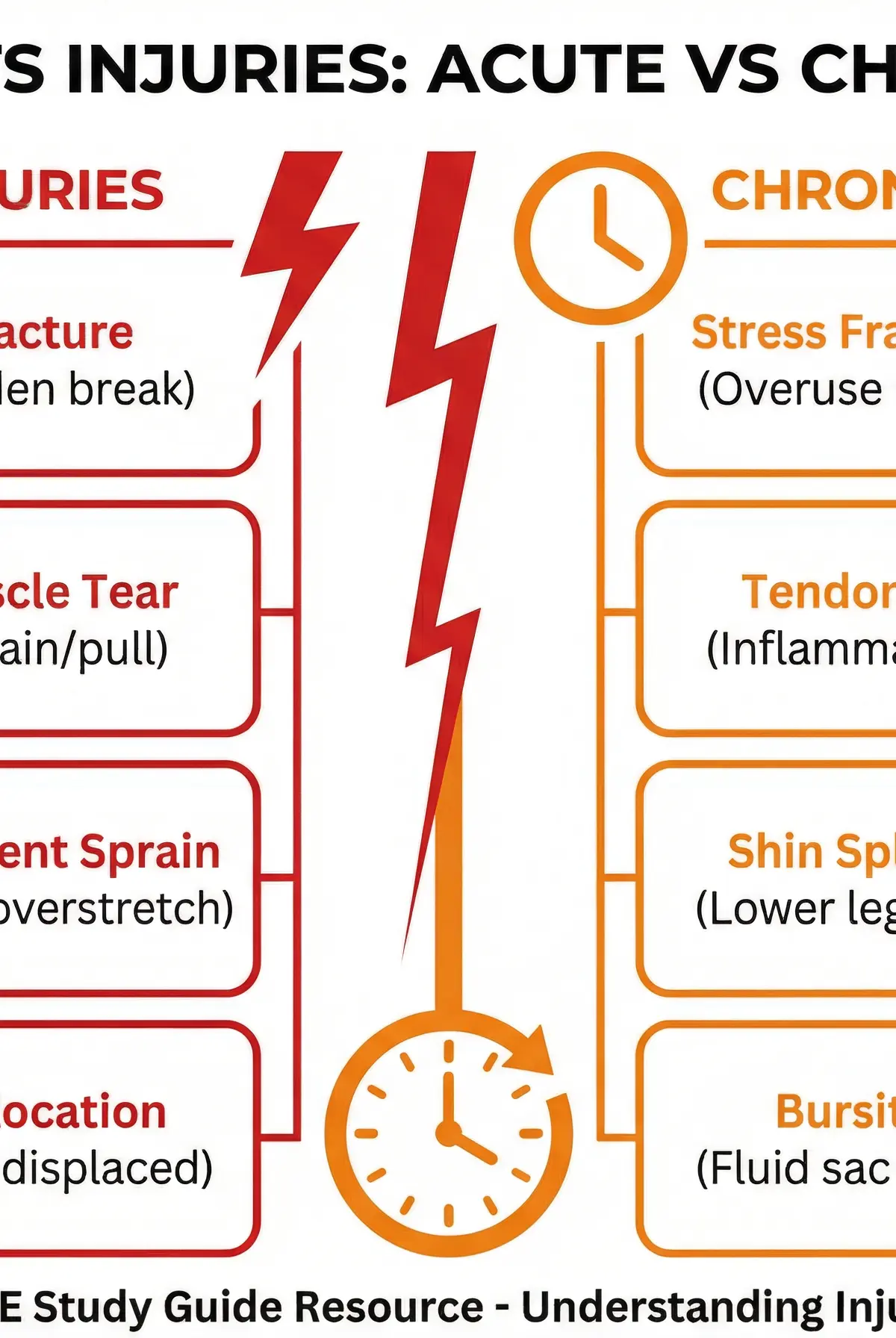
Injuries are broadly classified into two categories: acute and chronic. An acute injury occurs suddenly as a result of a specific traumatic event. The physiological response is immediate, characterised by pain, swelling, and loss of function. Examples include a fractured tibia in a rugby tackle or a dislocated shoulder in judo. A chronic injury (or overuse injury) develops gradually over a period of time due to repeated mechanical stress without adequate recovery. The onset of pain is gradual. Examples include Achilles tendonitis in distance runners or tennis elbow (lateral epicondylitis).
Risk Factors
Understanding why injuries occur requires an analysis of risk factors, which are divided into intrinsic and extrinsic categories. Intrinsic factors are internal to the athlete. These include age (reduced tissue elasticity), previous injury history (scar tissue formation reducing tensile strength), poor biomechanics (e.g., overpronation), and muscular imbalances. Extrinsic factors are external variables. These include the quality of equipment (e.g., worn footwear), playing surface conditions (e.g., hard artificial turf increasing impact forces), coaching quality, and environmental factors (e.g., extreme cold reducing muscle elasticity).
The Physiology of Warm-Ups
Examiners frequently assess the physiological justification for warm-ups. A generic statement that 'it prevents injury' will not be awarded marks. You must explain why. A warm-up increases core and muscle temperature, which in turn increases the rate of enzyme activity for energy metabolism. The elasticity of muscle fibres and connective tissue improves, increasing the range of motion and reducing the risk of strains. Furthermore, increased blood flow enhances oxygen delivery to the working muscles, and synovial fluid becomes less viscous, improving joint lubrication.
Technical Vocabulary
- Vasoconstriction: The narrowing of blood vessels, reducing blood flow to an area.
- Vasodilation: The widening of blood vessels, increasing blood flow.
- Oedema: Swelling caused by excess fluid trapped in the body's tissues.
- Analgesic: A pain-relieving effect.
- Proprioception: The body's ability to sense its position and movement in space.
- Mechanoreceptors: Sensory receptors (like muscle spindles) that respond to mechanical pressure or distortion.
Practical Skills & Rehabilitation
Injury Management: The RICE Protocol
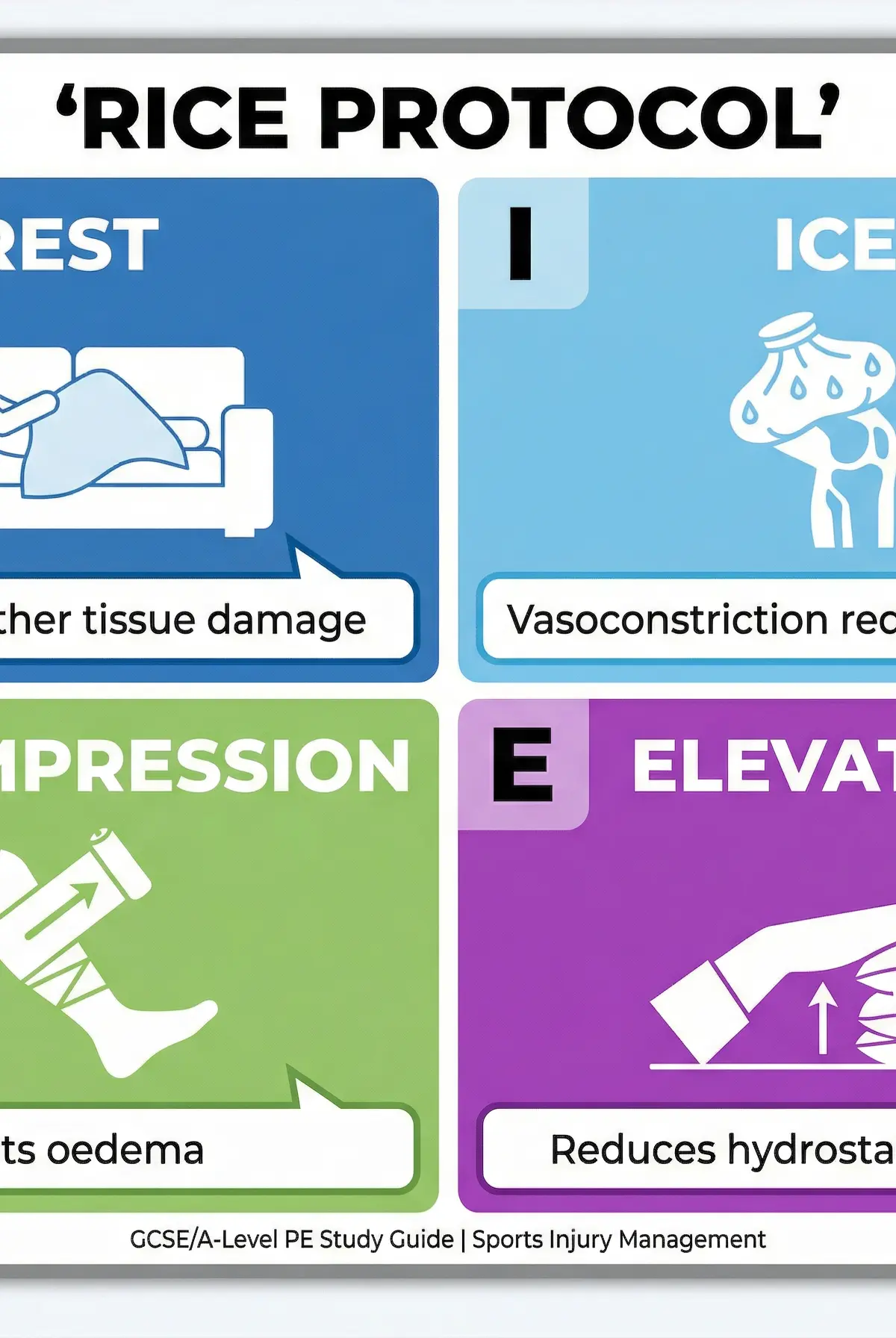
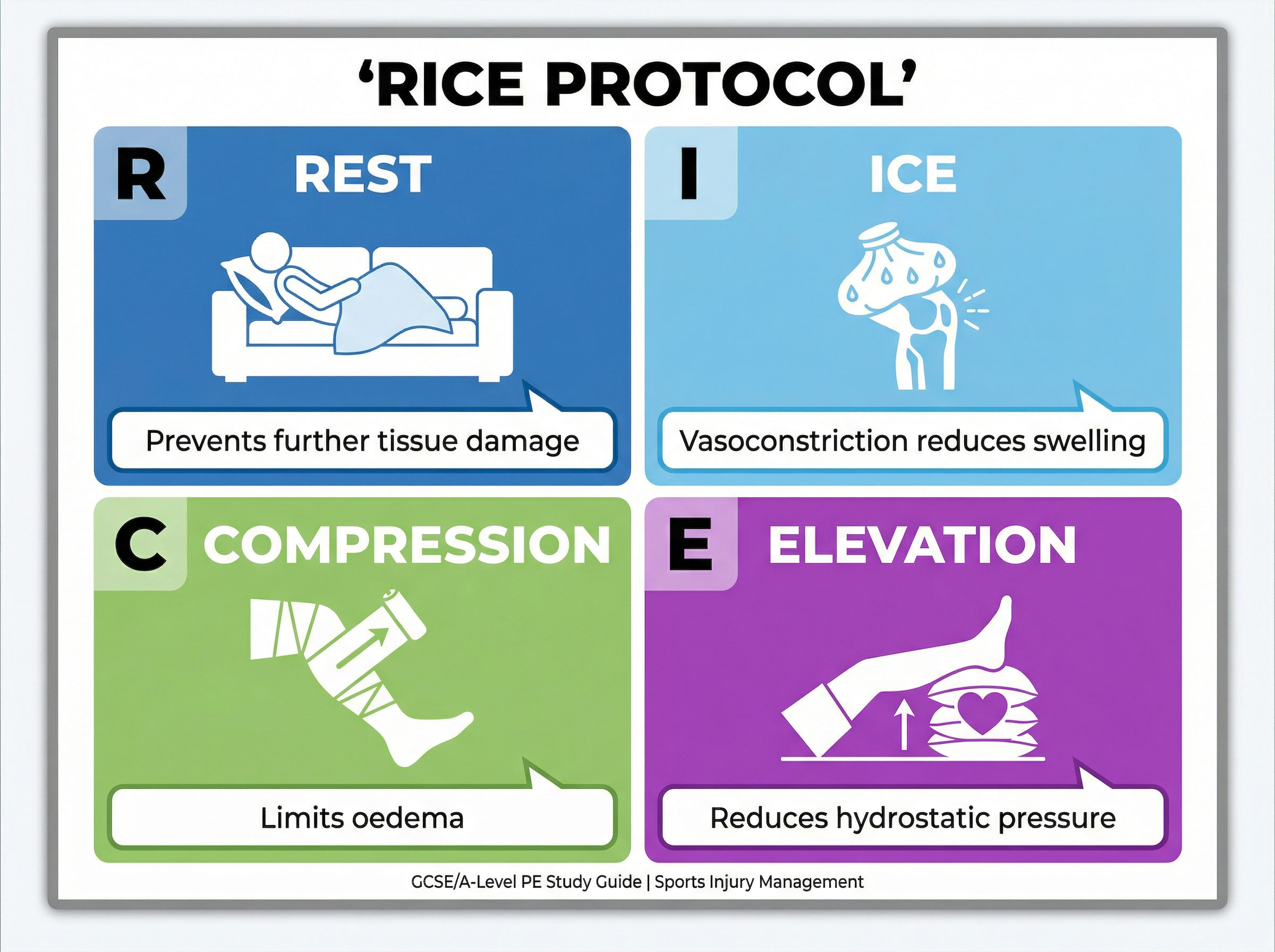
The immediate management of an acute soft tissue injury follows the RICE protocol. Candidates must link each step to its physiological effect:
- Rest: Prevents further structural damage to the tissue.
- Ice: Induces vasoconstriction, which reduces blood flow to the area, thereby limiting the extravasation of fluid and reducing oedema. It also has an analgesic effect by decreasing nerve conduction velocity.
- Compression: Applies external pressure to limit swelling and provide mechanical support.
- Elevation: Reduces hydrostatic pressure in the capillaries, decreasing the accumulation of tissue fluid.
Advanced Rehabilitation Methods
Cryotherapy
Cryotherapy involves the application of cold temperatures to treat injury. It reduces inflammation, muscle spasm, and metabolic demand in the injured tissue. However, prolonged exposure can trigger the 'hunting response'—an alternating cycle of vasoconstriction and vasodilation designed to prevent tissue damage from ischemia.
Hydrotherapy
Hydrotherapy utilises water for rehabilitation. The buoyancy of water reduces the effective body weight, allowing for early weight-bearing exercises with significantly reduced joint loading. The hydrostatic pressure of the water also assists in reducing oedema, while warm water promotes vasodilation and muscle relaxation.
Proprioceptive Training
Following an injury, mechanoreceptors (such as muscle spindles and Golgi tendon organs) are often damaged, impairing the athlete's balance and coordination. Proprioceptive training involves exercises (e.g., using wobble boards) to retrain these pathways, restoring neuromuscular control and reducing the risk of re-injury.
Exam Component
Written Exam Knowledge
In the theoretical paper, you will be assessed on your ability to define terms, explain physiological mechanisms, and evaluate rehabilitation strategies. Ensure you use specific sporting examples to contextualise your answers.
Extended Response Questions
For 8 or 15-mark questions, the focus is on AO3 (Analysis and Evaluation). You must weigh the physiological benefits of a rehabilitation method against practical limitations. For example, while hyperbaric oxygen therapy significantly accelerates tissue repair by increasing oxygen partial pressure, it is expensive, requires specialist equipment, and is generally inaccessible to amateur athletes. Always conclude with a reasoned judgement.

Interactive Diagrams
1 interactive diagram to visualise key concepts
Conceptual Flow Outline
Injury management and rehabilitation pathway
Worked Examples
3 worked examples — open one to explore the question and available guidance.
Practice Questions
Test your understanding — click to reveal model answers
Identify two intrinsic risk factors for sports injuries. (2 marks)
Hint: Think about factors that are internal to the athlete's own body.
Explain how proprioceptive training aids recovery following a severe ankle sprain. (4 marks)
Hint: Consider what happens to the sensory receptors during an injury and how balance exercises help.
Evaluate the effectiveness of whole-body cryotherapy compared to traditional ice baths for an elite rugby team during a tournament. (8 marks)
Hint: Discuss the physiological benefits of both, but heavily weigh the practical considerations (cost, time, accessibility) in your evaluation.