WJEC · GCSE · Physical Education
Nutrition and Diet
This comprehensive guide explores Exercise Physiology, focusing on the three energy systems (ATP-PCr, Glycolytic, Aerobic), training zones, and the critical role of nutrition in performance. It equips students with the scientific knowledge to analyse how the body responds to exercise intensity and duration, a fundamental component of the PE specification.
- 7 min read
- 3 worked examples
- 4 practice questions
- 6 key terms
Study Notes

Overview
Exercise Physiology is the scientific study of how the human body functions during physical activity. It sits at the very heart of the Physical Education specification because it explains the biological 'why' behind every training method and athletic performance. At this level, you are expected to move beyond simple descriptions and demonstrate a deep understanding of the interplay between energy systems, training intensity, and nutritional support. Whether you are analysing a 100m sprint or a marathon, the physiological principles remain the key to unlocking high marks.
Key Knowledge & Theory
Core Concepts: Energy Systems
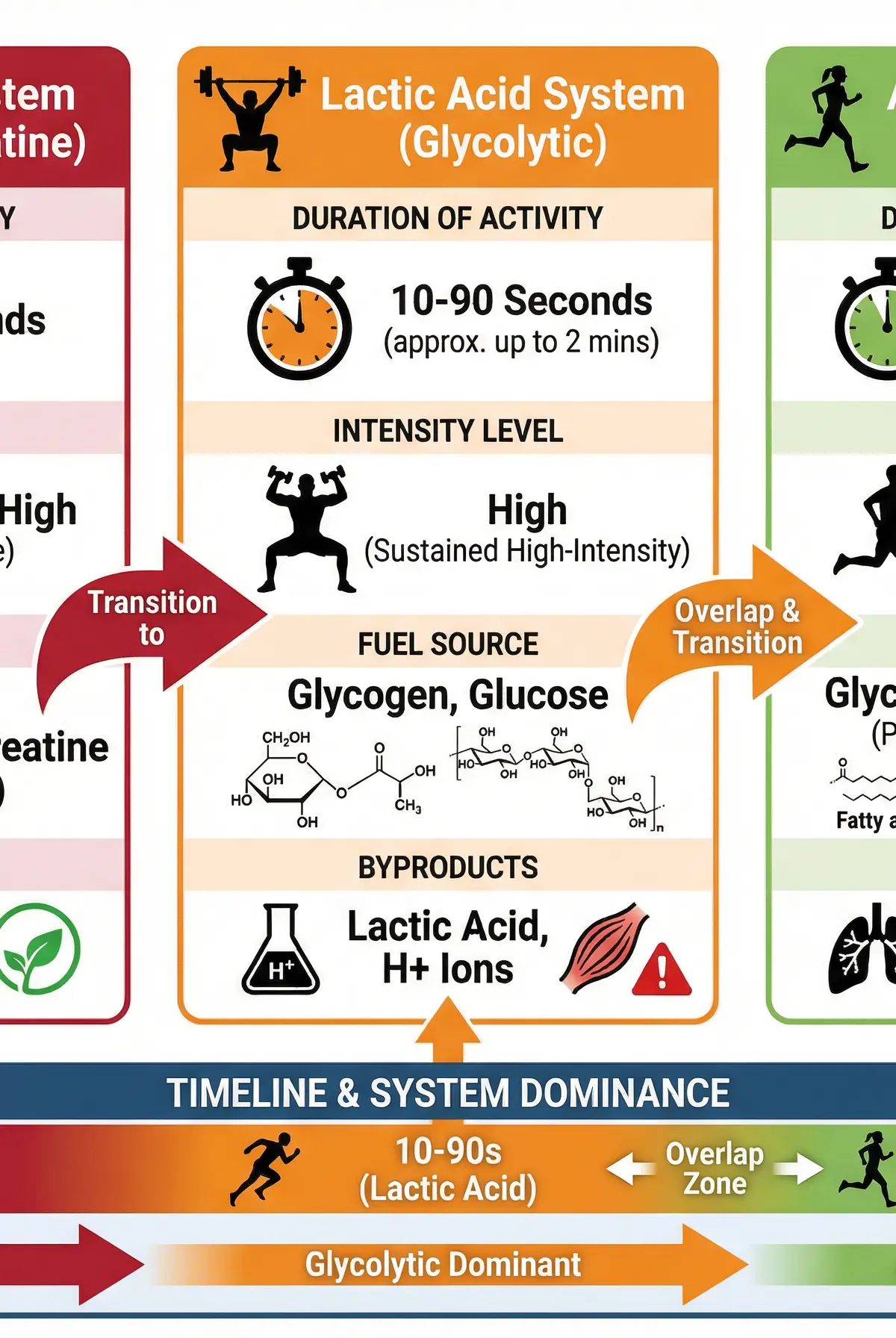
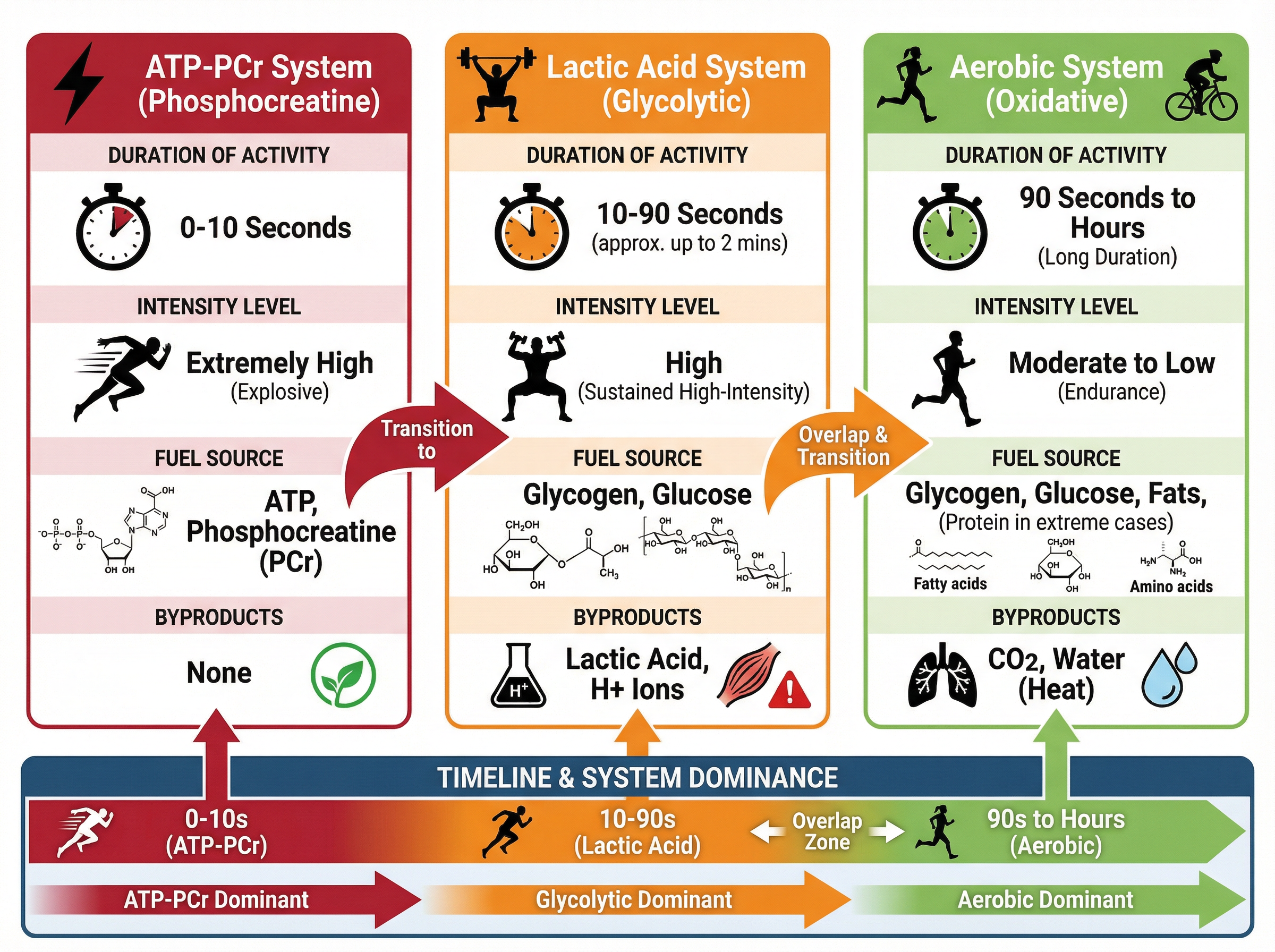
The body requires Adenosine Triphosphate (ATP) for all muscle contractions. Since ATP stores are limited, the body resynthesises it using three distinct systems. Examiners expect you to know the fuel, duration, intensity, and byproducts of each.
1. ATP-PCr System (Alactic Anaerobic)
- Fuel: Phosphocreatine (PCr) stored in muscles.
- Duration: 0–10 seconds.
- Intensity: Maximal / Explosive (95–100% effort).
- Byproducts: None (fatigue caused by PCr depletion).
- Sporting Example: 100m sprint, shot put, weightlifting clean & jerk.
2. Glycolytic System (Lactic Acid System)
- Fuel: Glycogen and Glucose.
- Duration: 10 seconds – 3 minutes (dominant 10–90s).
- Intensity: High (80–95% effort).
- Byproducts: Lactic Acid (dissociates into Lactate and Hydrogen ions H+). Accumulation of H+ lowers muscle pH, inhibiting enzyme activity and causing fatigue.
- Sporting Example: 400m sprint, 100m swim, repeated rugby tackles.
3. Aerobic System (Oxidative)
- Fuel: Glycogen, Glucose, and Fats (Free Fatty Acids).
- Duration: 3 minutes onwards (theoretically indefinite).
- Intensity: Low to Moderate (up to 80% effort).
- Byproducts: Carbon Dioxide (CO2) and Water (H2O) – non-fatiguing.
- Sporting Example: Marathon, triathlon, Tour de France cycling.
Training Zones & Thresholds
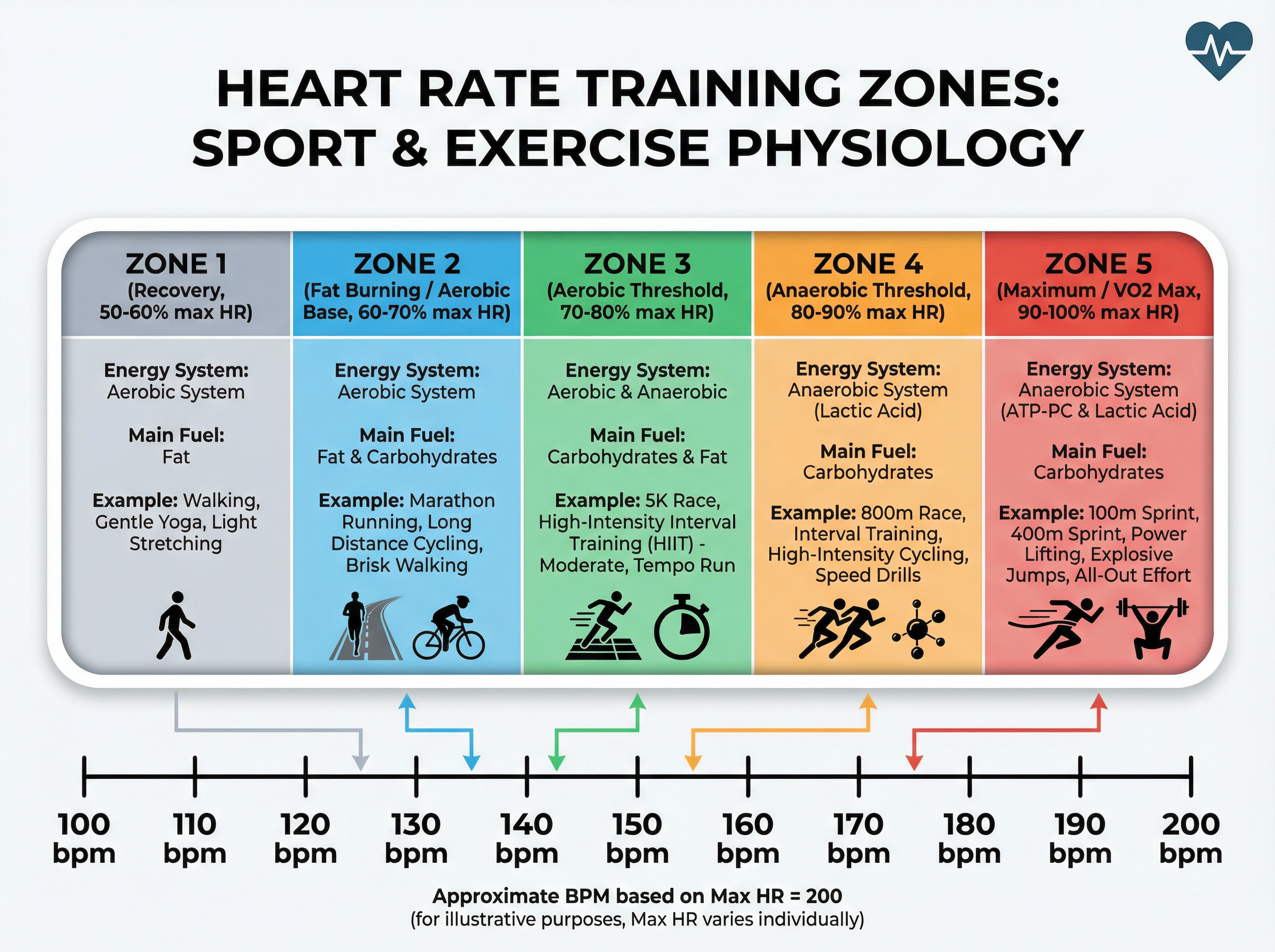
Training zones are calculated as a percentage of Maximum Heart Rate (MHR = 220 – Age). Training in specific zones elicits specific physiological adaptations.
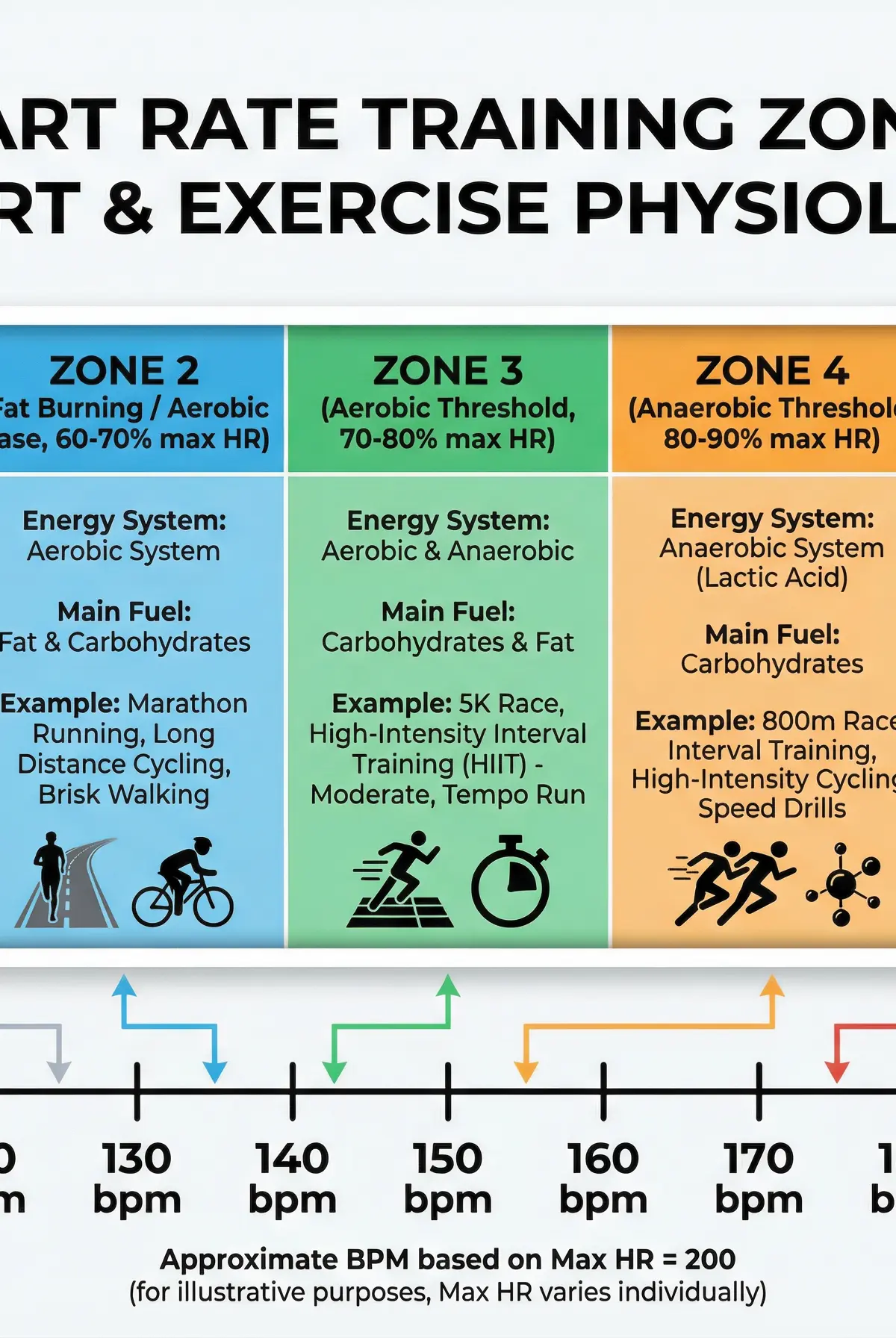
- Aerobic Zone (60-80% MHR): Improves cardiovascular endurance and fat oxidation. The 'Aerobic Threshold' is the point where anaerobic energy pathways start to contribute significantly.
- Anaerobic Zone (80-90% MHR): Improves lactate tolerance. The 'Anaerobic Threshold' (or Lactate Threshold) is the critical intensity where lactate accumulates faster than it can be cleared. This is a key predictor of endurance performance.
- VO2 Max: The maximum volume of oxygen uptake (ml/kg/min). It is the gold standard measure of aerobic fitness.
Nutrition for Performance
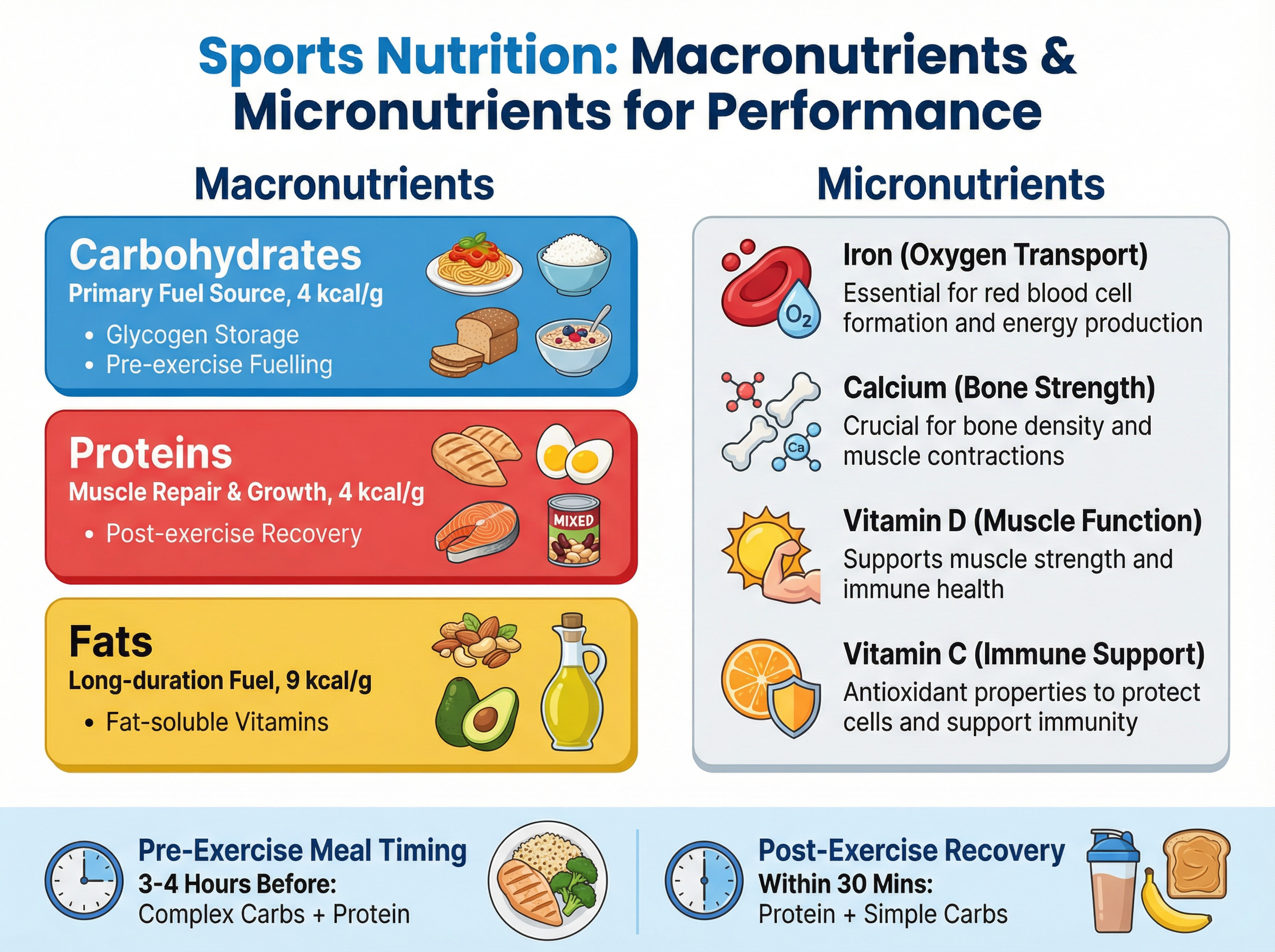
Diet must be periodised to match training demands. Examiners look for specific links between nutrients and their physiological roles.
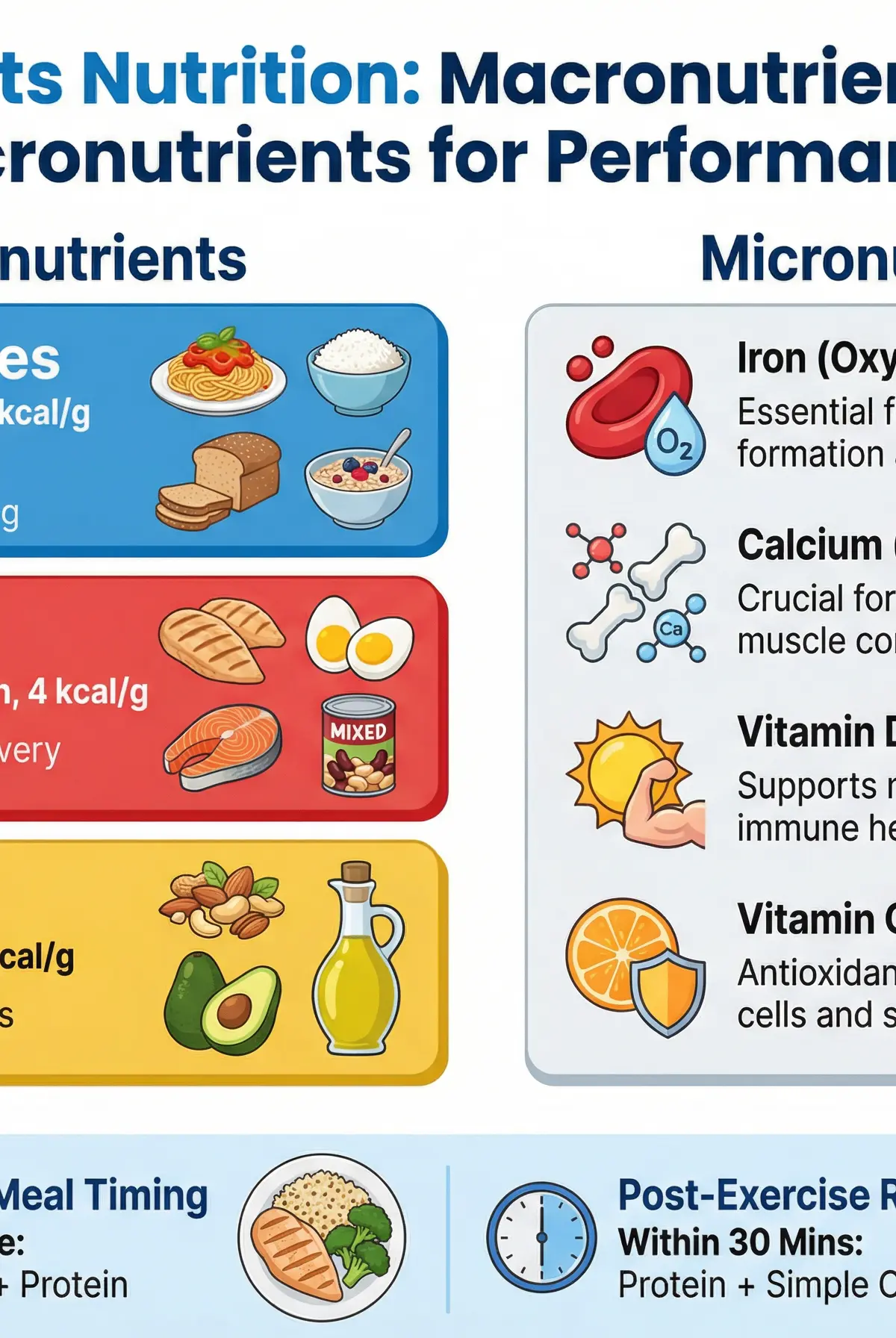
- Carbohydrates (CHO): The primary fuel for high-intensity work. Stored as glycogen. 'Carbo-loading' creates super-compensated glycogen stores for endurance events.
- Proteins: Essential for muscle repair and hypertrophy (growth). Post-exercise intake (the 'anabolic window') is crucial for recovery.
- Fats: The primary fuel for low-intensity, long-duration exercise. Essential for absorbing vitamins A, D, E, K.
- Hydration: Dehydration increases blood viscosity, reducing blood flow to muscles and skin, leading to cardiovascular drift and overheating.
Podcast: Master Exercise Physiology
Listen to this 10-minute deep dive into energy systems and nutrition. Perfect for revision on the go.

Practical Skills
Techniques & Processes
Calculating Training Zones
- Calculate Max Heart Rate (220 - Age).
- Multiply by desired intensity (e.g., 0.80 for 80%).
- Advanced: Use the Karvonen Formula which accounts for Resting Heart Rate (RHR) for greater accuracy:
Target HR = ((MHR - RHR) × %Intensity) + RHR.
Conducting the Multi-Stage Fitness Test (Bleep Test)
- Objective: Estimate VO2 Max.
- Protocol: 20m shuttle runs at progressively increasing speeds dictated by audio bleeps. Candidates must run until exhaustion.
- Validity: High correlation with VO2 max, but maximal effort is required.
Materials & Equipment
- Heart Rate Monitors: Essential for ensuring athletes train in the correct physiological zone.
- Lactate Analysers: Used by elite athletes to pinpoint the exact anaerobic threshold by measuring blood lactate concentration (mmol/L) from a finger prick.
Portfolio/Coursework Guidance
Assessment Criteria
- Analysis: Don't just record data; explain why it happened. "My heart rate increased to 180bpm because the intensity demanded a switch to the glycolytic system."
- Evaluation: Compare your results to normative data (e.g., "My VO2 max of 52 ml/kg/min places me in the 'Excellent' category for my age group").
- Programme Design: Justify your training methods using physiological principles (e.g., "I used interval training to improve my lactate threshold").
Building a Strong Portfolio
- Include graphs of heart rate data overlaid with training zones.
- Show evidence of pre- and post-testing to demonstrate physiological adaptations (e.g., lowered resting heart rate indicating cardiac hypertrophy).
Exam Component
Written Exam Knowledge
- Extended Questions (9 marks): Often ask you to analyse the energy demands of a specific sport (e.g., football) and justify a training and nutrition plan. You must discuss the intermittent nature of the game (sprinting vs. jogging) and how different energy systems interact.
- Graph Interpretation: Be prepared to interpret lactate threshold graphs or oxygen dissociation curves.
Practical Exam Preparation
- Fitness Testing: Ensure you are familiar with the protocols for VO2 max tests (Cooper Run, Bleep Test) and anaerobic power tests (Wingate Test, Vertical Jump).
- Verbal Analysis: During practical moderation, you may be asked to explain your warm-up. Use terms like "increasing muscle temperature to improve enzyme activity" and "dynamic stretching to maintain elasticity."
Visual Resources
3 diagrams and illustrations
Interactive Diagrams
1 interactive diagram to visualise key concepts
Conceptual Flow Outline
Energy System Selection Flowchart
Worked Examples
3 worked examples — open one to explore the question and available guidance.
Practice Questions
Test your understanding — click to reveal model answers
Define the term 'Aerobic Power' and identify one test used to measure it.
Hint: Think about the ability to sustain work and tests involving running for distance or time.
Explain why a cool-down is important for a 400m sprinter.
Hint: Focus on what has accumulated in the blood during the race and the venous return mechanism.
Analyse the impact of a high-fat diet on the performance of an elite weightlifter vs. an elite ultra-marathon runner.
Hint: Consider the primary fuel source for the specific intensity of each sport.
Evaluate the use of interval training for a games player (e.g., Rugby, Netball).
Hint: Does the training match the demands of the game?