Subject: Business | Level: GCSE | Exam Board: AQA
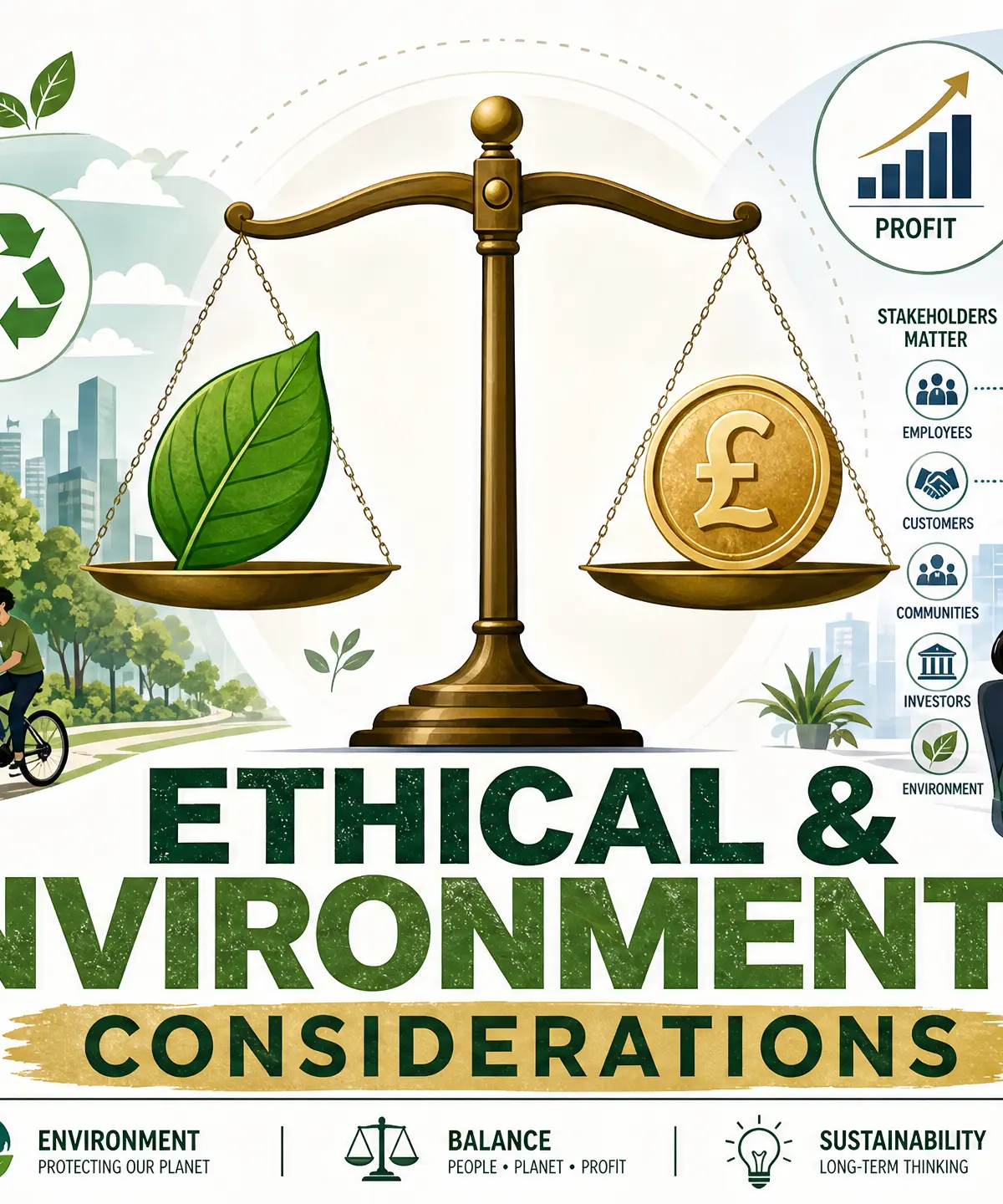
Master the delicate balance between ethical responsibility, environmental sustainability, and profit maximization. This study guide breaks down exactly how examiners want you to analyse the costs and benefits of doing the 'right thing' in business.
Revision Notes & Key Concepts
Revision Podcast Transcript
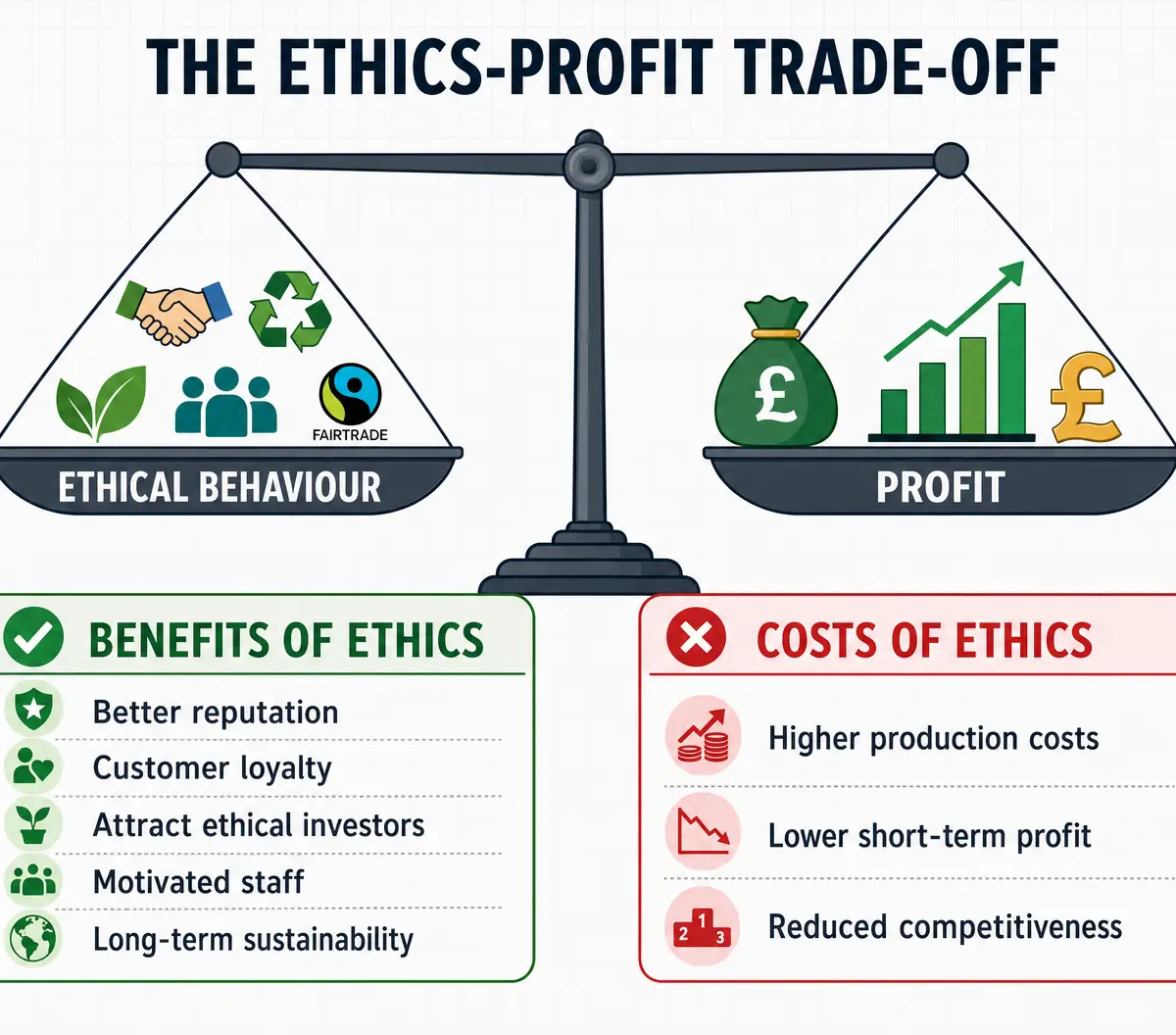
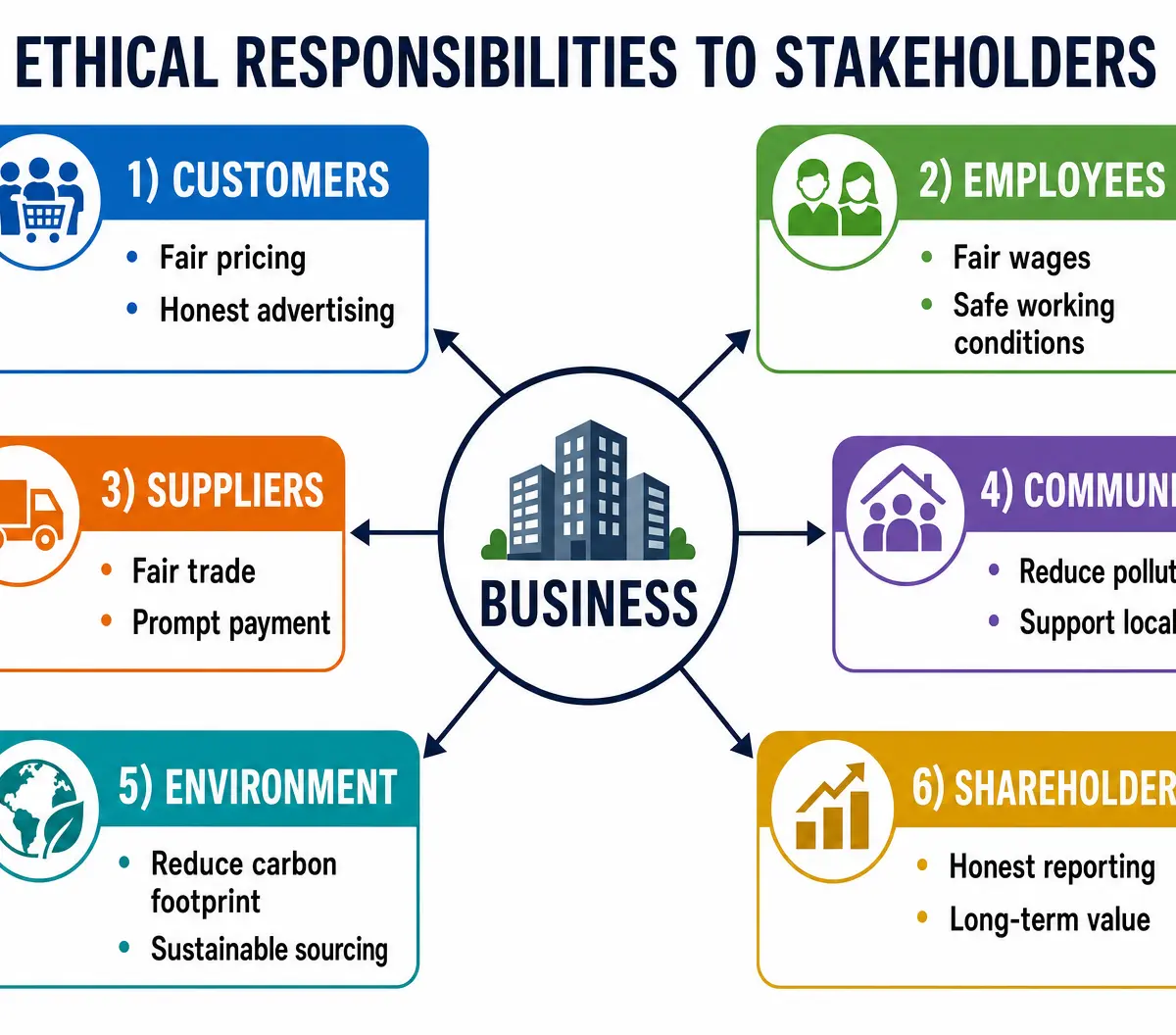
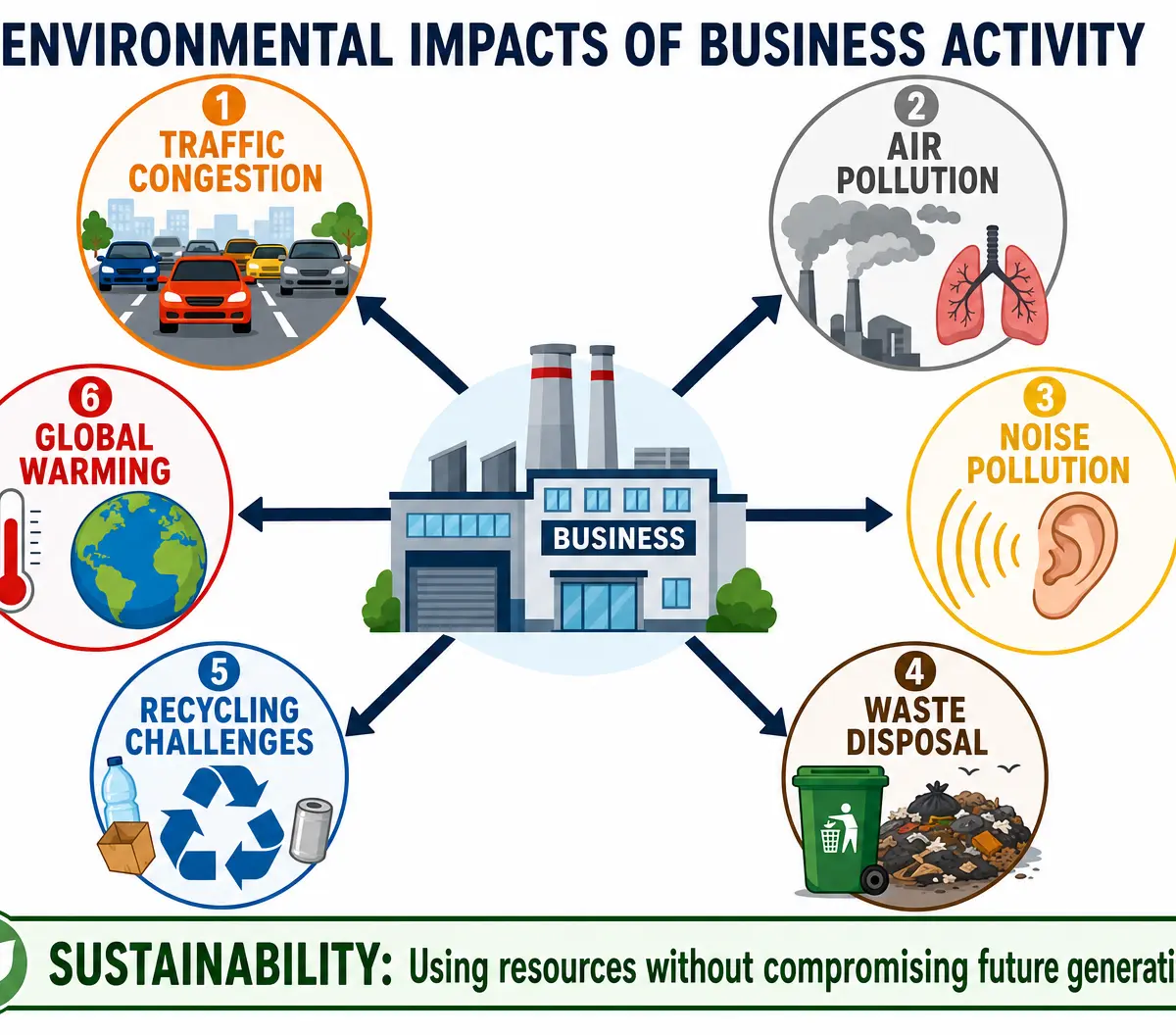
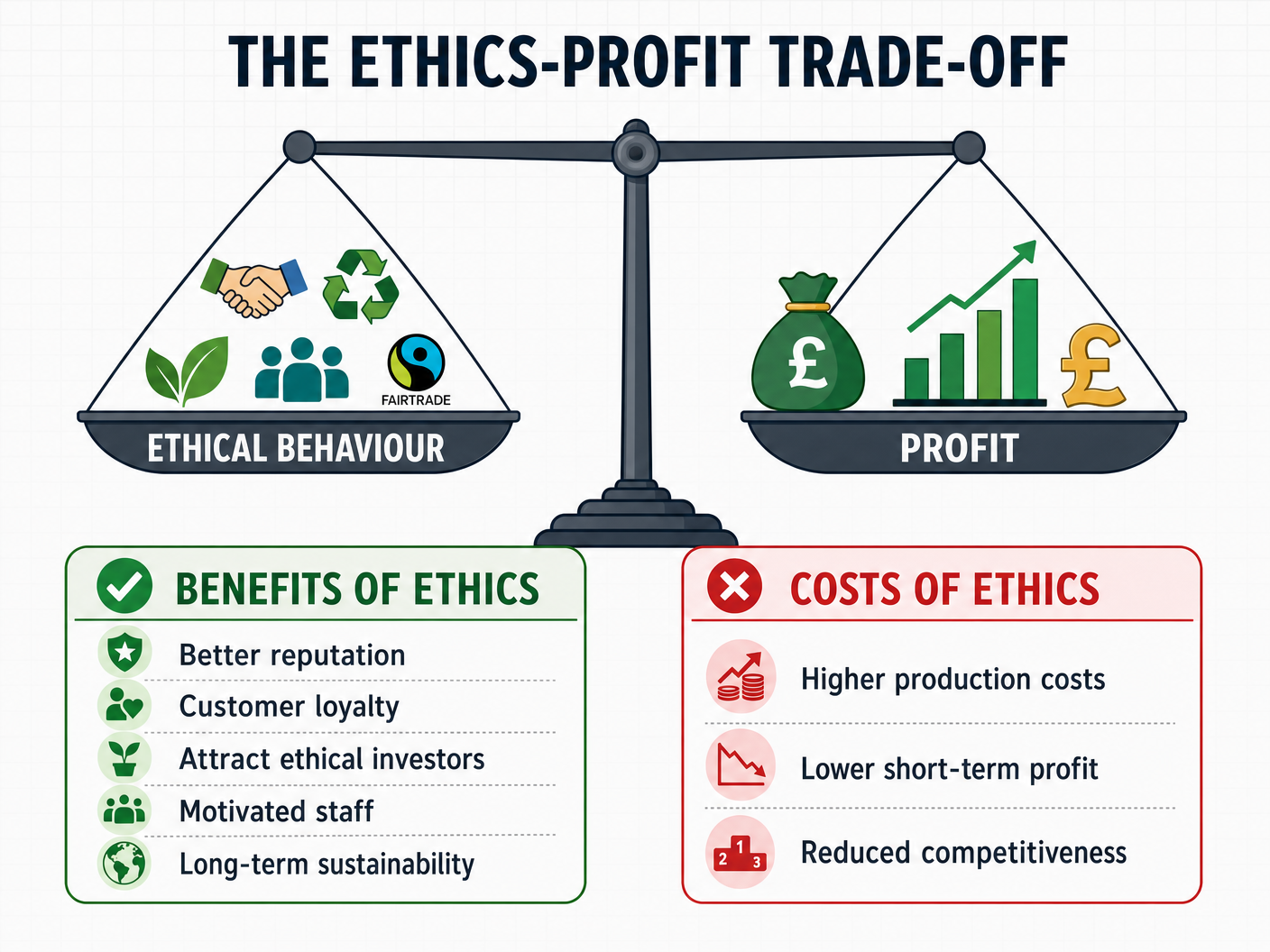
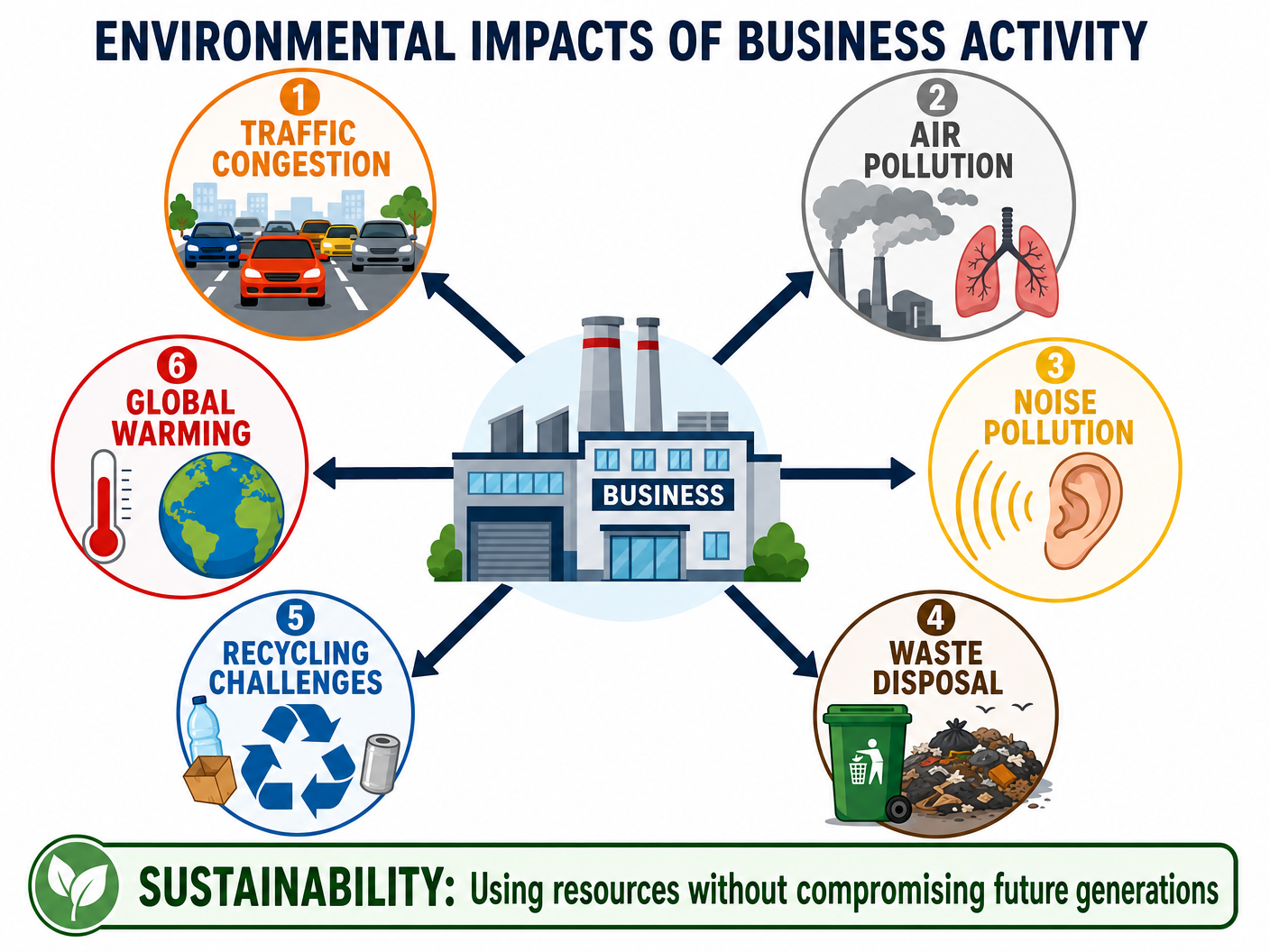
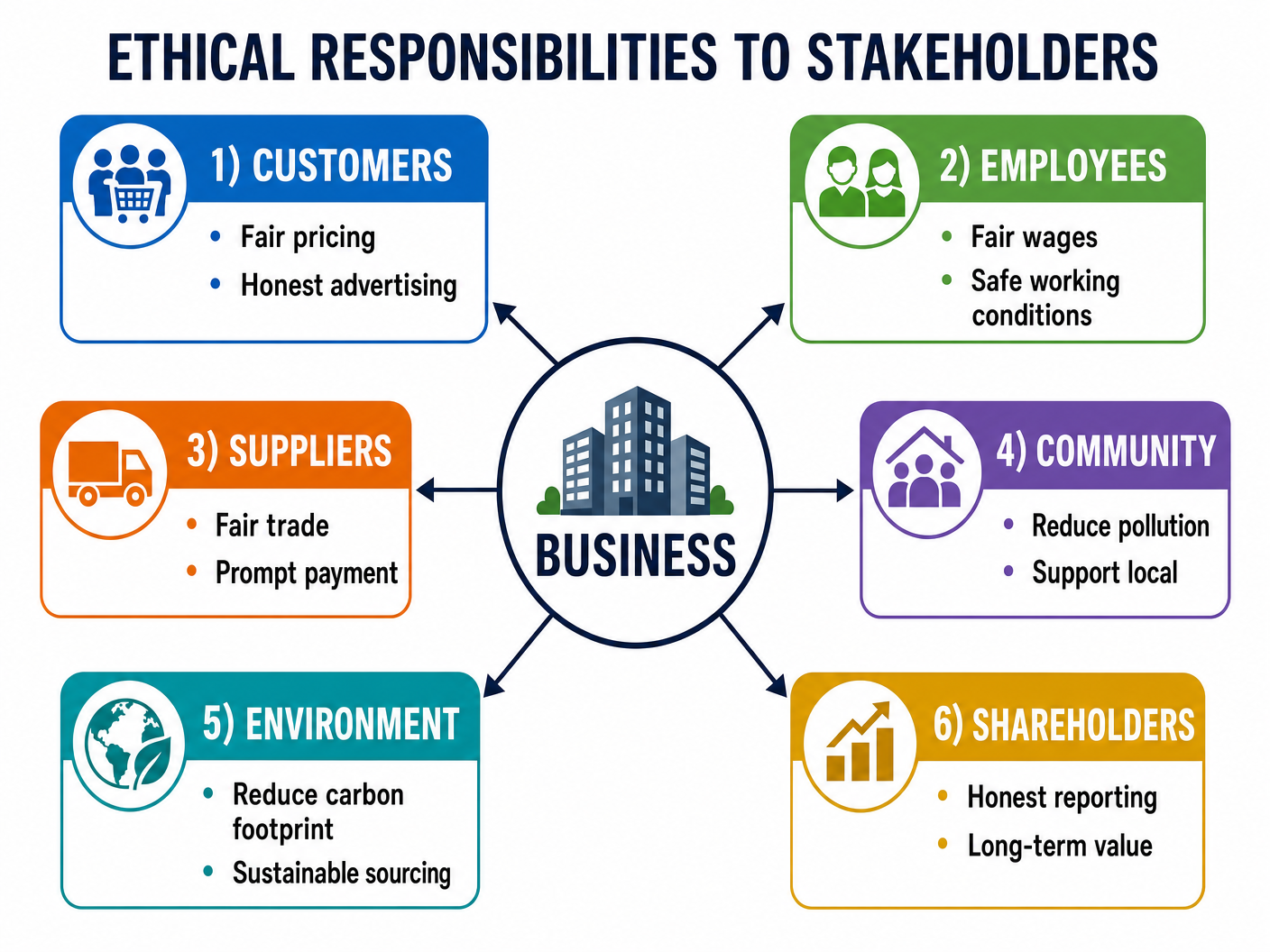
GCSE Business Studies Podcast — Ethical and Environmental Considerations Duration: Approximately 10 minutes Voice: Female, warm, conversational, enthusiastic tutor tone --- [INTRO — 1 minute] Hello and welcome to your GCSE Business revision podcast! I'm so glad you're here, because today we're diving into one of the most relevant and genuinely fascinating topics in the whole specification — Ethical and Environmental Considerations. And I promise you, this topic is not just important for your exam — it's something that affects every single business decision made in the real world, right now, today. So whether you're revising for the first time or doing a final check before your exam, this episode is going to walk you through everything you need to know. We'll cover the key concepts, look at real-world examples, go through the most common exam mistakes, and finish with a quick-fire quiz to test your recall. By the end of this episode, you'll be ready to tackle any question the examiner throws at you on this topic. Let's get started. --- [CORE CONCEPTS — 5 minutes] Section one: What does ethical behaviour actually mean? In business, ethical behaviour means acting in a way that stakeholders consider to be fair, honest, and responsible. Now, that's a definition worth memorising — because in the exam, if a question asks you to define ethical behaviour, that's exactly what you need to say. Acting in ways that stakeholders consider fair and honest. Notice the word stakeholders there. That's important. Ethical behaviour isn't just about following the law — it goes beyond legal requirements. A business might be doing something perfectly legal, but stakeholders — customers, employees, the local community — might still consider it unethical. For example, a clothing company might legally pay workers in another country very low wages, but many people would consider that unethical. This is a critical distinction that examiners love to test: ethical is not the same as legal. Now, why does this matter for businesses? Well, there's a fundamental trade-off at the heart of this topic — the trade-off between ethics and profit. Behaving ethically often costs money. Using sustainably sourced materials is more expensive. Paying workers fair wages in supply chains costs more. Reducing pollution requires investment in cleaner technology. All of these things increase costs, which reduces profit — at least in the short term. But here's where it gets interesting. Behaving ethically can also bring significant benefits. A business with a strong ethical reputation can attract more customers, particularly as consumers become increasingly aware of social and environmental issues. Think about brands like Patagonia, the outdoor clothing company, which built its entire identity around environmental responsibility — and it's hugely profitable. Or think about the Fairtrade movement, where consumers willingly pay more for products that guarantee fair wages to farmers. Ethical behaviour can also attract and retain talented employees who want to work for a company they're proud of. It can attract ethical investors — people and funds that specifically look for responsible businesses to invest in. And it can protect the business from reputational damage, which in the age of social media can be absolutely devastating. So when you're answering an exam question about ethics, always think about both sides: the costs — higher expenses, potentially lower short-term profit — and the benefits — better reputation, customer loyalty, staff motivation, long-term sustainability. --- Section two: Environmental impacts of business activity. Now let's talk about the environment. Businesses have a significant impact on the natural world, and your specification requires you to know about specific environmental issues. Let me run through the key ones. First: traffic congestion. Businesses generate traffic — delivery lorries, employees commuting, customers travelling to stores. This contributes to congestion on roads, which increases journey times, raises carbon emissions, and frustrates local communities. A large distribution centre, for example, might generate hundreds of lorry movements per day. Second: air pollution. Manufacturing processes, vehicle emissions, and energy use all contribute to air pollution. This includes the release of carbon dioxide, which is a greenhouse gas contributing to global warming, as well as other harmful pollutants that affect human health. Third: noise pollution. Factories, construction sites, busy retail areas — all of these generate noise that can disturb local residents and wildlife. This is particularly relevant for businesses operating near residential areas. Fourth: waste disposal. Businesses generate enormous amounts of waste — packaging, manufacturing by-products, food waste in the hospitality industry. Disposing of this waste responsibly is both a cost and a challenge. Landfill sites are filling up, and there is increasing pressure on businesses to reduce waste at source. Fifth: recycling. Linked to waste disposal, businesses are increasingly expected to recycle materials rather than simply discarding them. Some businesses have made recycling a core part of their operations — for example, manufacturers who use recycled materials in their products. And sixth — and this is the big one for sustainability: global warming and the use of scarce resources. Global warming, driven largely by greenhouse gas emissions from human activity including business operations, poses a long-term threat to the planet. Scarce resources — things like fossil fuels, rare metals, fresh water — are being used up faster than they can be replenished. This is where the concept of sustainability becomes crucial. --- Section three: Sustainability and the trade-off with profit. Sustainability means meeting the needs of the present without compromising the ability of future generations to meet their own needs. That's another definition worth knowing word for word. Sustainable business practices might include using renewable energy sources like solar or wind power, sourcing materials from sustainably managed forests, reducing packaging, designing products to last longer and be repaired rather than thrown away, or offsetting carbon emissions. Now, here's the trade-off again — and this time it's the sustainability versus profit trade-off. Sustainable practices often cost more upfront. Renewable energy installations require capital investment. Sustainably sourced materials often cost more than conventional alternatives. Reducing packaging might require redesigning products. All of this hits the bottom line. However — and this is really important for your evaluation questions — the long-term picture is different. Energy costs may fall once renewable infrastructure is in place. Consumer demand for sustainable products is growing, meaning businesses that invest in sustainability now may gain competitive advantage in the future. And there is increasing regulatory pressure from governments — businesses that don't adapt may face fines or restrictions down the line. Examiners really want to see you engage with this long-term versus short-term tension. A business that prioritises short-term profit by ignoring environmental responsibilities might save money now but damage its reputation, face regulatory penalties, or find itself unable to operate sustainably in the future. The key insight for your exam is this: both businesses and consumers are increasingly accepting greater environmental responsibility in their decision-making. Consumers are choosing ethical brands. Businesses are responding to that demand. This creates a virtuous cycle — but it's not without cost, and that cost-benefit analysis is exactly what examiners want you to demonstrate. --- [EXAM TIPS AND COMMON MISTAKES — 2 minutes] Right, let's talk exam technique. This is where marks are won and lost. Tip number one: always link ethical or environmental actions back to profit. This is the number one mistake candidates make. They describe what a business does — for example, "the business uses recycled packaging" — but they don't explain the impact on profit. You must make that link explicit. Say something like: "Using recycled packaging increases production costs, which reduces the business's profit margin in the short term. However, it may attract environmentally conscious customers, increasing sales revenue and potentially offsetting the higher costs." Tip number two: do not confuse ethical with legal. Ethical behaviour goes beyond what the law requires. If a question asks about ethical behaviour, don't just talk about following regulations — talk about going above and beyond what is legally required. Tip number three: use real-world examples. Examiners love specific examples. Think about companies like Patagonia, Ben and Jerry's, or Marks and Spencer's Plan A sustainability programme. Even if you can't remember exact figures, naming a real company and explaining what they do ethically or environmentally will earn you marks. Tip number four: when a question mentions a trade-off, you must discuss both sides. If the question is about the trade-off between sustainability and profit, you cannot just write about one side. You need to explain why profit might fall — higher costs of sustainable materials, for example — and why it might also rise — better reputation, customer loyalty, long-term cost savings. Tip number five: for evaluation questions — those that say "do you think" or "to what extent" — you must reach a clear, justified judgement. Don't sit on the fence. Make a decision and explain why. For example: "Overall, I believe that behaving ethically is beneficial for a business in the long run, because while costs may increase in the short term, the reputational benefits and growing consumer demand for ethical products mean that ethical businesses are better positioned for long-term success." Tip number six: apply your answer to the specific business in the question. Generic answers — ones that could apply to any business — will not reach the highest marks. Always refer back to the context given in the question. --- [QUICK-FIRE RECALL QUIZ — 1 minute] Okay, quiz time! I'll ask a question, pause for a few seconds, then give you the answer. Ready? Question one: What is the definition of ethical behaviour in business? Pause... Acting in ways that stakeholders consider to be fair and honest. Question two: Name three specific environmental impacts of business activity. Pause... Any three from: traffic congestion, air pollution, noise pollution, waste disposal, recycling challenges, global warming, use of scarce resources. Question three: What is sustainability? Pause... Meeting the needs of the present without compromising the ability of future generations to meet their own needs. Question four: Give one cost and one benefit of a business behaving ethically. Pause... Cost: higher production costs reducing profit. Benefit: better reputation leading to increased customer loyalty and sales. Question five: What is the key trade-off in this topic? Pause... The trade-off between behaving ethically or sustainably and maximising profit — particularly in the short term. --- [SUMMARY AND SIGN-OFF — 1 minute] Brilliant work getting through this episode! Let's do a super-quick summary of the key points. Ethical behaviour means acting in ways stakeholders consider fair and honest — and it goes beyond just following the law. There is a trade-off between ethics and profit: ethical behaviour often increases costs but can bring long-term benefits including better reputation, customer loyalty, and motivated staff. Environmental impacts of business include traffic congestion, air pollution, noise pollution, waste disposal, recycling, and contributions to global warming through the use of scarce resources. Sustainability means meeting present needs without compromising future generations — and there is a trade-off between sustainability and short-term profit. Both businesses and consumers are increasingly accepting greater environmental responsibility, creating growing demand for ethical and sustainable products and practices. In the exam: always link actions to profit, distinguish ethical from legal, use real examples, discuss both sides of trade-offs, and reach a clear judgement in evaluation questions. You've got this. Good luck in your exam — now go and smash it! --- END OF PODCAST SCRIPT
Key Terms & Definitions
- Ethical Behaviour
- Acting in ways that stakeholders consider to be fair and honest.
- Sustainability
- Meeting the needs of the present without compromising the ability of future generations to meet their own needs.
- Trade-off
- A situation where having more of one thing means having less of another.
- Stakeholders
- Individuals or groups who have an interest in or are affected by the activities of a business.
- Global Warming
- The gradual increase in the overall temperature of the earth's atmosphere generally attributed to the greenhouse effect.
- Fairtrade
- An ethical movement that ensures farmers and workers in developing countries are paid a fair price and have decent working conditions.
Worked Examples
Worked Example
Question: Explain one benefit to a business of behaving ethically. (3 marks)
Solution: One benefit of behaving ethically is an improved brand reputation **(1)**. For example, if a clothing business ensures all its factory workers are paid a fair wage, customers will view the business positively **(1)**. This can lead to increased customer loyalty and higher sales revenue, as consumers are often willing to buy from brands that align with their values **(1)**.
Worked Example
Question: A furniture manufacturer is considering switching to 100% sustainably sourced wood, which will increase raw material costs by 15%. Analyse the impact of this decision on the business. (6 marks)
Solution: One negative impact of switching to sustainably sourced wood is the 15% increase in raw material costs **(AO1)**. Because the business is spending more to manufacture each piece of furniture, its profit margins will decrease **(AO2)**. If the business decides to pass these costs onto the customer by raising prices, they may lose price-sensitive customers to cheaper competitors, leading to a fall in market share **(AO3)**. However, a positive impact is that using 100% sustainable wood will significantly improve the manufacturer's environmental reputation **(AO1)**. As consumers become increasingly concerned about deforestation and global warming, this ethical stance can act as a unique selling point (USP) **(AO2)**. This could attract a new segment of environmentally conscious customers who are willing to pay a premium price, potentially offsetting the higher raw material costs and increasing overall revenue in the long term **(AO3)**.
Worked Example
Question: Evaluate whether a small, newly established coffee shop should prioritise ethical sourcing of its coffee beans over minimising costs. (9 marks)
Solution: **Argument for minimising costs:** For a newly established coffee shop, survival is the primary objective. Ethical sourcing, such as buying Fairtrade coffee beans, is generally more expensive than buying standard beans. This increases the variable costs of the business. Because it is a new business, it may not yet have a large customer base or economies of scale, meaning cash flow will be tight. By minimising costs, the coffee shop can keep its prices low to attract initial customers and ensure it has enough cash to survive its critical first year. **Argument for ethical sourcing:** On the other hand, the coffee market is highly competitive. Prioritising ethical sourcing could provide the new coffee shop with a strong Unique Selling Point (USP). By advertising that their beans guarantee fair wages for farmers, they can attract ethically-minded consumers in the local area. These consumers are often willing to pay a premium price for ethical coffee, which could lead to higher profit margins per cup and build strong customer loyalty from the very beginning. **Conclusion/Judgement:** Overall, I believe the coffee shop should prioritise minimising costs in the short term, but plan to introduce ethical sourcing later. While ethical sourcing provides a good USP, a newly established business has a high risk of failure and must ensure positive cash flow to survive. If they set prices too high initially to cover the cost of ethical beans, they may fail to attract enough customers. Once the business is established and profitable, it can then transition to ethical sourcing to build long-term loyalty.
Practice Questions
Question: State two environmental impacts of business activity. (2 marks)
Answer:
Question: Explain how acting ethically can affect a business's ability to recruit staff. (3 marks)
Answer:
Question: A fast-fashion retailer is facing criticism for the amount of waste its clothing creates in landfill. It is considering introducing a recycling scheme where customers can return old clothes for a discount. Analyse the impact of introducing this scheme on the retailer. (6 marks)
Answer:
Question: Evaluate whether the government should introduce stricter environmental regulations on manufacturing businesses. (9 marks)
Answer:
Question: A supermarket chain wants to improve its ethical image. It is deciding between two options: Option 1: Guaranteeing all suppliers are paid a fair trade price. Option 2: Donating 5% of its annual profits to local community charities. Recommend which option the supermarket should choose. Justify your answer. (12 marks)
Answer: