Subject: Business | Level: GCSE | Exam Board: AQA
Master the crucial role of procurement in modern business operations. This guide covers stock management strategies (JIT vs JIC), supplier selection factors, and how effective supply chain management drives efficiency and reduces unit costs—essential knowledge for high-mark GCSE Business answers.
Revision Notes & Key Concepts
Revision Podcast Transcript
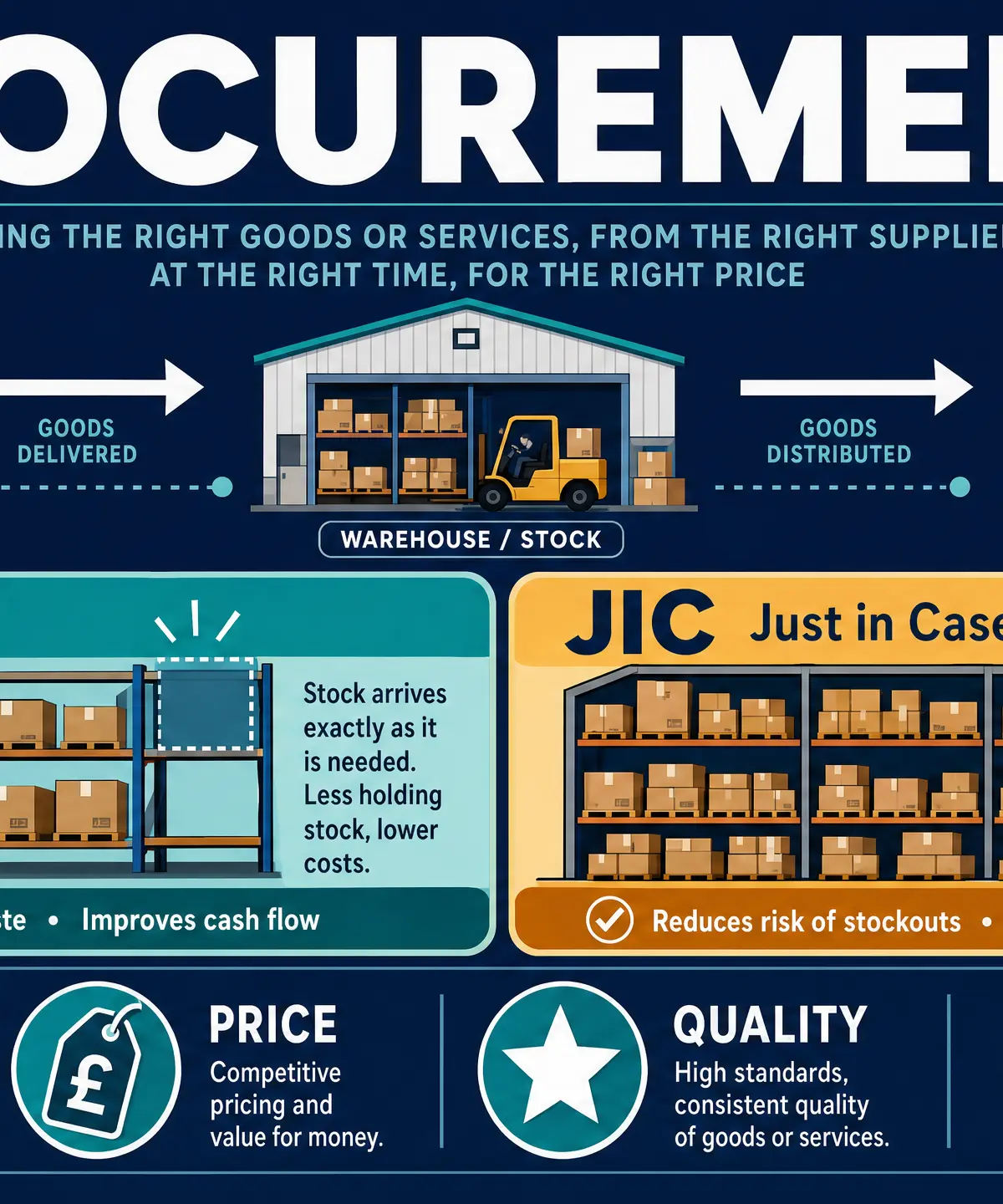
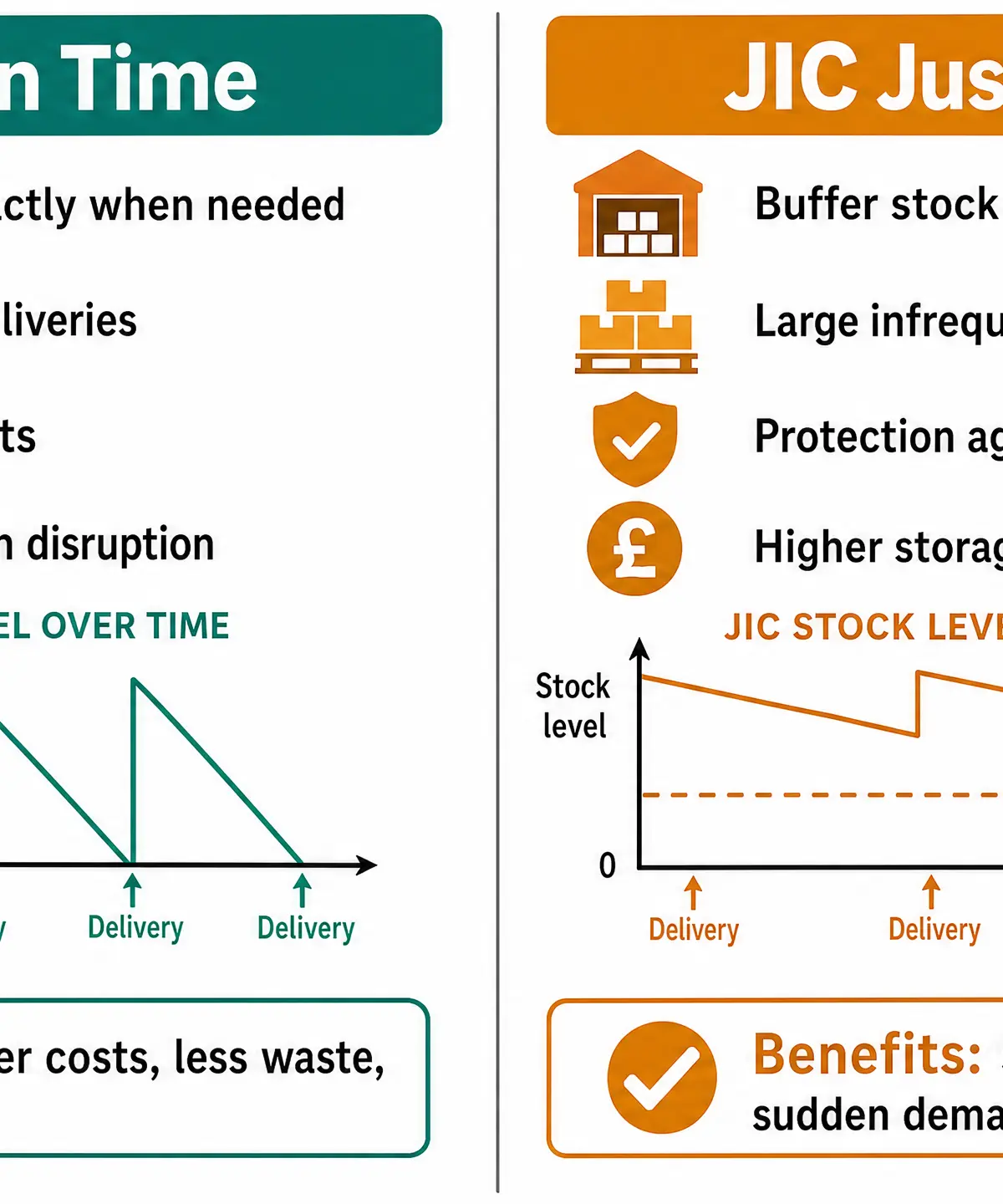
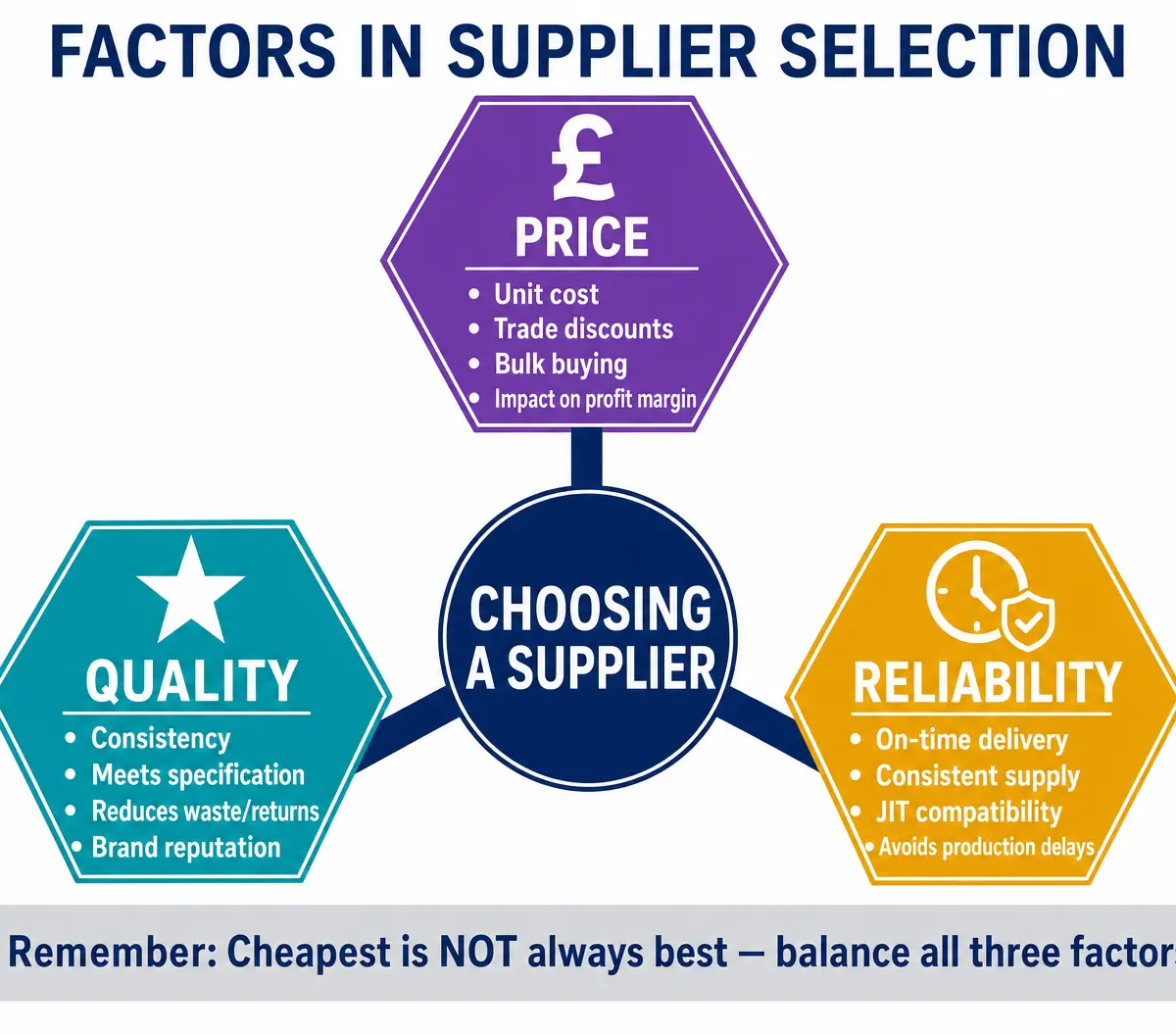
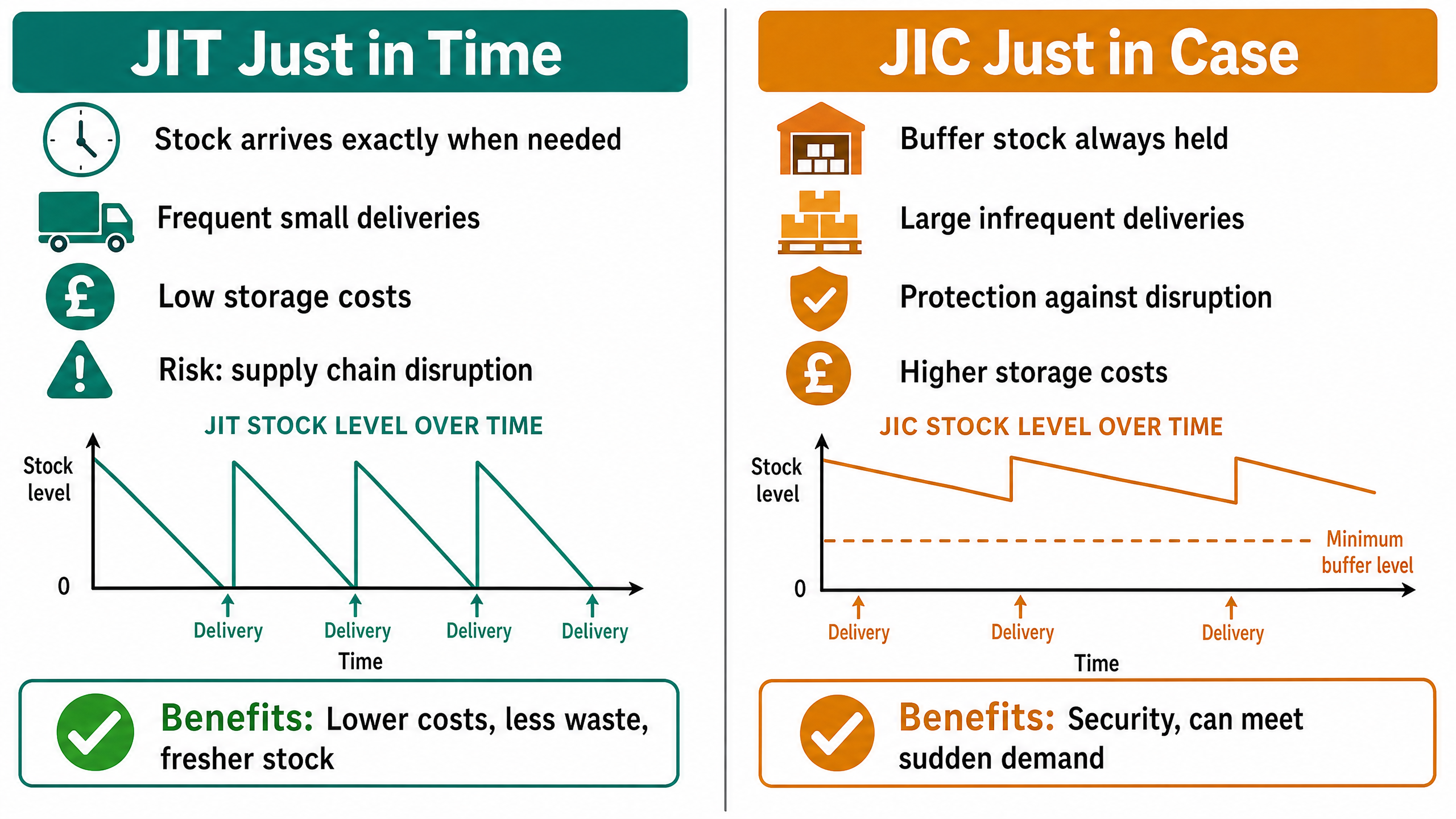
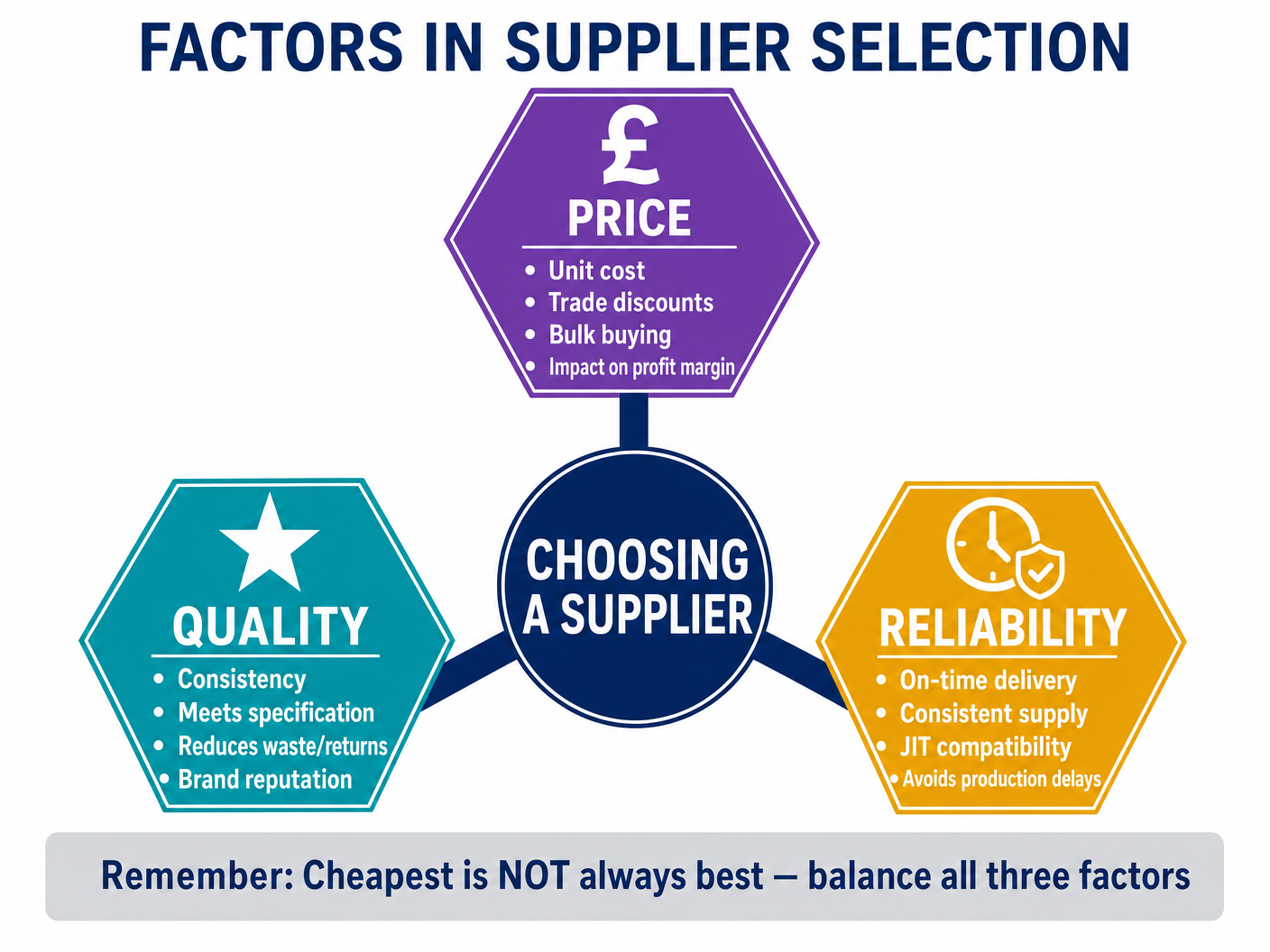
GCSE Business — The Role of Procurement A Revision Podcast for GCSE Students [INTRO — approximately 1 minute] Hello and welcome! I'm so glad you've tuned in, because today we're diving into one of the most practical and exam-relevant topics in GCSE Business — The Role of Procurement. Whether you're sitting AQA, Edexcel, OCR, or any other board, this topic comes up time and again, and the good news is: once you really understand it, it's actually fascinating. Procurement is basically about how businesses get the things they need to operate — the raw materials, components, or finished goods — and doing that in the smartest, most cost-effective way possible. By the end of this podcast, you'll be able to explain JIT and JIC stock management, evaluate supplier choices, and link procurement decisions to business efficiency. That's exactly what examiners are looking for. Let's get into it. [CORE CONCEPTS — approximately 5 minutes] So, let's start with the big question: what actually is procurement? Procurement is the process of acquiring goods and services that a business needs to operate. It's not just about buying things cheaply — it covers everything from choosing the right supplier, to managing how much stock you hold, to making sure deliveries arrive at the right time. Think of it as the backbone of a business's operations. Now, at the heart of procurement is stock management. Businesses need to decide: how much stock should we hold at any given time? And there are two main approaches you absolutely need to know for your exam. The first is JIT — Just in Time. With JIT, stock arrives exactly when it's needed in the production process. There's no large warehouse full of materials sitting around. Instead, the business places frequent, smaller orders and the supplier delivers just in time for production to continue. Toyota, the car manufacturer, famously pioneered this approach. The big advantage? It dramatically reduces storage costs. You're not paying for a huge warehouse, you're not tying up cash in stock sitting on shelves, and you reduce the risk of stock becoming obsolete or going out of date. For a food manufacturer, for example, fresher ingredients mean better quality products. However — and this is crucial for your evaluation — JIT only works if your suppliers are highly reliable. If a delivery is late, your entire production line could grind to a halt. That's a significant risk, especially if there's a disruption in the supply chain, like we saw globally during the COVID-19 pandemic when many businesses using JIT suddenly couldn't get components they needed. The second approach is JIC — Just in Case. With JIC, businesses deliberately hold buffer stock — extra stock kept in reserve just in case demand suddenly spikes or a delivery is delayed. Supermarkets, for instance, often hold buffer stock of popular items to make sure shelves never run empty. The advantage here is security and flexibility. If a supplier lets you down, you've got stock to fall back on. If there's a sudden surge in demand — say, a cold snap increases demand for winter coats — you can meet it immediately. The downside? Holding stock costs money. You need warehouse space, you need staff to manage it, stock can become damaged or obsolete, and crucially, your cash is tied up in stock rather than being available for other uses. These are called holding costs or storage costs. So which is better — JIT or JIC? Here's the key examiner tip: it depends on the business. A car manufacturer with a reliable network of suppliers might thrive on JIT. A business selling seasonal or perishable goods might need JIC as a safety net. In your exam, always link your answer to the specific business in the question. That's what gets you into the higher mark levels. Now let's talk about supplier selection — because procurement isn't just about stock levels, it's about who you buy from. Examiners expect you to know three key factors: price, quality, and reliability. Price is obvious — businesses want to keep their costs down to protect their profit margins. Buying in bulk can lead to economies of scale, meaning the cost per unit falls. However, the cheapest supplier isn't always the best choice, and this is a really common mistake candidates make. A supplier offering rock-bottom prices but delivering inconsistent quality could cost the business far more in the long run through returns, complaints, and damage to reputation. Quality matters enormously. If a business receives poor-quality materials, the finished product suffers. Customers notice. Returns increase. Brand reputation takes a hit. Examiners will credit you for explaining the knock-on effects of poor quality procurement decisions on the wider business. Reliability is the third factor — and it's especially critical for businesses using JIT. A reliable supplier delivers on time, every time, in the right quantities. An unreliable supplier creates uncertainty, and uncertainty is the enemy of efficient production. Think about a bakery that uses JIT for its flour deliveries. If the flour supplier fails to deliver on a Tuesday morning, there's no bread baked that day. Lost sales, unhappy customers, wasted staff time. Finally, let's tie this together with supply chain management. The supply chain is the entire network of businesses, resources, and processes involved in getting a product from raw material to the end customer. Effective supply chain management means streamlining this process — cutting waste, reducing lead times, improving communication between suppliers and the business. When procurement is done well, it reduces unit costs, improves cash flow, and makes the whole business more competitive. When it's done badly, costs spiral, quality suffers, and customers go elsewhere. [EXAM TIPS AND COMMON MISTAKES — approximately 2 minutes] Right, let's talk exam technique — because knowing the content is only half the battle. The most common mistake I see is candidates confusing JIT and JIC. Remember: JIT means stock arrives Just In Time — minimal stock held, frequent deliveries, low storage costs but high risk. JIC means stock held Just In Case — buffer stock maintained, security against disruption, but higher storage costs. A simple way to remember it: JIT is lean and risky; JIC is safe but costly. The second big mistake is treating procurement as only being about finding the cheapest supplier. Examiners specifically look for candidates who can balance price against quality and reliability. If a question asks you to 'evaluate' or 'analyse' supplier choice, you must consider all three factors and explain the trade-offs. Third: when a question asks you to 'evaluate JIT for a given business,' don't just list the advantages and disadvantages generically. Apply them to the specific business in the case study. Does the business have reliable suppliers? Is it in a volatile market? Is cash flow a concern? These contextual details are what push you from Level 2 to Level 3 in the mark scheme. Fourth: don't attempt to draw or interpret stock control charts. These are not required at GCSE and you'll waste precious time. Focus instead on explaining the concepts in words. And finally — command words matter. 'Describe' means give features with supporting detail. 'Explain' means give a reason and develop it — use connective phrases like 'this means that' or 'as a result.' 'Evaluate' or 'assess' means you must weigh up both sides and reach a justified conclusion. [QUICK-FIRE RECALL QUIZ — approximately 1 minute] Time for a quick-fire quiz! I'll ask the question, pause, then give the answer. Try to answer before I do. Question one: What does JIT stand for? ... Just in Time. Question two: Name ONE advantage of JIC stock management. ... Buffer stock protects against supply disruption, or: the business can meet sudden increases in demand. Question three: Name THREE factors a business considers when choosing a supplier. ... Price, quality, and reliability. Question four: What is a supply chain? ... The network of businesses and processes involved in getting a product from raw material to the end customer. Question five: Why might a business using JIT be vulnerable during a global crisis? ... Because JIT relies on frequent, reliable deliveries — any disruption to the supply chain means production could halt immediately, as there is no buffer stock to fall back on. [SUMMARY AND SIGN-OFF — approximately 1 minute] Let's bring it all together. Procurement is about getting the right goods and services, from the right supplier, at the right time, for the right price. The two key stock management strategies are JIT — low storage costs, high risk — and JIC — higher storage costs, greater security. When choosing suppliers, businesses must balance price, quality, and reliability. And effective supply chain management reduces waste, lowers unit costs, and makes businesses more competitive. In your exam, always apply your knowledge to the specific business in the question, use connective language to develop your explanations, and when evaluating, always reach a clear, justified conclusion. You've got this. Good luck with your revision, and I'll see you in the next episode!
Key Terms & Definitions
- Procurement
- The process of managing a business's major purchases, from raw materials to delivery.
- Just in Time (JIT)
- A stock management system where materials arrive exactly when they are needed in the production process.
- Just in Case (JIC)
- A stock management system where a business holds buffer stock to protect against supply issues or sudden demand.
- Buffer Stock
- A minimum level of inventory kept on hand to ensure that production or sales can continue even if deliveries are delayed.
- Supply Chain
- The entire network of entities, people, information, and resources involved in moving a product from supplier to customer.
- Unit Cost
- The cost of producing one item. Calculated as Total Cost divided by Output.
Worked Examples
Worked Example
Question: Explain one benefit and one drawback to a car manufacturer of using Just in Time (JIT) stock management. (6 marks)
Solution: **Benefit (3 marks)**: One benefit is that it significantly reduces storage costs. Because components like engines and seats arrive exactly when needed on the assembly line, the manufacturer does not need to pay for large warehouses to store them. This improves the business's cash flow, as capital is not tied up in stock. **Drawback (3 marks)**: One drawback is the high risk of production halting if there is a supply chain disruption. If a supplier is delayed due to traffic or a shortage of raw materials, the car manufacturer has no buffer stock to fall back on, meaning the entire assembly line must stop, leading to lost output and wasted staff wages.
Worked Example
Question: A local bakery currently uses a single supplier for all its flour. The supplier is very cheap but has recently been late with deliveries. Evaluate whether the bakery should switch to a more expensive but highly reliable supplier. (9 marks)
Solution: **Paragraph 1 - The case for switching**: The bakery should switch because reliability is crucial for a business producing fresh goods daily. If the current supplier is late, the bakery cannot produce its bread on time, leading to empty shelves, lost sales, and disappointed customers who may go to a competitor. A reliable supplier ensures production runs smoothly, protecting the bakery's reputation. **Paragraph 2 - The case against switching**: However, switching to a more expensive supplier will increase the bakery's unit costs. To maintain its profit margins, the bakery might have to increase the price of its bread. In a competitive local market, higher prices could reduce demand and overall revenue. **Conclusion**: Overall, the bakery should switch. While higher costs are a disadvantage, the cost of not having products to sell at all is far worse. For a bakery, fresh daily production is essential, making reliability more important than securing the absolute lowest price for raw materials.
Worked Example
Question: Analyse the impact of poor procurement on a business's efficiency. (6 marks)
Solution: Poor procurement negatively impacts efficiency by causing delays in the production process. For example, if a business selects an unreliable supplier who delivers materials late, the production line will have to stop while workers wait for inputs. This leads to idle time where staff are being paid but no output is being generated, thereby reducing labour productivity. Furthermore, if poor procurement results in low-quality raw materials being purchased, the business will suffer from a higher rate of defective finished products. This creates waste and requires items to be reworked, which increases the average unit cost and significantly lowers overall operational efficiency.
Practice Questions
Question: State two factors a business should consider when choosing a supplier. (2 marks)
Answer:
Question: Explain one reason why a supermarket might choose to use a Just in Case (JIC) stock management system. (3 marks)
Answer:
Question: Evaluate whether a small, bespoke furniture maker should switch from a Just in Case (JIC) to a Just in Time (JIT) stock management system. (9 marks)
Answer:
Question: Explain how effective procurement can lower a business's unit costs. (3 marks)
Answer:
Question: Analyse the importance of quality when a smartphone manufacturer is selecting a supplier for its batteries. (6 marks)
Answer: