
Study Notes
Overview
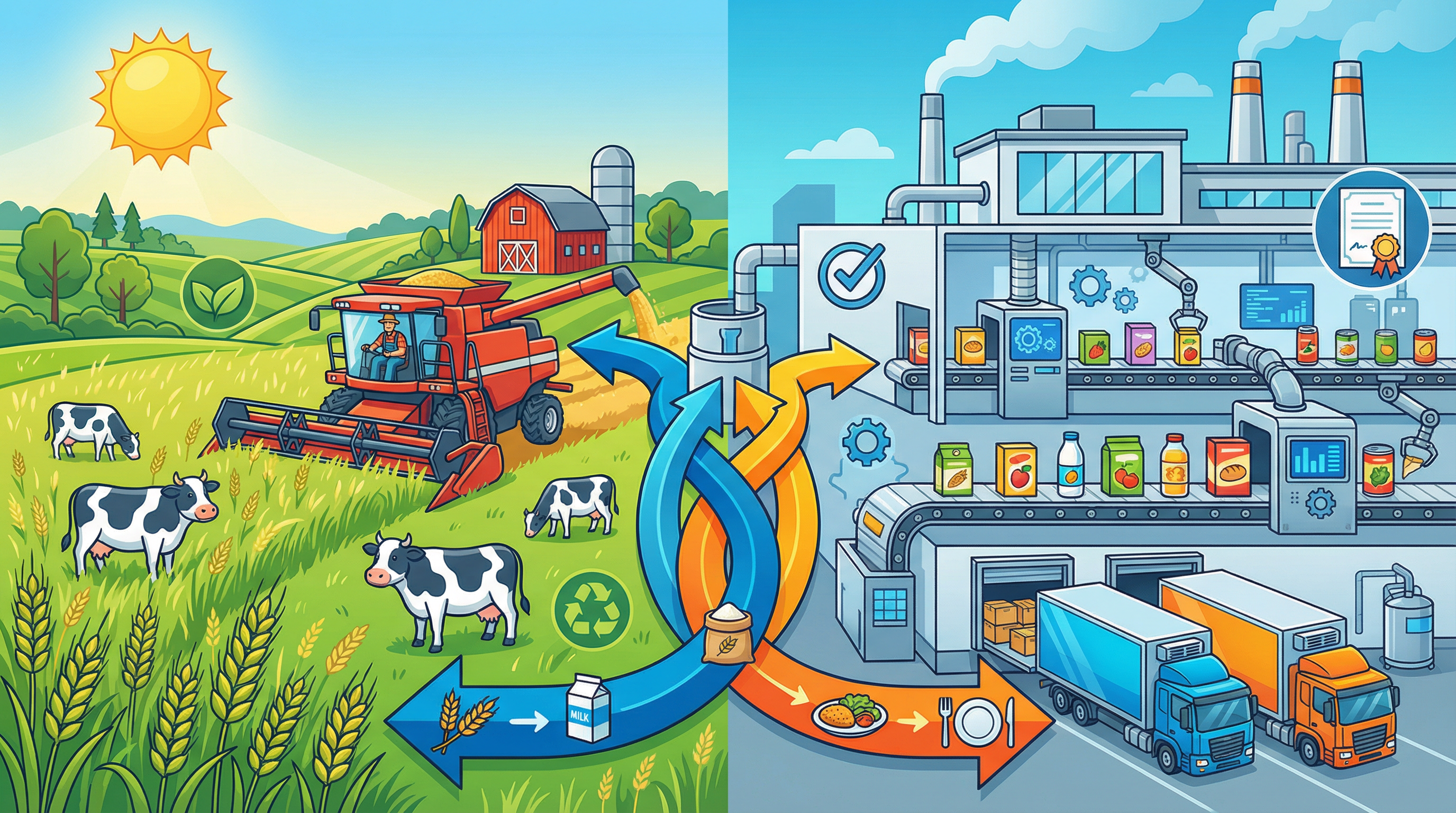
This section of the OCR J309 specification delves into the complex world of modern food production. It requires candidates to develop a critical understanding of the entire food supply chain, from primary agricultural production to the processed foods we find on supermarket shelves. Examiners expect a detailed knowledge of farming systems (intensive vs. organic), the scientific principles behind food processing and preservation, and the key differences between primary and secondary processing. Furthermore, this topic demands an evaluation of pressing contemporary issues such as food security, sustainability, and the role of technology, including fortification and genetic modification. A strong performance in this area requires not just factual recall, but the ability to analyse, evaluate, and connect different aspects of the food system. Candidates who can demonstrate this holistic understanding, using precise terminology and specific examples, will be well-rewarded.
The Food Supply Chain
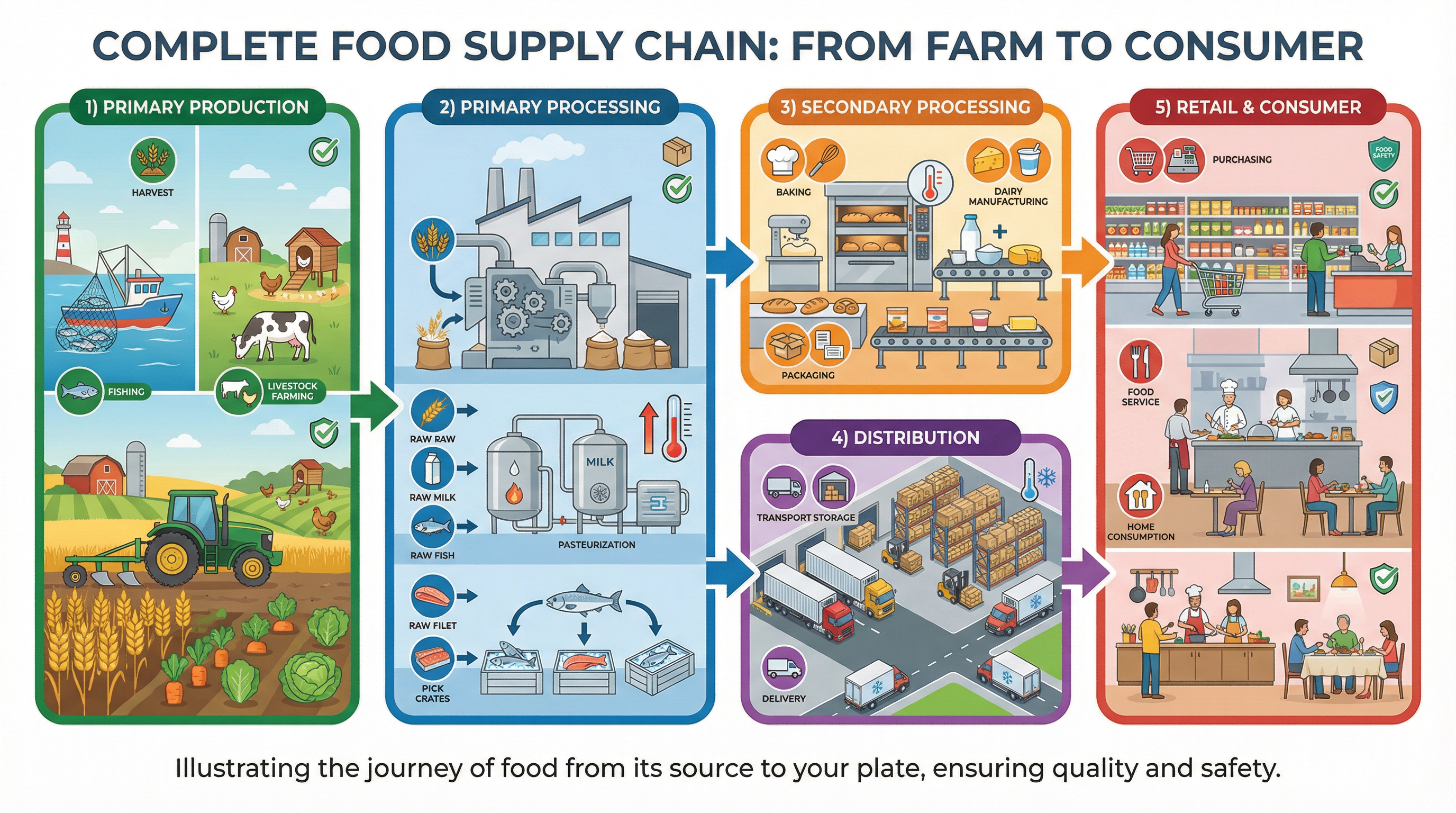
The journey of food from its origin to our plates is a multi-stage process known as the food supply chain. A clear understanding of each stage is fundamental for the exam.
1. Primary Production
What happens: This is the first stage, where raw food materials are grown, reared, or caught. It encompasses all agricultural and aquacultural activities.
- Arable Farming: Cultivation of crops like wheat, barley, fruits, and vegetables.
- Livestock Farming: Rearing animals for meat, poultry, eggs, and dairy products.
- Fishing & Aquaculture: Harvesting fish and seafood from wild stocks or farmed environments.
Why it matters: This stage determines the initial quality and characteristics of food. The methods used have significant environmental and ethical implications that candidates must be able to discuss.
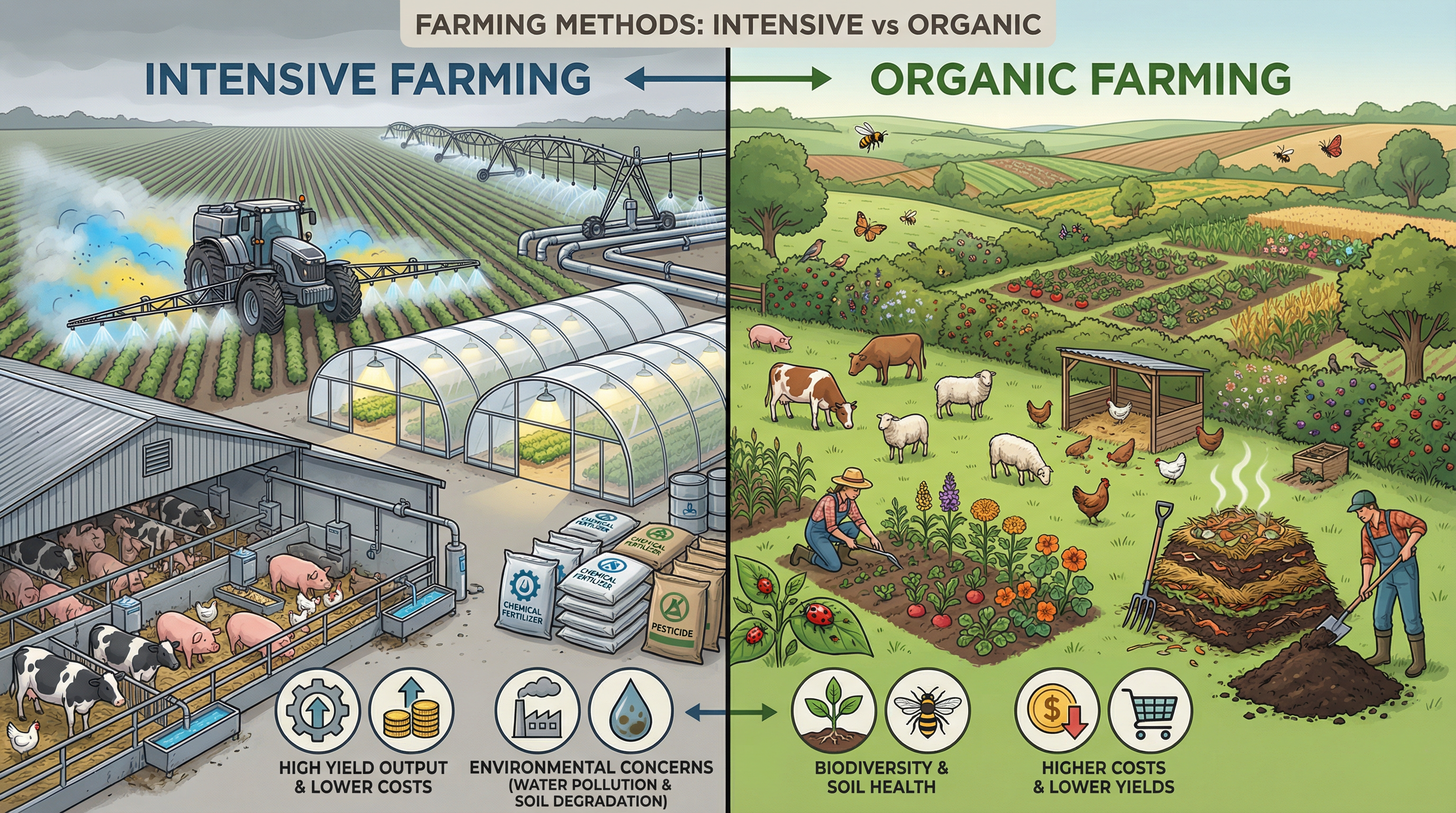
Specific Knowledge: Candidates must be able to compare and contrast Intensive Farming and Organic Farming.
| Feature | Intensive Farming | Organic Farming |
|---|---|---|
| Goal | Maximise yield and minimise cost. | Produce food using natural methods, promoting biodiversity and soil health. |
| Methods | Uses synthetic fertilisers, pesticides, and herbicides. High-density stocking for livestock. Often involves monocultures. | Prohibits synthetic pesticides and fertilisers. Uses crop rotation, companion planting, and natural predators for pest control. Lower stocking densities and free-range systems for animals. |
| Technology | High use of technology, e.g., GPS-guided tractors, automated irrigation, polytunnels. | Employs traditional methods alongside modern technology that supports ecological principles. |
| Impact | High yields, lower consumer prices. Environmental concerns include soil degradation, water pollution (eutrophication), and loss of biodiversity. | Lower yields, often higher consumer prices. Benefits include improved soil structure, enhanced biodiversity, and reduced chemical runoff. |
2. Primary Processing
What happens: This involves the first stage of converting raw food materials into ingredients. These processes do not create a new food product but prepare the raw material for the next stage.
Why it matters: Primary processing makes food safe, edible, or prepares it for further manufacturing. Marks are awarded for precise distinctions between this and secondary processing.
Specific Knowledge:
- Milling: Wheat is milled into flour.
- Heat Treatment of Milk: Milk is pasteurised or treated with Ultra-High Temperature (UHT) to kill harmful bacteria.
- Filleting: Fish is filleted and deboned.
- Shelling: Nuts are shelled.
3. Secondary Processing
What happens: This is where primary-processed ingredients are combined and transformed into finished food products.
Why it matters: This is the core of food manufacturing, creating the vast majority of food products available to consumers. It often involves adding value and extending shelf life.
Specific Knowledge:
- Baking: Flour is used to bake bread, cakes, and pastries.
- Dairy Manufacturing: Milk is used to make cheese, yogurt, and butter.
- Ready Meals: Various ingredients are combined and cooked to create convenience meals.
- Fortification: Vitamins and minerals are added to foods to improve their nutritional profile. A key example is the statutory fortification of white flour in the UK with Iron, Calcium, Thiamin, and Niacin.
4. Distribution & Retail
What happens: Processed and packaged foods are transported from factories to distribution centres, and then on to retailers (supermarkets, local shops) or the food service industry (restaurants, hospitals, schools).
Why it matters: This stage is critical for ensuring food reaches the consumer in a safe and timely manner. It involves complex logistics and temperature control (the 'cold chain').
Specific Knowledge: The 'cold chain' refers to the temperature-controlled supply chain. A break in the cold chain can lead to microbial growth and food spoilage. Key temperatures to remember:
- Chilled foods: 0°C to 5°C
- Frozen foods: -18°C or below
Food Preservation & Processing Methods
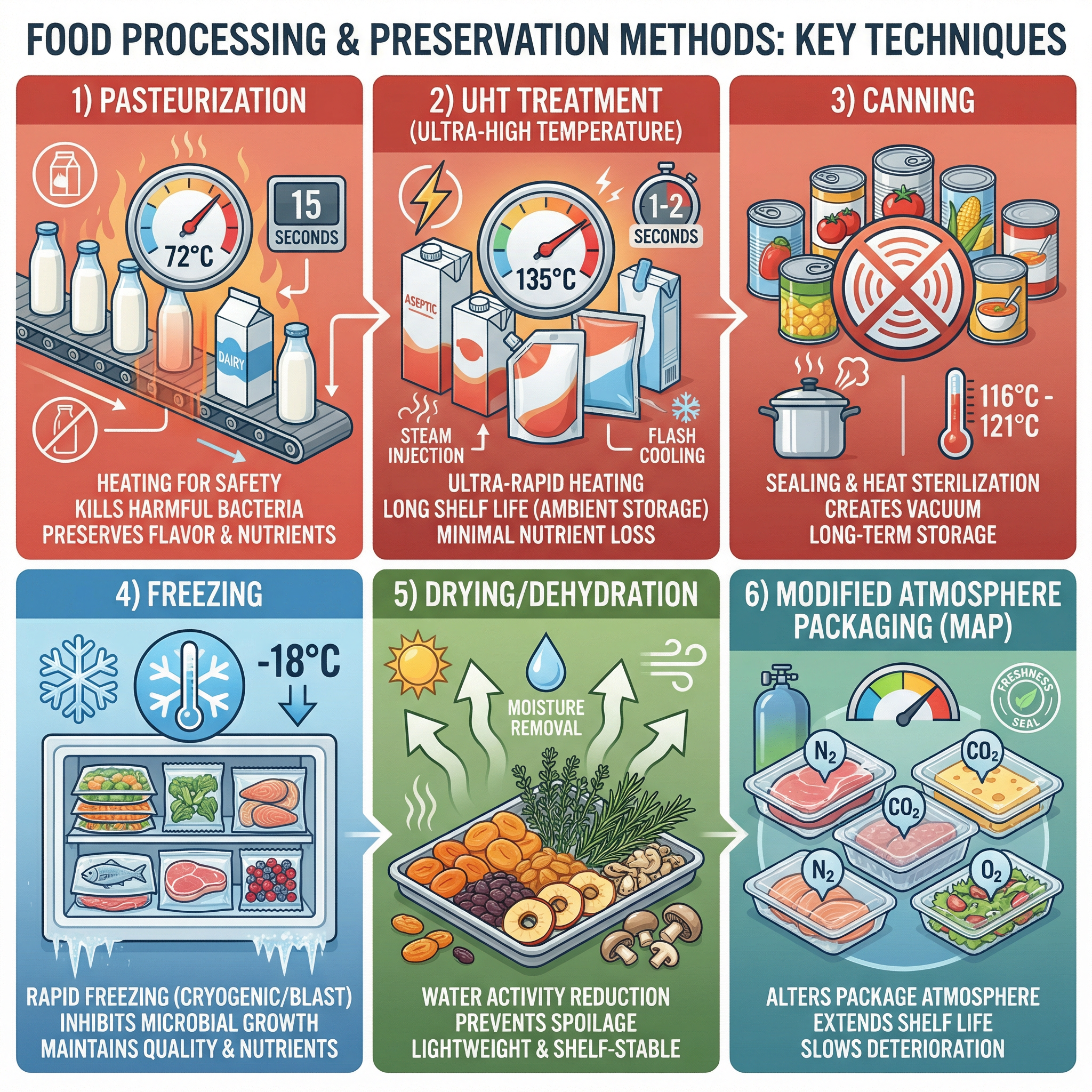
Examiners expect candidates to understand the scientific principles behind key preservation methods.
| Method | Principle | Temperature/Time | Examples |
|---|---|---|---|
| Pasteurisation | Destroys pathogenic bacteria by heating, extending shelf life for a short period. | 72°C for 15 seconds | Milk, fruit juice |
| UHT | Destroys all bacteria and their spores, creating a long-life (ambient) product. | 135°C for 1-2 seconds | Long-life milk, soups |
| Canning | Food is sealed in a can and heated to high temperatures to destroy microorganisms and enzymes. | Typically 116°C-121°C | Vegetables, fish, meat, soup |
| Freezing | Low temperatures stop microbial growth and slow down enzyme activity. | -18°C | Vegetables, meat, ready meals |
| Drying | Removing moisture (water) prevents microorganisms from growing. | Varies | Dried fruit, herbs, powdered milk |
| MAP | The air in a package is replaced with a specific gas mix to slow spoilage. | N/A | Fresh pasta, packaged salads, raw meat |
Food Security & Sustainability
These are major themes that require evaluative skills.
Food Security
Definition: The state of having reliable access to a sufficient quantity of affordable, nutritious food.
Why it matters: Global food security is one of the most significant challenges of the 21st century. Candidates must be able to analyse the complex factors that threaten it.
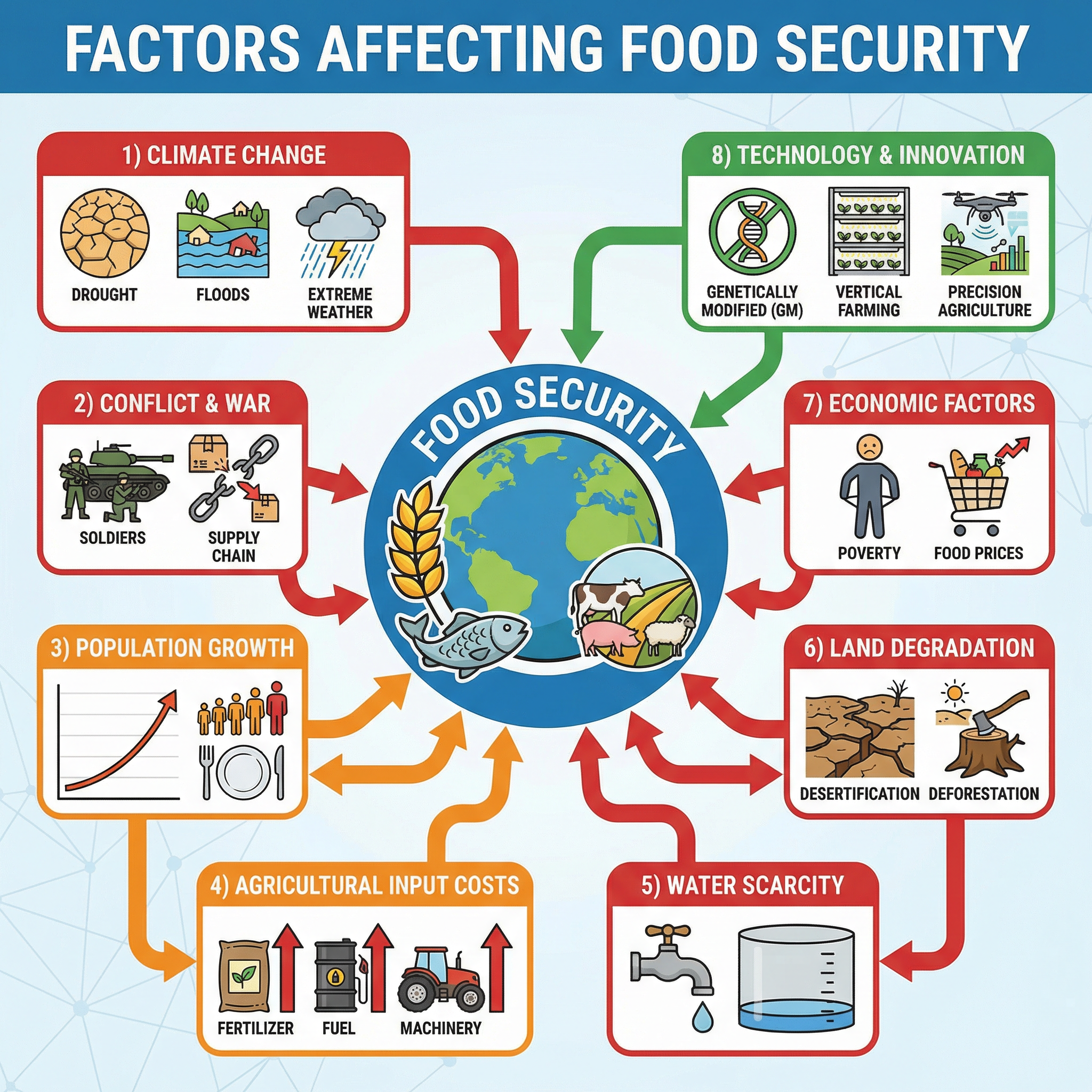
Key Factors Affecting Food Security:
- Climate Change: Leads to extreme weather events like droughts and floods, disrupting crop growth.
- Conflict: War disrupts farming, displaces populations, and destroys supply chains.
- Population Growth: The global population is rising, increasing the overall demand for food.
- Cost of Inputs: The price of fuel, fertiliser, and animal feed can make farming unprofitable and food unaffordable.
- Water Scarcity: A growing issue that limits the water available for irrigation.
- Land Degradation: Soil erosion and deforestation reduce the amount of fertile land available for farming.
Sustainability
Definition: Producing food in a way that protects the environment, public health, and animal welfare, ensuring long-term viability.
Why it matters: Unsustainable practices threaten the future of food production. Examiners look for analysis beyond simple concepts like recycling.
Key Concepts:
- Life Cycle Assessment (LCA): A method to assess the environmental impact of a product throughout its entire life, from raw material extraction to disposal.
- Carbon Footprint: The total amount of greenhouse gases produced. Candidates should understand that food miles (the distance food travels) are only one part of this. Production methods are often more significant (e.g., a locally grown tomato in a heated greenhouse vs. a field-grown Spanish tomato).
- Food Provenance & Assurance Schemes: Knowing where food comes from and the standards to which it was produced. Key UK schemes:
- Red Tractor: Certifies that food has been farmed, processed, and packed in the UK to specific standards of food safety, animal welfare, and environmental protection.
- Marine Stewardship Council (MSC): Certifies that wild-caught seafood comes from a sustainable fishery.
Technological Developments
Genetically Modified (GM) Foods
What is it: Foods produced from organisms that have had their DNA altered in a way that does not occur naturally.
Exam Tip: For 'Evaluate' questions on GM foods, a balanced argument is essential.
| Arguments for GM Foods (Producer/Consumer Benefits) | Arguments Against GM Foods (Consumer/Environmental Concerns) |
|---|---|
| Increased crop yields. | Potential for long-term health effects are not fully known. |
| Enhanced nutritional value (e.g., Golden Rice with Vitamin A). | Risk of cross-contamination with non-GM crops. |
| Resistance to pests, diseases, and drought. | Ethical concerns about 'playing God' with nature. |
| Longer shelf life, reducing food waste. | Potential to create 'superweeds' resistant to herbicides. |
| Can be grown in challenging climates. | Control of the food supply by a small number of large corporations. |