Diagnostic Assessment: A Practical Guide for GCSE & A-Level
You can work hard for a mock, feel sure you've done enough, then open the paper and see a grade that makes no sense. That feeling is brutal, especially when you know you revised, but the result still doesn't match the effort. Diagnostic assessment exists for that exact moment, because it helps you find out what went wrong, not just how many marks you lost.
Why Your Mock Results Feel Confusing
A student gets a mock back, sees a lower grade than expected, and immediately assumes the same thing many do, “I'm just not good at this subject.” That reaction is common, but it's often wrong. In many cases, the issue isn't a lack of effort, it's a mismatch between what was revised and what the paper tested.
What the paper was really asking
A weak result can hide very different problems. A GCSE maths student might know the formula, but choose the wrong one under pressure. An A-Level English student might understand the text, but misread the command word and write a description when the question wanted evaluation. Those are not the same weakness, so they need different fixes.
That's where diagnostic assessment earns its place. It doesn't just say “low mark”, it shows whether the trouble came from recall, misunderstanding, timing, or question technique. If you want a place to rehearse that kind of thinking on real exam-style material, GCSE Past Papers are useful because they let you look at the paper with a diagnostic eye, not just a grading one.
Practical rule: don't ask, “Why did I fail?” Ask, “Which question types kept costing me marks, and what do those mistakes have in common?”
The hidden pattern in disappointing results
A student who loses marks on the first few questions, then runs out of steam later, doesn't need the same revision plan as someone who drops marks only on longer responses. One may need stronger recall. The other may need more practice turning knowledge into written answers under time pressure.
That's why a disappointing mock can be useful. It gives you evidence, if you know how to read it. Diagnostic assessment turns that evidence into a map, so revision stops being a vague repeat of “do more work” and becomes a set of specific jobs.
Understanding Diagnostic Assessment and How It Differs
Diagnostic assessment is a low-stakes way of finding out what a learner already knows, what they've misunderstood, and what they still need to learn before teaching or revision moves on. In UK education, it's closely tied to the move towards identifying pupils' starting points and gaps early, not just judging final outcomes, and the Department for Education's reception baseline assessment was introduced for most primary schools in 2021 to measure early attainment at the start of school so later progress can be judged against a starting point, rather than a single end-of-year snapshot, as described by the National Foundation for Educational Research.
Diagnostic versus formative versus summative
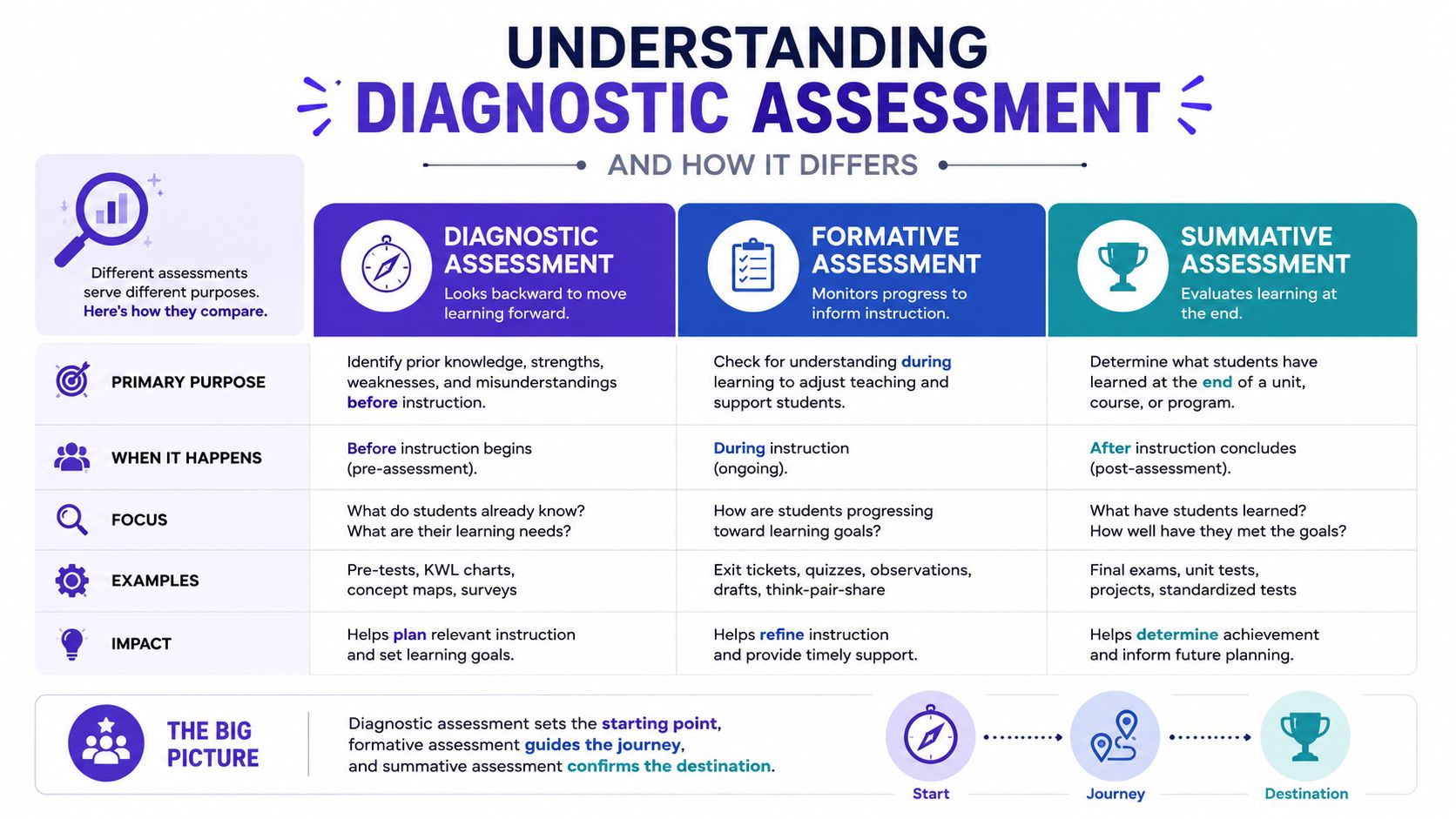
A diagnostic test happens before or at the start of teaching, and its job is to uncover gaps. A formative check happens during learning, so you can see whether the lesson, homework, or revision is landing. A summative exam comes at the end and judges overall achievement.
That difference matters because students often mix them up. A mini-quiz in class might be formative if it tells the teacher who needs another explanation. A full GCSE paper at the end of a unit is summative. A short set of pre-topic questions on algebra, done before revision starts, is diagnostic because it shows where the holes are before you waste time revising the wrong thing.
Why the “not for a grade” part matters
A University of California–related language teaching resource says diagnosis means identifying a learner's strengths and weaknesses for the purpose of addressing needs, and it says the assessment is not for a grade because the point is learning, not ranking. That's a useful way to think about GCSE and A-Level revision too. If a test is only there to sort students into marks, it misses the main value, which is learning what to fix next.
Diagnostic assessment works best when it feels temporary and useful, not like another exam to survive.
The UK context also matters here. Assessment has shifted from being mainly a classroom technique to part of the accountability system, and that's pushed schools to take earlier evidence of gaps seriously, especially in core subjects where later grades depend on strong foundations. For older students, that means a diagnostic check before a topic like chemistry rates or economics market structures can save weeks of shallow revision.
Types of Diagnostic Questions for GCSE and A-Level
A good diagnostic question doesn't just ask, “Do you know this?” It asks, “What exactly do you know, what do you almost know, and where does the mistake start?” That's why different question types reveal different problems.
Multiple-choice questions that expose a misconception
A well-designed multiple-choice question can be more revealing than a full paragraph of writing. In physics, for example, the wrong option might show that a student chose the right topic but the wrong formula. In chemistry, a student might pick an answer that sounds right because they recognise a keyword, even though they've mixed up two reactions.
That's why multiple-choice works best when the distractors are carefully chosen. A wrong answer isn't just wrong, it's evidence. If a student keeps choosing the same incorrect option, the issue may be a repeated misconception, not random guessing.
Short answers and command words that uncover process errors
In maths, short-answer diagnostic items are brilliant for spotting procedural breakdowns. A student might get the final answer wrong because they rearranged an equation incorrectly, forgot a sign, or used the right method in the wrong order. You don't need a long script to spot that if the question is designed properly.
Essay subjects need a different kind of diagnostic task. Asking a student to distinguish analyse from evaluate tells you whether they understand what the command word is demanding, not just whether they can write something fluent. If they can state facts but don't weigh evidence, that's not a knowledge problem, it's a response-shape problem.
For a clear set of assessment examples that show how different question types reveal different levels of understanding, assessment examples for competency-based learning are a useful reference point because the same principle applies, even when the subject changes.
A-Level tasks that reveal deeper gaps
At A-Level, diagnostic questions need to go one step further. In computer science, a trace table can show whether a student follows the logic of an algorithm or only remembers terms. In unseen poetry, a short analytical prompt can reveal whether the student's weakness is vocabulary, interpretation, or exam structure.
If you're practising in a structured way, Exam Practice for GCSE can help you turn these question types into a repeatable revision habit rather than a one-off test.
If a student gets the easy recall question right but collapses on the explanation, the gap is probably in application, not memory.
Interpreting Results and Planning Your Next Steps
Getting results is the easy part. Turning them into a useful revision plan is where the work starts. The strongest diagnostic routines don't just count right and wrong answers, they look at patterns, because patterns tell you what kind of support a student needs.
Spot the pattern before you choose the fix
Teachers in the IRIS Center guidance are told to use progress-monitoring data and work samples to look for patterns that explain why a student is struggling, and they define error analysis as reviewing those patterns to identify skill deficits, including what types of errors were made and why they were made. That idea works just as well for GCSE and A-Level revision.
A student who gets 2-mark “state” questions right but loses marks on 6-mark “explain” questions doesn't need more basic revision on facts alone. They need practice stretching a short idea into a full answer. Another student who misreads every question might need more work on command words and exam literacy before they do anything else.
Prioritise the right gap first
Not every weakness deserves the same amount of time. Start with the gap that appears most often in the paper and has the biggest mark value, because that's where revision can move the grade fastest. If the diagnostic shows repeated mistakes in one topic but the final exam only ever asks one small question on it, that's not your first priority.
Here's the practical order I'd use with most students:
- Fix repeated high-mark errors first. These are the mistakes that keep damaging whole sections of the paper.
- Tackle misunderstanding before repetition. If a student learned the wrong method, more practice just entrenches the error.
- Separate knowledge from technique. Sometimes the subject is known, but the answer format is off.
- Link every weakness to a next action. A gap without a plan is just bad news.
For students who need help spacing that work across weeks, the MasteryMind spaced repetition guide fits neatly with this approach because it keeps weak areas coming back at the right time instead of disappearing after one revision session.
The tricky part is remembering that diagnostic assessment is not just the score sheet. It's the route into support afterwards, especially where a student needs different practice, clearer explanation, or a calmer way to build confidence again.
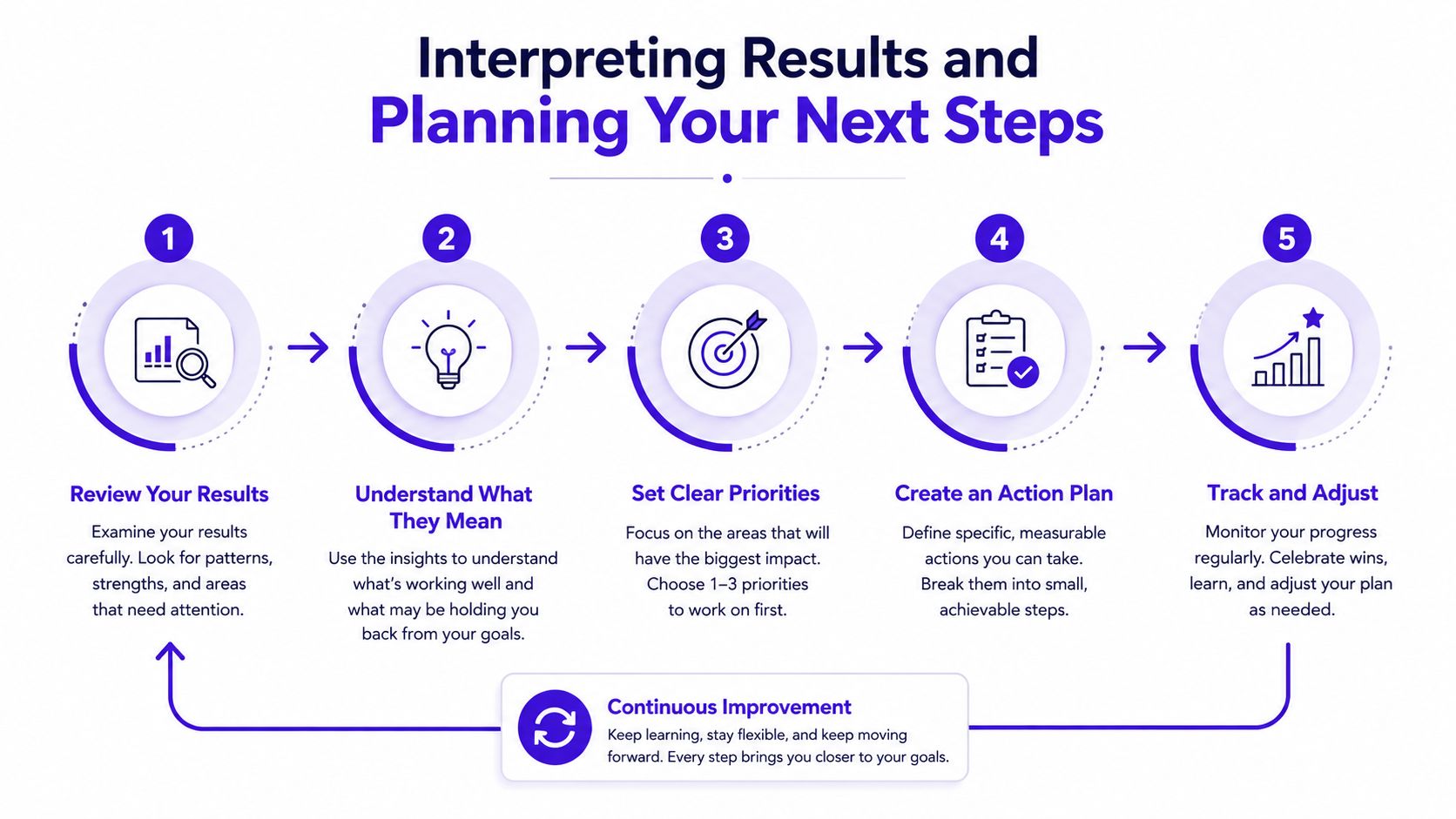
A good revision plan names the mistake, names the cause, and names the next task.
The same logic helps parents too. Instead of asking, “Did you revise?”, ask, “Which question type cost you marks, and what did the mark scheme expect?” That keeps the conversation concrete.
Implementing Diagnostic Assessment in Different Settings
Students, teachers, and parents all use diagnostic assessment differently, but the goal is the same: find the gap early and do something specific about it. A common mistake is treating it like extra admin. Used properly, it saves time because it stops pointless revision.
For students revising on your own
Start with a paper, but don't use it like a final exam. Use it diagnostically. Answer a few questions under timed conditions, mark them accurately, then write down what went wrong in plain language, such as “mixed up the formula,” “didn't answer the command word,” or “ran out of time on the last paragraph.”
Then make a small gap list. Not a huge one, just the three weakest areas that matter most for your next exam. Work on those before you wander into broad revision that feels productive but doesn't change your score.
For teachers in the classroom
Quick diagnostic tasks work best when they are short, sharp, and easy to act on. A five-minute quiz at the start of a lesson can reveal a class-wide misconception, while a targeted written prompt can separate students who need reteaching from those who just need more practice. That's especially useful in mixed-ability groups where the same lesson lands very differently.
Teachers also need to protect lesson time. Diagnostic assessment should guide teaching, not swallow it. If the results show the same issue across the class, teach it once properly. If only a few students are struggling, build a smaller intervention rather than reteaching everything to everyone.
For parents helping at home
Parents don't need to become second teachers. The useful job is to support the process and keep the student honest about what they found hard. Ask what the teacher's comments meant, which question they froze on, and whether the mistake was content, timing, or understanding the wording.
The guide to conversation analytics software is about a different field, but the wider principle is useful here, patterns in responses matter more than single answers. In revision, that means listening for repeated error patterns, not just whether a student says they “sort of get it”.
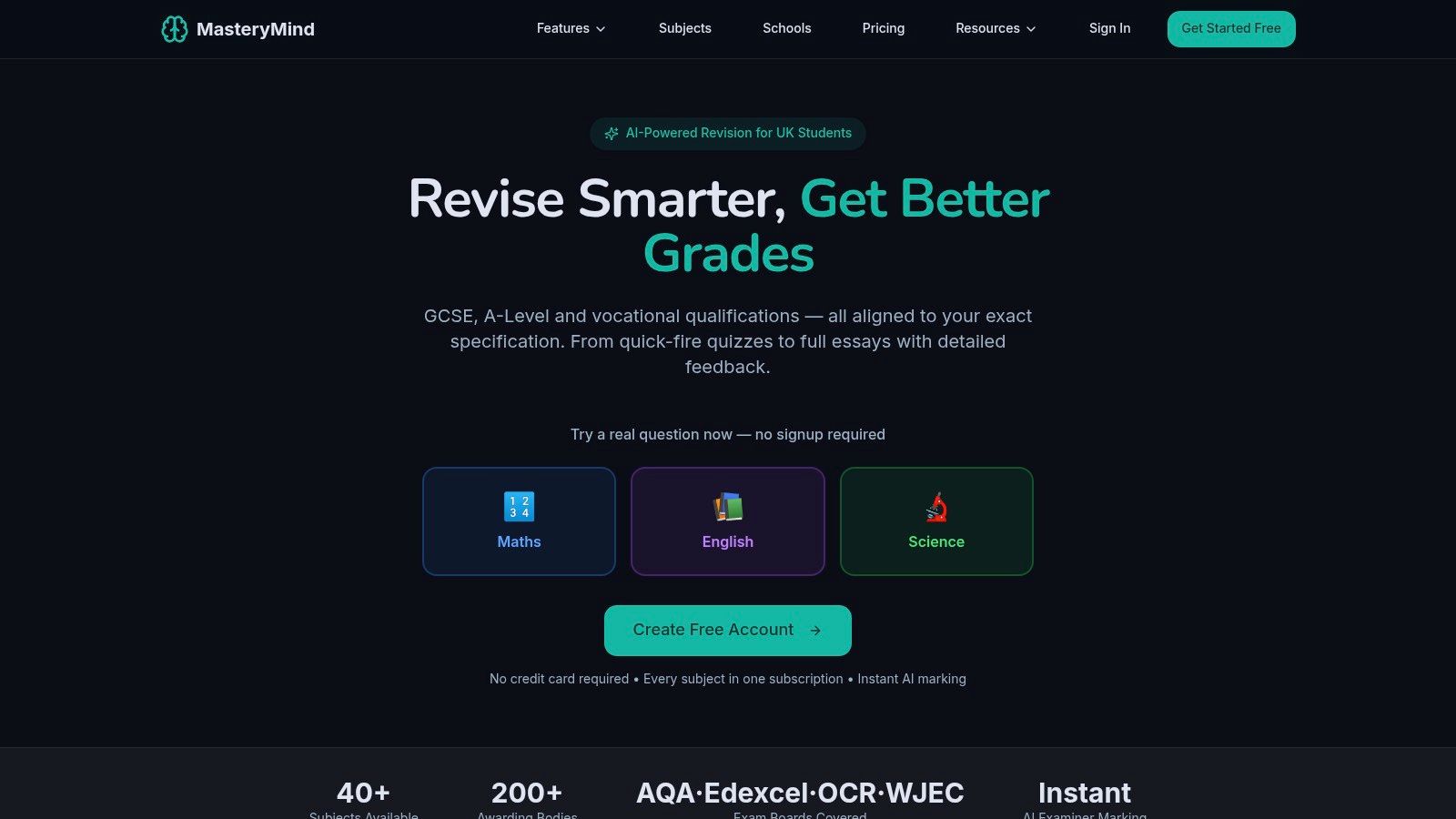
For families and schools that want a digital option, AI Powered Revision can support this kind of work by organising questions around topic gaps and giving instant feedback after each attempt.
How AI Platforms Enhance Diagnostic Assessment
Traditional diagnostic assessment has a real problem, it can take too long to mark, and the feedback often arrives after the moment of urgency has passed. That delay matters when a student has a mock in two weeks and still hasn't fixed the weak spots. AI tools can help here, but only if they keep the same discipline as good teaching, clear questions, clear feedback, and a clear next step.
What better diagnostic tech changes
AI can adjust the difficulty of questions as a student answers, which means weaker foundations show up quickly instead of being hidden under easier marks. It can also give instant examiner-style feedback, which is useful because the student sees not only that an answer was weak, but why it missed the mark. Progress tracking then shows whether a topic is improving or just being repeated.
That matters most when the mistake is subtle. A human marker might notice a short answer is off, but an AI system can sometimes flag repeated patterns across many responses, which helps expose misconceptions that keep resurfacing.
How this fits revision habits
The best AI revision systems don't replace teachers, they take over the repetitive diagnostic work so people can spend their time on judgment and explanation. Voice-based active recall, like a blurt activity, is useful because it forces a student to retrieve knowledge without hiding behind notes. Socratic prompts for coursework are useful too, because they keep the student thinking instead of copying.
The point is not automation for its own sake. It's faster diagnosis, sharper feedback, and more opportunities to act on weak areas before the exam date gets too close.
If you want another option to compare, text to video software can show how digital tools present learning in different formats, but for GCSE and A-Level revision the main value comes from what the system does after the student answers.
AI is useful when it improves the quality of the next question, not just the speed of the first one.
Measuring Impact and Addressing Common Concerns
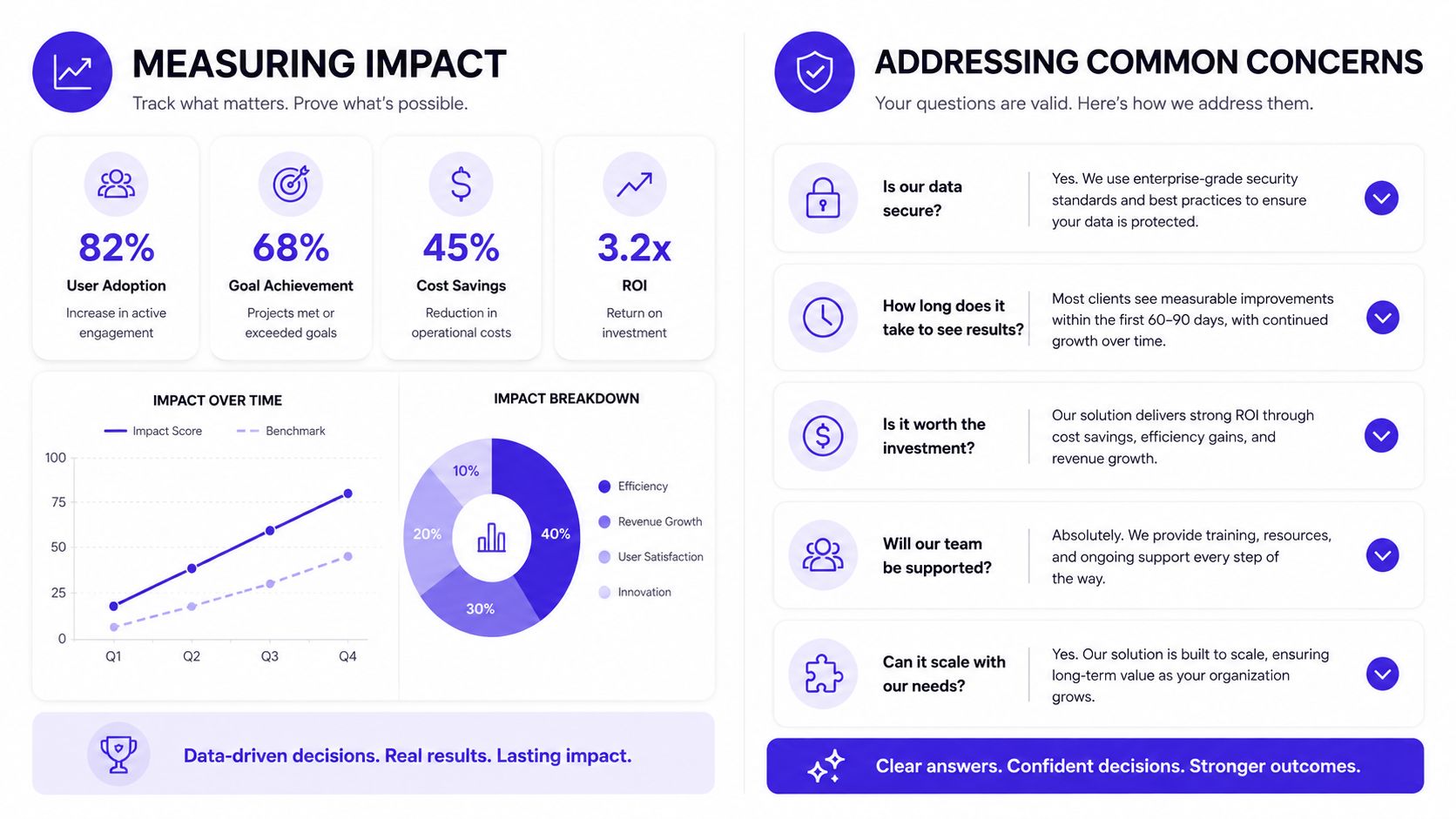
Parents and teachers usually ask the same question first, does diagnostic assessment help, or does it just create more paperwork? In practice, the answer depends on what happens after the diagnostic. The evidence used widely in England points in the same direction, targeted intervention based on identified need is where progress happens, not in the test itself.
Why the evidence matters
The Education Endowment Foundation says one-to-one tuition can generate about 5 months of additional progress, small-group tuition can add around 4 months, and feedback interventions often add around 6 months of progress when well implemented, according to the Buffalo teaching resource on diagnostic assessments. Those numbers matter because they show why schools focus diagnostic testing on core subjects and intervention decisions rather than treating it as a standalone event.
That aligns with UK practice more broadly. Diagnostic assessment is used to identify what needs fixing early, so limited teaching time goes to the students and topics that need it most. It's not about labelling. It's about directing effort.
Common worries, answered plainly
Some teachers worry AI feedback won't match human nuance. That's fair, and it should be checked. A useful platform gives transparent breakdowns, shows which assessment objective was missed, and allows teachers to see how the answer was judged, rather than hiding behind a score. In maths, step-by-step verification matters because it lets staff confirm that the process matches the mark scheme.
Others worry technology will replace proper teaching. It won't, if the school uses it correctly. Diagnostic assessment still needs human interpretation, especially when a student's issue is confidence, motivation, or exam nerves rather than knowledge alone.
The current UK diagnostic framework also reminds us that a test only works if the pathway after it is clear. NICE's Diagnostics Assessment Programme manual requires evidence on analytical and clinical validity, population context, and operational performance before recommending use, and that same mindset applies in education, the assessment has to fit the learner and the decision it's meant to support.
The practical takeaway is simple. Use diagnostic assessment to find the exact weakness, link it to a specific revision action, and check it again after the student has practised. That's how the process turns from a test into progress.
If you're ready to turn mock results into a clearer revision plan, visit MasteryMind and use its GCSE and A-Level practice to spot gaps, test weak topics, and keep track of what's improving. It's built for the kind of targeted revision that diagnostic assessment depends on, so you can spend less time guessing and more time fixing the marks that matter.
Ready to master this topic?
Practise with quizzes, blurt exercises and exam questions on MasteryMind.
7 days Premium · Then free forever · No card, no charge