8 Unseen Poetry Examples for Exam Practice
The poem is unfamiliar, the clock is running and your first instinct is to hunt for devices. You circle a metaphor, label some alliteration, then realise you're not yet sure what the poem is saying. That panic is common, but strong unseen poetry responses don't come from collecting techniques. They come from tracking one precise idea through evidence, method and effect.
These unseen poetry examples work as reusable exam workouts. Each one gives you a short reading focus, a command-word-aware question, an annotation route, a model analytical paragraph and a timing or structure tactic. The poems move from accessible symbolism and repetition towards voice, form, irony and morally complex interpretations. Teachers can use them for guided annotation, timed writing or focused feedback, while students can practise recovering quickly when a first reading feels confusing.
Unseen poetry is built into GCSE English Literature assessment across major UK exam boards, rather than being an optional extra. AQA and Eduqas assessment guidance shows why repeated practice matters. You can also reinforce examiner-style work through MasteryMind's questions, mark allocations and feedback features. For another useful way to think about emotional shifts, see analyzing emotional pressure in prose.
1. The Tyger by William Blake
Blake's “The Tyger” gives you a clear object to analyse, but it doesn't give you a simple answer. The tiger can suggest divine power, dangerous nature, artistic creation or destructive energy. Your job isn't to decide which interpretation is correct immediately. Your job is to show how the poem's choices make several interpretations possible.
Practice question: How does Blake present the power of the tiger?
Annotation route:
- Repeated questions: Track the pattern of “Did he”. It makes the speaker sound increasingly fascinated and uncertain.
- Fire imagery: Mark “burning bright”, “fire” and the forge-related images. They connect creation with heat, violence and controlled manufacture.
- Form and sound: Notice the regular rhyme and repeated opening. The neat pattern clashes with the tiger's threatening energy.
- Spelling: Consider “tyger” rather than the modern spelling. It makes the creature feel symbolic, ancient or removed from ordinary reality.
Timing tactic: Once you've found two connected images and one structural feature, begin writing. More annotation won't automatically create a stronger argument.
Model paragraph: Blake presents the tiger as a mystery that challenges ordinary ideas about creation. The repeated question, “Did he who made the Lamb make thee?”, places the threatening tiger beside the traditionally gentle lamb. The contrast makes the speaker wonder whether the same creator could be responsible for both innocence and violence. The repetition of “Did he” builds a sense of accumulating doubt, as though each question creates another problem rather than solving the first one. Blake's regular rhyme gives the poem control, but the volcanic and fiery imagery suggests a creation process filled with danger. The tiger may therefore represent evil, but it may also represent a powerful part of nature that cannot be separated from the divine. Students can explore Blake's Selected Poems to practise following that kind of interpretation across a wider selection.
2. Ozymandias by Percy Bysshe Shelley
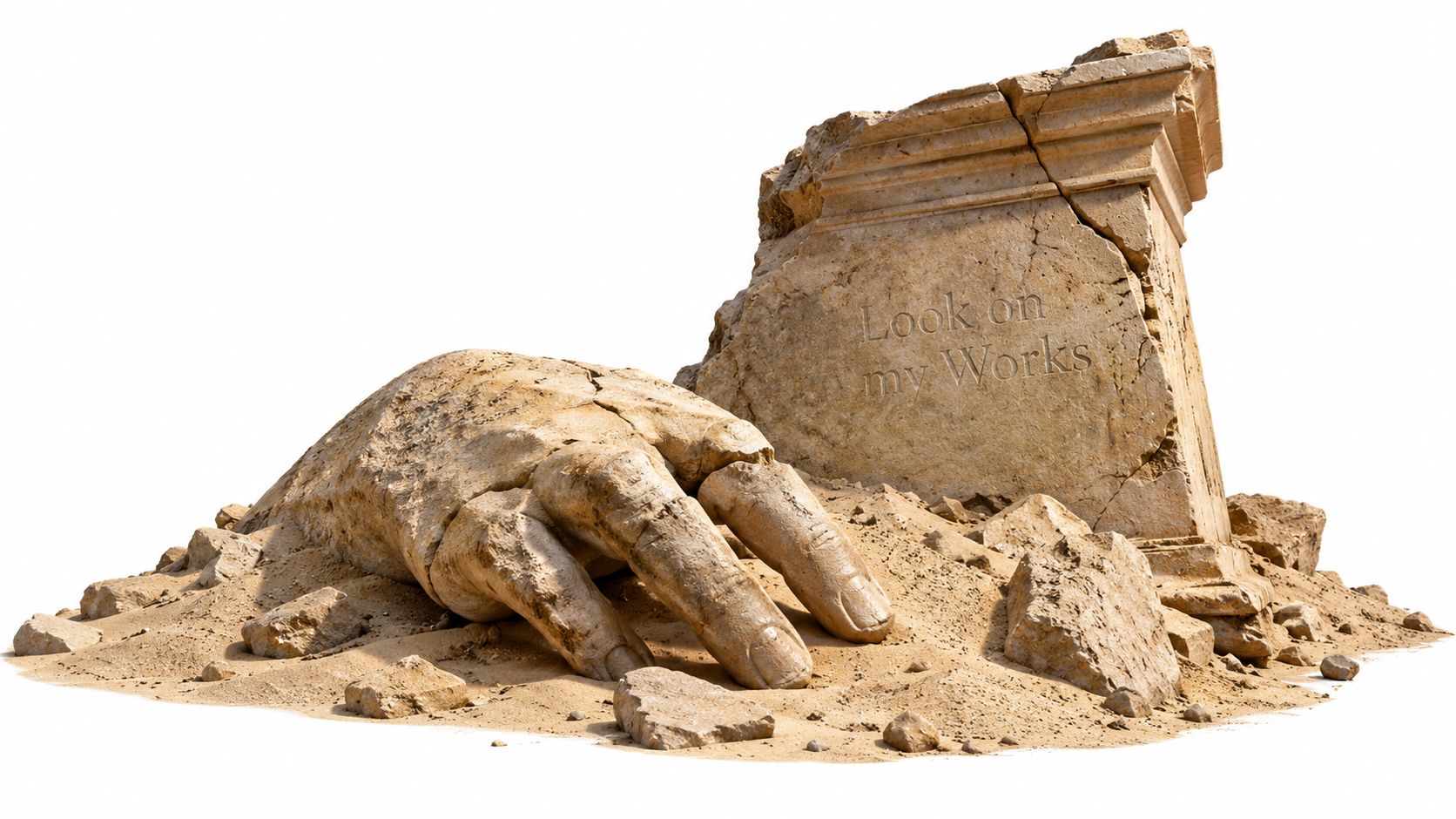
Shelley's poem is short, tightly shaped and ideal for practising irony. A traveller describes a broken statue in a desert, while the inscription on the ruin boasts about the ruler's greatness. The king's words survive, but the power they celebrate has disappeared.
Practice question: How does Shelley present the temporary nature of power?
Start with the frame narrative. The speaker doesn't see Ozymandias directly. Instead, the story passes through a traveller, who reports what another person saw. That distance makes the king seem less important. His voice has been replaced by a description of his remains.
Mark the movement from the ruler's proud command, “Look on my Works, ye Mighty, and despair!”, to “lone and level sands”. “Boundless” sounds vast and powerful when connected to the king's works, but the surrounding desert gives the word an ironic edge. The only thing that seems endless is the emptiness.
Model paragraph: Shelley uses the ruined statue to expose the irony of political pride. Ozymandias orders other powerful people to look at his achievements and feel despair, but the reader sees no surviving empire around him. The inscription has become evidence against the king because its confident language contrasts with the “lone and level sands” that now surround the broken statue. Shelley's frame narrative also reduces Ozymandias' importance. The ruler is not allowed to speak directly to the reader. His identity is filtered through a traveller, a sculptor and a damaged monument, suggesting that time has stripped away both his authority and his control over how he is remembered. Enjambment helps the description flow across line endings, reflecting the movement of time beyond any individual kingdom.
Structure tactic: Use a “before and after” paragraph. Explain what the ruler believed about his power, then contrast it with what remains.
For further board-aware practice, use GCSE Past Papers to compare how command words shape your response.
3. Exposure by Wilfred Owen
“Exposure” makes nature feel like an attacking force. The soldiers are waiting in trenches, but the poem's main enemy is not shown as an opposing army. Cold, wind, darkness and uncertainty create a repeated experience of physical and psychological suffering.
Practice question: How does Owen present the soldiers' helplessness?
Read the poem once for the situation. On a second reading, list the personified elements. The weather seems to have intention and movement, while the soldiers become passive figures waiting for something to happen. Then track the refrain, “But nothing happens”. Its meaning changes as the poem develops. At first it suggests frustration. Later it sounds like a death sentence.
Pay attention to the irregular movement of the lines. Some phrases feel slowed by pauses, while others push forward through enjambment. The form refuses the clean, confident rhythm often associated with patriotic war poetry.
Model paragraph: Owen presents the soldiers as trapped between the violence they expect and the natural forces that genuinely destroy them. Personification makes the weather seem aggressive, so the wind appears to attack rather than just blow. This changes the reader's understanding of war. The soldiers aren't shown as heroic figures moving towards a clear victory. They're exhausted people exposed to forces they can't control. The refrain “But nothing happens” creates a cycle of waiting, but it also becomes increasingly disturbing. Nothing may happen in terms of military action, yet the soldiers continue to suffer and die. Owen's repetition therefore exposes the difference between visible battle and the quiet destruction caused by cold, fear and hopelessness.
A comparison route
If you're comparing “Exposure” with another poem, don't compare only the subject of war. Compare how each poet makes the reader experience it. You might contrast Owen's repetitive waiting with a poem that uses energetic rhythm to celebrate action. You could also compare personified nature with human enemies or political leaders.
Comparative rule: Write about both poems in every main comparison paragraph. A single-poem paragraph can't demonstrate developed comparison.
WJEC guidance recommends reading an unseen poem repeatedly, first for gist, then for meaning and finally for detail and effects. Its advice also stresses reading in units of sense rather than treating every line as an isolated item. That approach works well here because each stanza adds another stage to the soldiers' physical and emotional decline.
4. The Charge of the Light Brigade by Alfred Lord Tennyson
Read Tennyson aloud before you annotate. The poem's rhythm can sound like galloping horses, particularly in the repeated movement of stressed and unstressed syllables. Sound isn't decoration here. It puts the reader inside a charging group while the words raise difficult questions about obedience and sacrifice.
Practice question: How does Tennyson present the courage of the soldiers?
Mark the repeated phrases, including “Theirs not to reason why” and “Into the valley of Death”. Repetition creates a public, memorable voice, as though the poem is turning a military event into a shared national memory. However, the line about not questioning orders can be read in two ways. It may praise discipline, or it may hint that the soldiers were sent into danger without the right to challenge the decision.
Model analytical paragraph: Tennyson presents the soldiers' courage through a rhythm that imitates rapid movement. The driving beat makes the charge feel unstoppable, while repeated references to the valley of Death remind the reader that this energy leads directly towards danger. “Theirs not to reason why” gives the soldiers a clear role: they must obey rather than debate the command. The statement sounds respectful because it presents obedience as part of military duty, but it can also sound troubling because the soldiers are denied a voice in the decision. Tennyson therefore celebrates their bravery without completely removing the possibility of criticism. The final praise asks readers to remember the soldiers' sacrifice, even though the poem has shown that their courage existed within a disastrous command.
Perspective check:
- Celebration: The rhythm, repetition and ending make the soldiers sound heroic.
- Critique: “Theirs not to reason why” may expose the danger of unquestioning authority.
- Balanced judgement: Tennyson honours the soldiers while leaving room to question the system that sent them forward.
Timing tactic: Spend one minute reading the poem aloud, then choose one sound feature and one change in perspective. That's enough to build a focused response instead of listing every technique.
5. A Poison Tree by William Blake
“A Poison Tree” sounds simple because its rhyme and rhythm are easy to follow. Its moral meaning is far less comfortable. Blake turns anger into an extended metaphor, showing how an emotion grows when the speaker hides it, feeds it and allows it to become poisonous.
Practice question: How does Blake present the consequences of hidden anger?
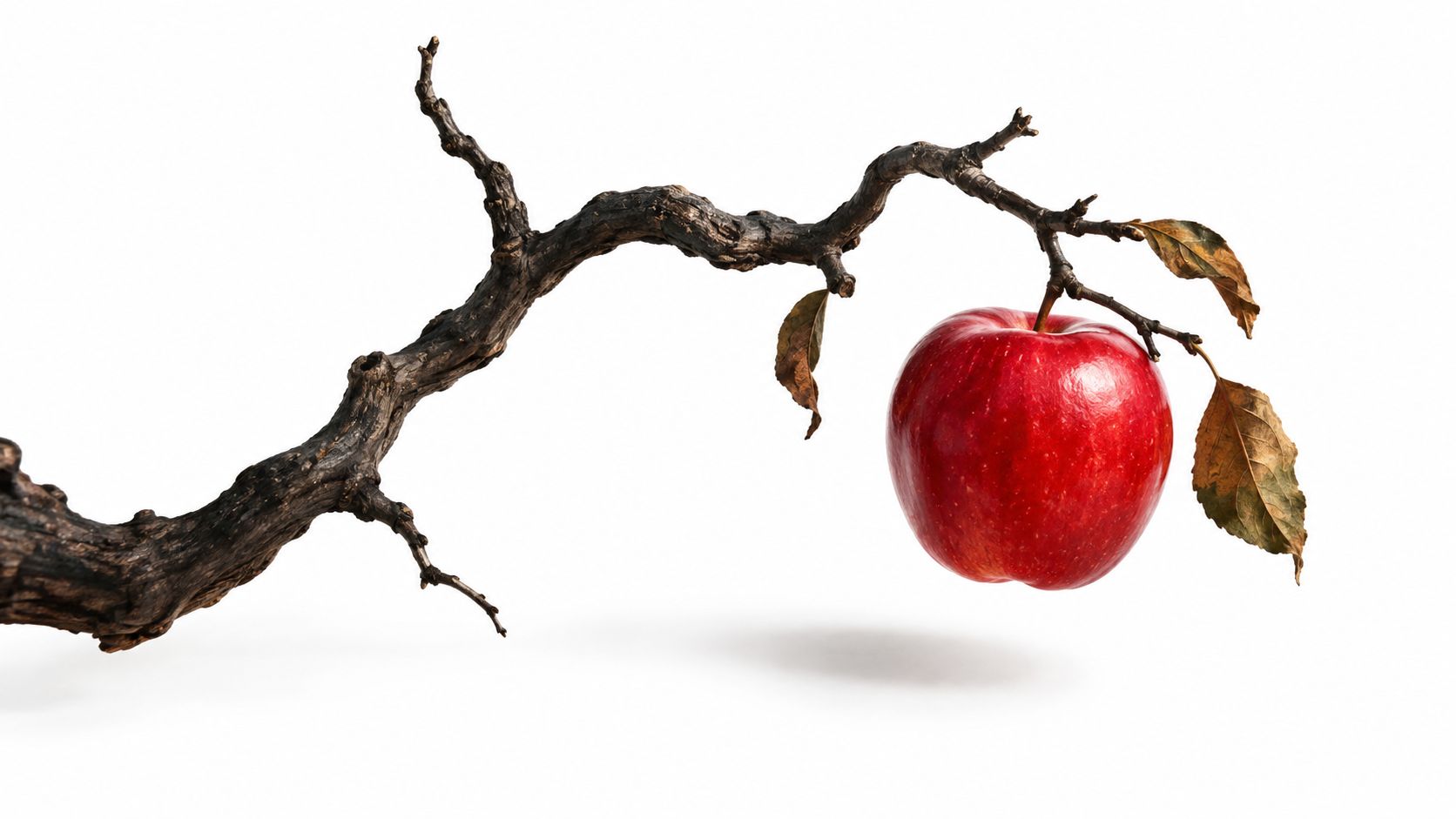
Trace the metaphor in stages. The speaker begins with anger, then describes the emotion as something cultivated, then presents the tree and its fruit as the result. The “apple” may carry biblical associations with temptation, knowledge and the Fall, but don't treat that association as a fixed answer. Explain how it makes the final act seem more deliberate and morally loaded.
The narrative voice also deserves attention. The speaker admits to hiding anger from an enemy and nurturing it through deceit. That honesty doesn't necessarily make the voice trustworthy. A speaker can reveal facts while still trying to control the reader's judgement.
Model paragraph: Blake presents suppressed anger as a form of deliberate cultivation. The speaker says that anger grew because it wasn't expressed, then develops the extended metaphor of a tree producing poisonous fruit. Each stage makes the emotion seem more powerful and less natural, because the speaker actively feeds it through fear and deception. The regular rhyme gives the poem a childlike, almost nursery-rhyme quality, but the content describes revenge and death. This contrast makes the speaker's behaviour more unsettling. The final couplet may sound triumphant because the speaker describes the enemy beneath the tree, yet that satisfaction also reveals moral corruption. Blake leaves us questioning whether the speaker is celebrating revenge or exposing the ugliness of doing so.
Structure tactic: Save the final couplet for your judgement. Return to it after analysing the metaphor so your conclusion feels earned rather than predictable.
6. Dulce et Decorum Est by Wilfred Owen
Owen's poem begins with soldiers who are physically broken, not glorious. It then shifts into the horror of a gas attack before addressing a reader who might still believe that dying for one's country is noble. The poem's form supports a moral argument, but its images do most of the emotional work.
Practice question: How does Owen challenge romantic ideas about war?
Look for the volta, the point where the poem changes direction. The direct address near the end turns the poem from a scene witnessed by the speaker into an accusation aimed at someone who promotes patriotic idealism. Mark the gas imagery and verbs such as “writhed” and “gargling”. These words force the reader to confront the body's suffering rather than imagine an honourable, clean death.
Owen's description of the soldiers as “beggars” is especially important. The comparison strips away heroic imagery and presents them as exhausted, vulnerable people. The controlled structure can't make the experience neat or noble, because the imagery keeps breaking through with physical pain.
Model paragraph: Owen uses graphic imagery to destroy the idea that war offers a sweet or fitting death. The soldiers are described as “beggars”, a metaphor that presents them as weak, impoverished and far removed from traditional images of military glory. During the gas attack, verbs such as “writhed” and “gargling” focus on uncontrolled bodily suffering. The reader is forced to imagine a death that is painful and degrading rather than noble. Owen's later direct address makes the poem confrontational. By speaking to someone who tells children the patriotic message is true, he turns his personal memory into a warning. The title therefore becomes bitterly ironic, because the poem repeatedly proves the opposite of what its Latin phrase appears to claim.
Use Exam Practice for GCSE to practise identifying the command word before you begin. If the question asks how Owen challenges an idea, every paragraph should return to that challenge.
7. Havisham by Carol Ann Duffy
Duffy's “Havisham” is a dramatic monologue spoken by the abandoned bride from Great Expectations. The speaker's voice is intimate, angry and unstable. Because we hear only her version of events, the poem encourages sympathy without asking us to accept every part of her self-presentation.
Practice question: How does Duffy present the speaker's emotional conflict?
Begin by following the emotional movement rather than labelling every violent word. The speaker's rage shifts between hatred, longing, memory and a desire for physical closeness. The poem's fragmented syntax makes these shifts feel sudden, as though she can't organise her thoughts into a calm narrative.
Mark the repeated negatives, including “not” and “no”. They suggest rejection, but they also show the speaker trying to deny feelings that remain powerful. The violent imagery of biting, burning and drowning turns emotional pain into imagined physical action.
Model paragraph: Duffy presents Havisham's anger as inseparable from her continuing desire. The dramatic monologue gives the speaker direct control of the poem, but her fragmented syntax suggests that she can't control her emotions. Short, broken phrases interrupt the flow of thought, reflecting a mind caught between memory and revenge. The repeated negatives seem to reject the absent lover, yet their frequency also implies that he remains central to her thinking. Violent images such as “bite”, “burn” and “drown” make love sound physically dangerous, but they can also reveal the intensity of the attachment beneath the hatred. Duffy creates a morally complex voice because Havisham is both a victim of betrayal and someone consumed by bitterness.
A voice-led annotation
Write “what she says”, “what she feels” and “what she hides” beside different parts of the poem. This prevents a flat reading in which every violent image means anger. Her contradictions are the point. The speaker wants to punish the person who hurt her, but she also remains emotionally tied to him.
For more practice with this kind of character voice, use Duffy selected poems analysis and compare how a dramatic monologue reveals a speaker's limitations.
8. London by William Blake
“London” works as a poem of protest because Blake makes ordinary movement reveal a whole social system. The speaker walks through the city, hears suffering and notices how institutions affect individual lives. The poem's regular shape makes its criticism sound controlled and deliberate rather than spontaneous.
Practice question: How does Blake present suffering in the city?
The repeated openings “I wander”, “I hear”, “I see” and “I mark” create anaphora. The speaker keeps returning to observation, so the poem feels like a record of evidence. Mark “chartered” wherever it appears. Applying a word linked to ownership and legal control to streets and a river suggests that even public spaces have been restricted by powerful institutions.
The chimney sweeps, soldiers and prostitutes are not random examples. Blake focuses on people whose lives reveal the effects of poverty, exploitation and political decisions. The final image of the newborn infected by disease brings social suffering into family life and suggests that corruption reaches from public institutions into the most vulnerable homes.
Model paragraph: Blake uses anaphora to build an argument from repeated observation. The openings “I wander”, “I hear”, “I see” and “I mark” make the speaker sound like a witness collecting evidence of suffering across the city. The repeated adjective “chartered” is ironic because it suggests ownership and control when applied to streets and the river, spaces that might be expected to belong to everyone. Blake therefore links individual misery to wider systems of power. His focus on chimney sweeps and soldiers shows how children and workers bear the consequences of institutions they don't control. By ending with an image of a newborn affected by disease, Blake suggests that social corruption reproduces itself across generations.
Comparison tactic: If you compare “London” with another protest poem, compare the speaker's method as well as the suffering. Blake's speaker walks, hears and records. Another poet might use direct address, a dramatic monologue or a changing narrative voice.
Comparison of 8 Unseen Poems
| Poem | Complexity 🔄 | Resources ⚡ | Expected outcomes 📊 | Ideal use cases 💡 | Key advantages ⭐ |
|---|---|---|---|---|---|
| The Tyger, William Blake | Moderate, clear devices with philosophical depth | Low–Medium prep; short text; some Blake/'The Lamb' context helpful | High: device identification and layered interpretation | Unseen practice, device-focused lessons, compare with "The Lamb" | Clear repetition/anaphora, manageable length, rich vocabulary |
| Ozymandias, P.B. Shelley | Moderate, sonnet form + irony; twist may need guidance | Low prep; short sonnet; brief historical context useful | Strong: teaches irony, volta, and narrative framing | Irony/sonnet lessons, impermanence themes, close-reading tasks | Memorable irony, clear thematic focus, accessible language |
| Exposure, Wilfred Owen | High, irregular form, refrain, WWI context; layered meanings | Medium prep; WWI background recommended for full impact | High: deep thematic insight; form-function analysis; empathy | War-poetry units, form serving meaning, deeper unseen analysis | Powerful anti-war message; form reinforces despair |
| The Charge of the Light Brigade, Tennyson | Moderate, rhythmic/anapestic analysis plus narrative perspective | Low–Medium prep; reading aloud advised to reveal rhythm | High: rhythm and oral performance skills; perspective debate | Performance/rhythm lessons, duty vs critique discussions | Energetic rhythm, memorable refrains, strong narrative drive |
| A Poison Tree, William Blake | Low–Moderate, sustained extended metaphor with moral nuance | Low prep; short text; minimal context required | Good: practice tracing extended metaphor and unreliable voice | Metaphor-focused lessons, quick exam responses, debate on morality | Coherent metaphor, concise for exam analysis, moral ambiguity |
| Dulce et Decorum Est, Wilfred Owen | High, graphic imagery, volta, direct address; sensitive content | Medium prep; WWI context and content warnings advisable | High: rhetorical/moral analysis and vivid imagery interpretation | Persuasive rhetoric, war poetry, ethical debates | Unforgettable imagery, clear anti-war argument, strong direct address |
| Havisham, Carol Ann Duffy | Moderate, dramatic monologue, fragmented syntax, intertextuality | Low–Medium prep; Great Expectations context helpful but optional | Good: character voice, tone and syntax analysis | Dramatic monologue study, character-focused lessons, modern poetry | Immediate contemporary voice, psychological complexity, vivid imagery |
| London, William Blake | Moderate, anaphora and social critique with socio-historical layers | Low–Medium prep; Industrial Revolution context beneficial | High: argument construction and protest language analysis | Social-protest units, comparative studies with romantic nature poems | Forceful anaphora, clear protest stance, quotable imagery |
Build a Reliable Unseen Poetry Routine
These poems reward the same basic habit: move from a first impression to a precise argument. Start by identifying the speaker's situation. Who is speaking, what has happened, and what seems to change during the poem? You don't need a perfect interpretation before you begin. You need a defensible one that you can support with carefully chosen evidence.
On your next reading, mark a few words rather than covering the poem in highlighter. Choose language that reveals emotion, attitude or conflict. Then identify one structural movement, such as a change from pride to emptiness, waiting to despair, memory to rage or observation to protest. This gives your response direction. It also stops you from writing separate technique paragraphs that never answer the question.
A useful paragraph shape is:
- Interpretation: State what the poet presents and connect it directly to the question.
- Evidence: Select a short quotation or precise word.
- Method: Name the relevant technique, such as metaphor, anaphora, personification, enjambment, dramatic monologue or irony.
- Meaning and effect: Explain what the choice suggests and how it shapes the reader's response.
- Development: Add a second interpretation, contrast or structural link.
You don't need to use every term you know. “This metaphor shows anger” is a starting point, not a finished explanation. Push it further by asking what kind of anger, why the poet presents it through that image and whether the image creates sympathy, criticism or uncertainty. Resources explaining literary elements can help you revise terminology, but terminology only matters when it sharpens your interpretation.
Timing becomes easier when you make a decision rule. Read for the overall situation, annotate a few connected details, identify a change and start writing. If you're still searching for devices after you've found evidence for the question, you're probably delaying the most valuable part of the task, your explanation.
For comparison questions, make both poems visible throughout the response. Compare the poets' ideas, but also compare their methods. One poem may use repetition to show entrapment while another uses a changing rhythm to show freedom or panic. WJEC guidance highlights detailed coverage of both poems, developed comparison of ideas and language, attention to subtext and a strong focus on imagery and effects. Those are useful targets for any board, even though the exact question format depends on whether you're preparing for AQA, Edexcel, OCR, WJEC or Eduqas.
AQA's unseen poetry design gives equal weight to AO1 and AO2 in the unseen section, with each assessed through 12 marks, making a total of 24 marks for that section. The AQA mark scheme describes the highest level as a “critical, exploratory” response using precise references. That gives students a practical target. Offer a personal interpretation, support it accurately and analyse how language, form or structure creates meaning.
Teachers can use the same lens when giving feedback:
- Interpretation: Does the student answer the question with a clear idea?
- Evidence: Do quotations support that idea rather than merely decorate it?
- Terminology: Does the student name methods accurately and use them purposefully?
- Structure: Does the response explain changes, contrasts or patterns across the poem?
- Clarity: Can a reader follow the argument from paragraph to paragraph?
After one timed response, self-check every quotation. If a quotation doesn't support the sentence around it, replace it or change the argument. Then rewrite the weakest paragraph, adding a clearer explanation of meaning or effect. MasteryMind can support this routine with examiner-style questions, adaptive practice and structured unseen-poetry feedback organised around command words, assessment objectives and mark allocations.
MasteryMind offers UK GCSE English Literature practice for unseen poetry analysis and comparison, with board-aware questions, model support and structured feedback. Use it to practise one poem at a time, compare two unseen poems and identify the exact step your next response needs. Visit MasteryMind to start building a more reliable exam routine.
Ready to master this topic?
Practise with quizzes, blurt exercises and exam questions on MasteryMind.
7 days Premium · Then free forever · No card, no charge