Pearson Edexcel · GCSE · French
Theme 5: International and global dimension
Master Theme 5: International and Global Dimension for your GCSE French exam. This guide covers essential vocabulary, high-level grammar structures like the conditional and subjunctive, and the exam techniques needed to secure top marks across all four papers.
- 5 min read
- 3 worked examples
- 5 practice questions
- 6 key terms
Study Notes
Overview
Theme 5: The International and Global Dimension is one of the most dynamic and relevant areas of the GCSE French specification. It moves beyond personal experiences to explore how the French language connects to global issues that affect us all. Examiners love this theme because it provides a platform for candidates to demonstrate sophisticated vocabulary, complex grammar, and well-developed opinions. To achieve the highest grades, you must move beyond simply stating facts in the present tense; you need to debate solutions using the conditional, express necessity using the subjunctive, and structure balanced arguments using advanced discourse markers.
This guide will walk you through the core vocabulary for the key sub-topics, provide you with the essential grammatical structures, and give you the exam technique strategies needed to maximise your marks in the listening, reading, speaking, and writing papers.
Listen to our comprehensive revision podcast to hear pronunciation, exam tips, and a quick-fire quiz:
Core Vocabulary & Sub-Topics
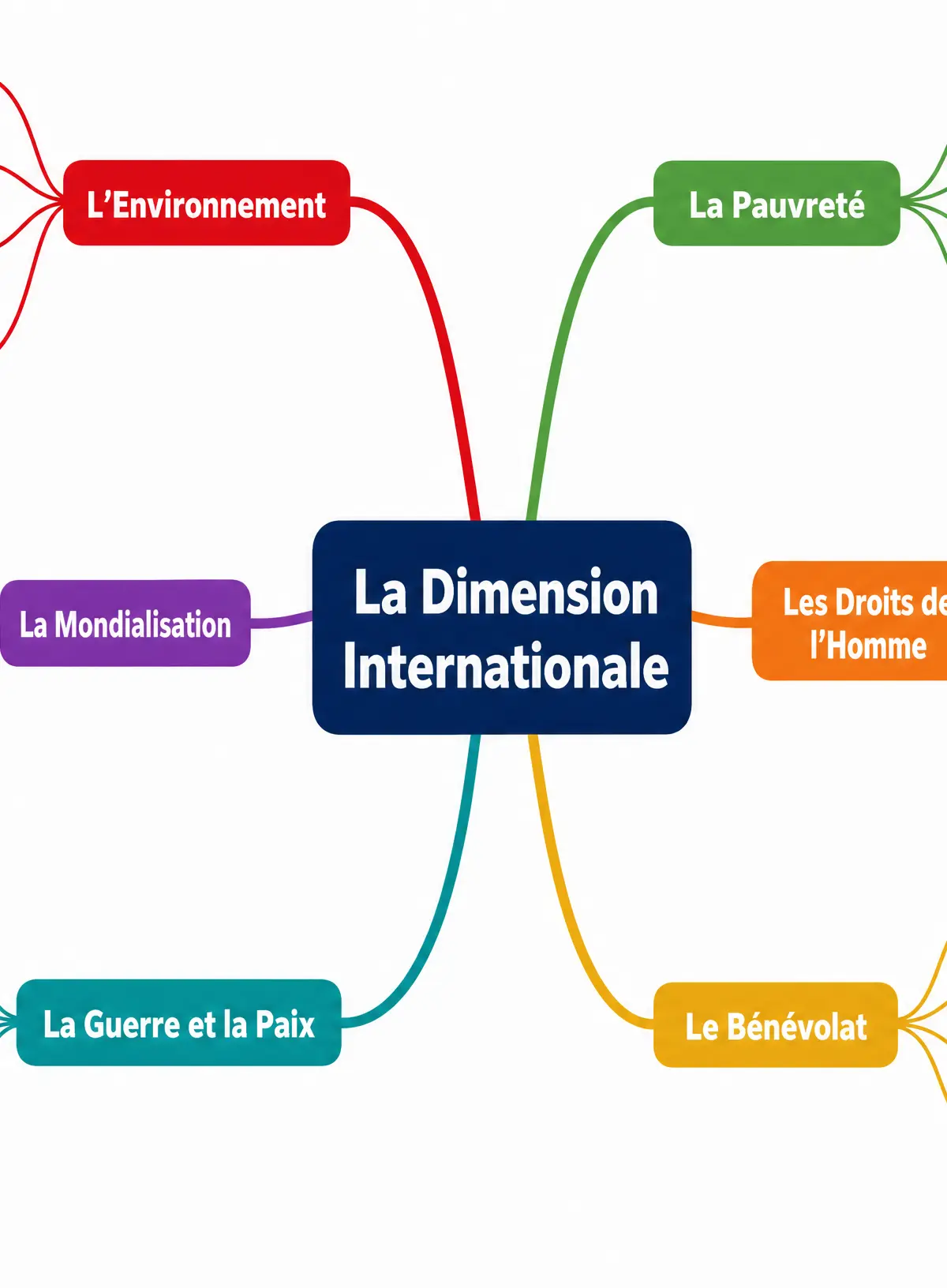
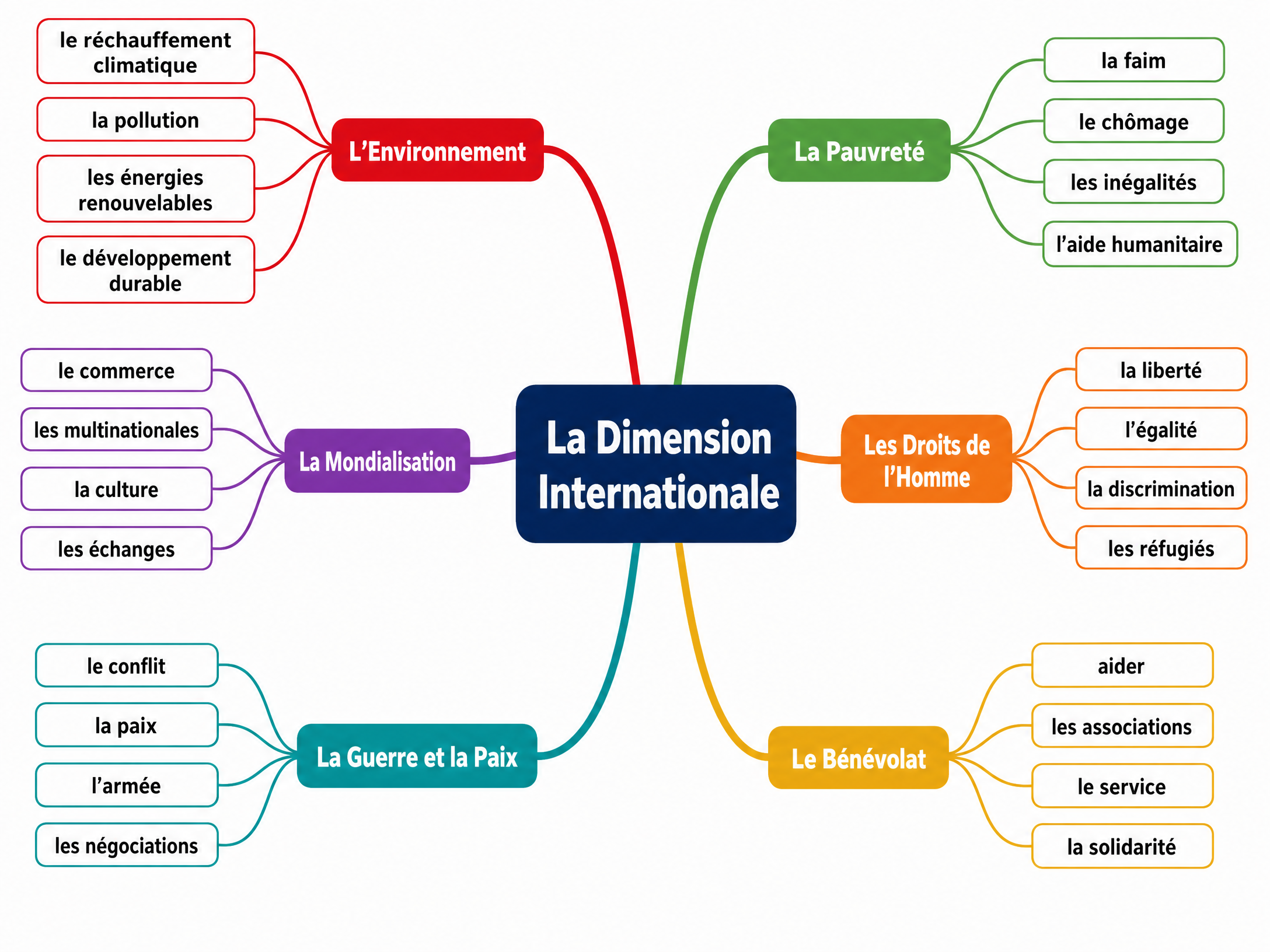
Theme 5 is typically divided into several key sub-topics. You need a strong foundation of vocabulary in each area to access the higher mark bands.
1. L'environnement (The Environment)
This is the most frequently assessed topic within this theme. You must be able to discuss problems and solutions.
Key Nouns:
- Le réchauffement climatique: global warming
- L'effet de serre: the greenhouse effect
- Les énergies renouvelables: renewable energies
- Le déboisement / la déforestation: deforestation
- Les déchets: rubbish / waste
Key Verbs:
- Protéger: to protect
- Détruire: to destroy
- Menacer: to threaten
- Gaspiller: to waste
- Recycler: to recycle
2. La pauvreté et les problèmes sociaux (Poverty and Social Issues)
Examiners look for empathy and understanding of social inequalities.
Key Nouns:
- Le chômage: unemployment
- Les sans-abri / les SDF: homeless people
- La faim: hunger
- Une association caritative: a charity
- Le tiers-monde: the developing world
3. Les droits de l'homme (Human Rights)
This sub-topic requires mature vocabulary and the ability to express strong opinions.
Key Vocabulary:
- L'égalité (f): equality
- La liberté: freedom
- Un réfugié: a refugee
- Le racisme: racism
- La discrimination: discrimination
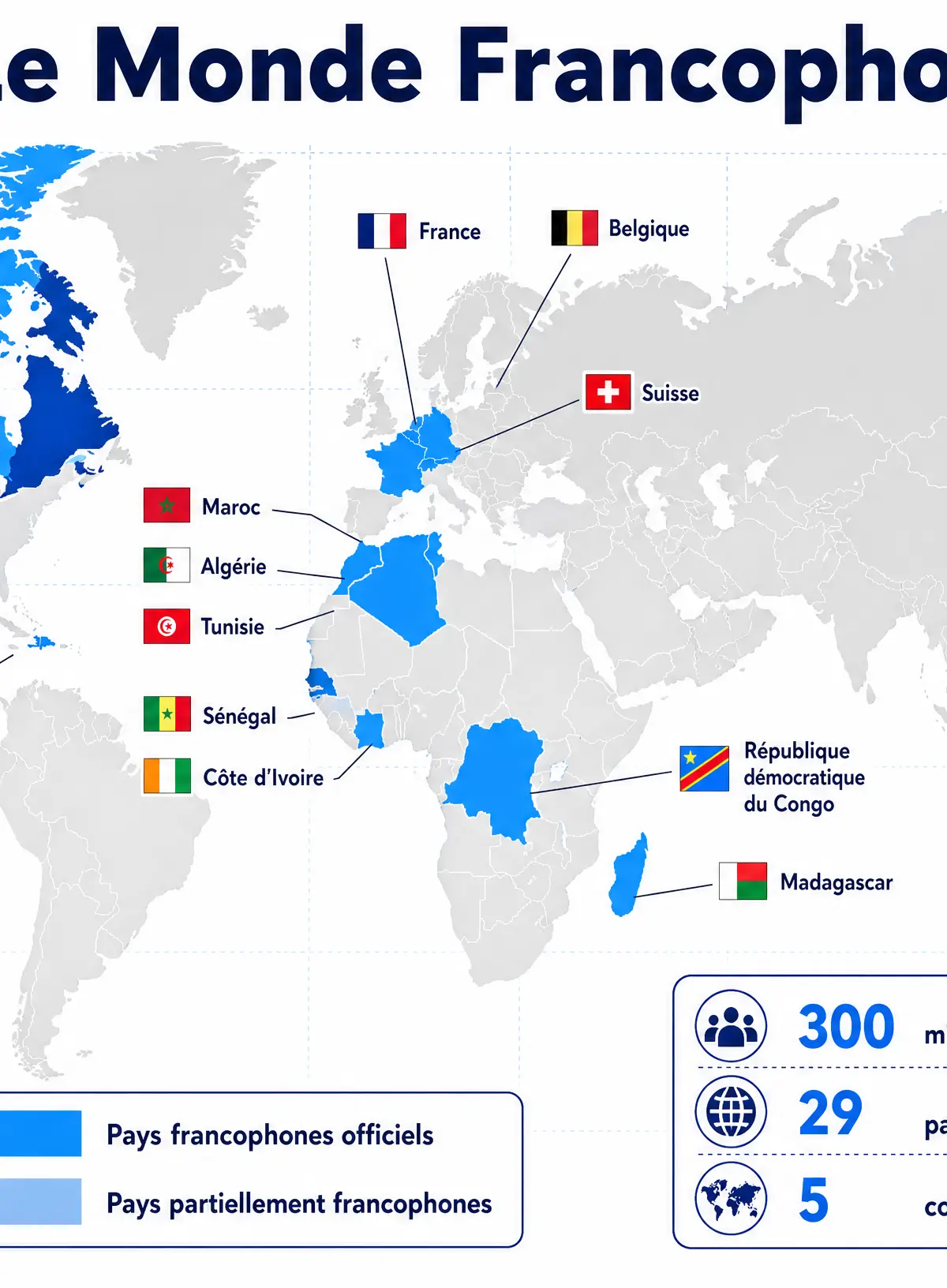
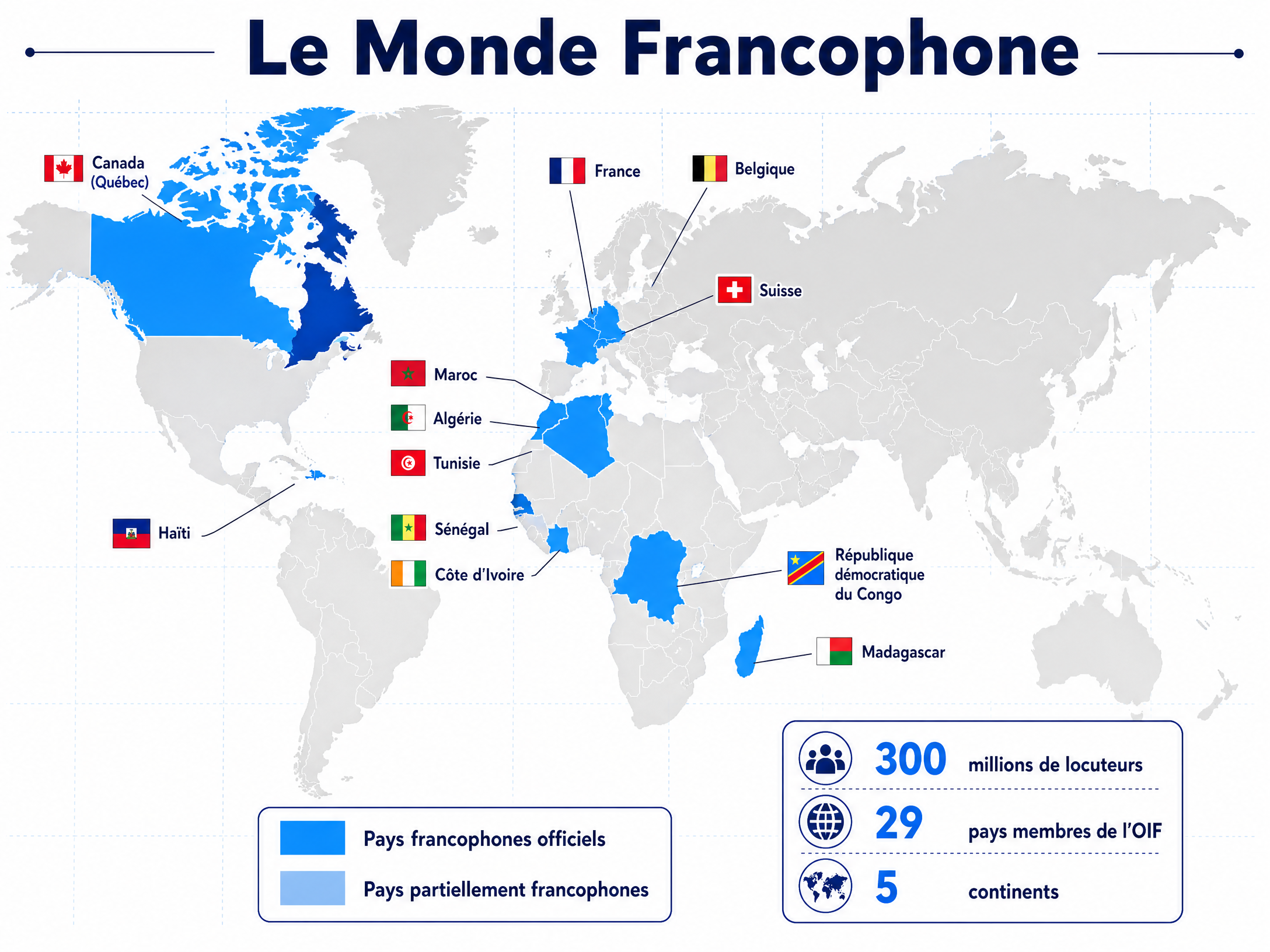
4. La Francophonie (The French-Speaking World)
Understanding that French is a global language is crucial. You may be asked about international events or francophone countries.
High-Level Grammar Structures
To access the top mark bands (Grades 7-9), you must demonstrate a range of complex structures. Theme 5 is the perfect place to deploy them.
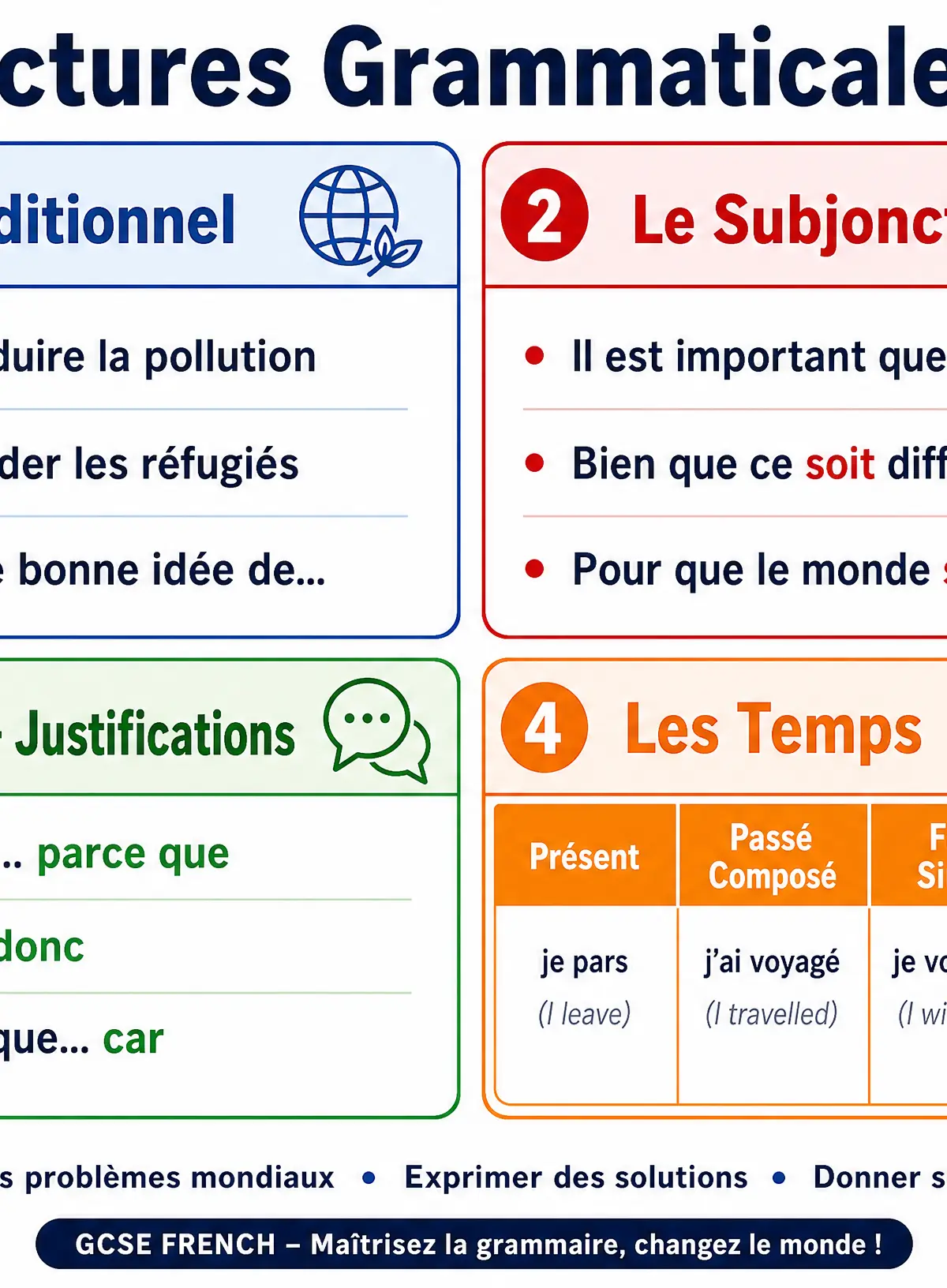
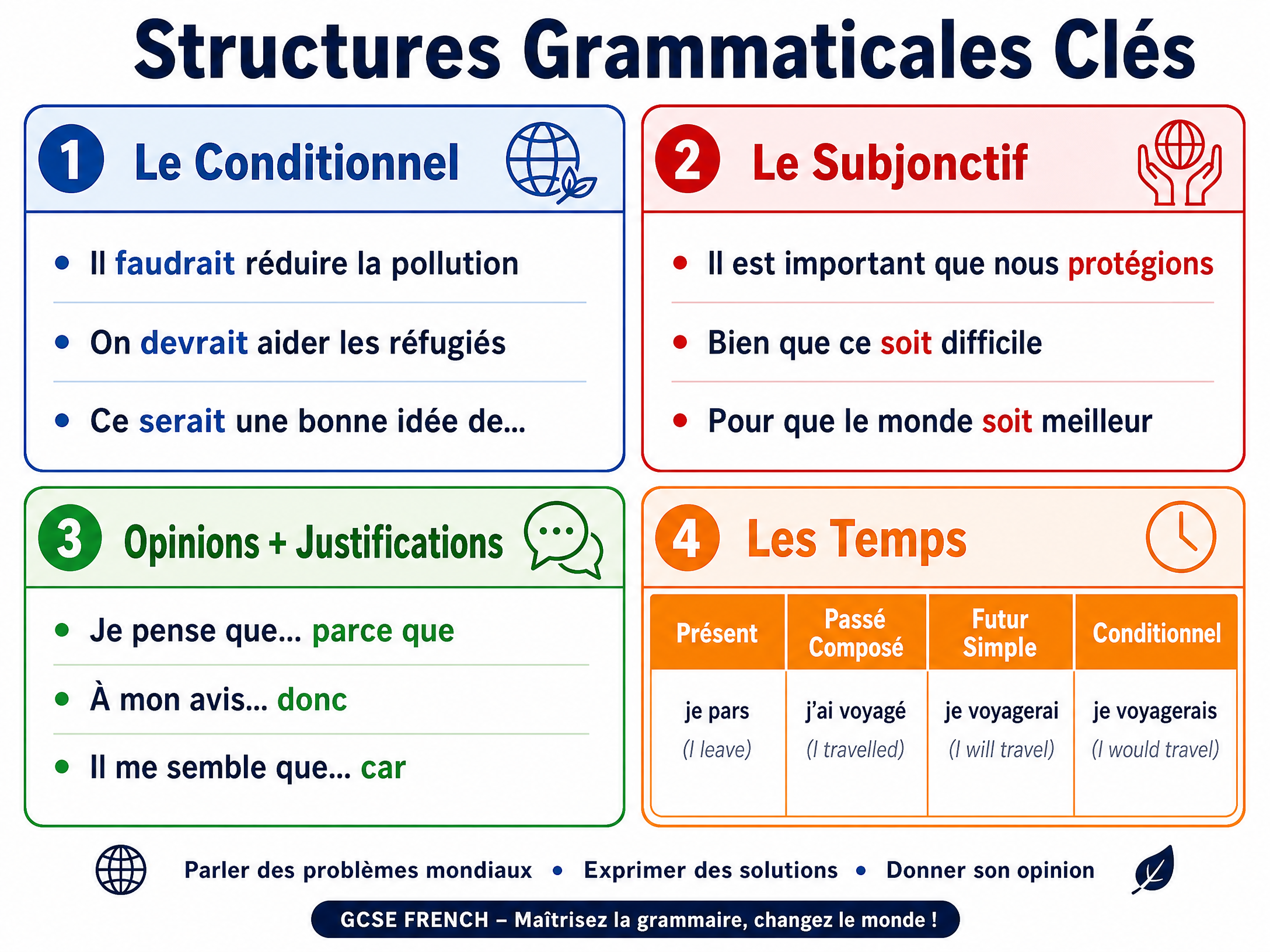
The Conditional Tense (Le Conditionnel)
Global issues often involve discussing what should or could be done. The conditional is essential for this.
- Il faudrait + infinitive: It would be necessary to... (e.g., Il faudrait réduire les émissions de gaz)
- On devrait + infinitive: We should... (e.g., On devrait utiliser plus de transports en commun)
- Ce serait + adjective: It would be... (e.g., Ce serait une catastrophe si nous ne faisions rien)
The Subjunctive (Le Subjonctif)
The subjunctive is a mood used to express necessity, emotion, or doubt. You don't need to master every conjugation; memorising a few set phrases is enough to impress the examiner.
- Il est important que nous protégions l'environnement: It is important that we protect the environment.
- Il faut qu'on fasse un effort: It is necessary that we make an effort.
- Bien que ce soit difficile: Although it is difficult.
Advanced Connectives (Les Mots de Liaison)
Using basic connectives like et (and) and mais (but) limits your marks. Upgrade your writing and speaking with these:
- Cependant / Néanmoins: However / Nevertheless
- D'une part... d'autre part: On the one hand... on the other hand
- En revanche: On the other hand / In contrast
- Par conséquent: Consequently
- De plus: Furthermore
Exam Technique: The 'Developed' Answer
In both speaking and writing, mark schemes consistently reward 'developed' responses. A developed response goes beyond a simple statement by adding a reason, a consequence, or an example.
Basic (Grades 4-5):
La pollution est un grand problème. (Pollution is a big problem.)
Developed (Grades 6-7):
La pollution est un grand problème parce qu'elle cause des maladies respiratoires. (Pollution is a big problem because it causes respiratory diseases.)
Highly Developed (Grades 8-9):
La pollution est un grand problème parce qu'elle cause des maladies respiratoires, surtout chez les enfants. Par conséquent, il faudrait interdire les voitures dans le centre-ville. (Pollution is a big problem because it causes respiratory diseases, especially in children. Consequently, we would need to ban cars in the city centre.)
Visual Resources
3 diagrams and illustrations
Interactive Diagrams
1 interactive diagram to visualise key concepts
Conceptual Flow Outline
Mind map structuring an essay on global warming
Worked Examples
3 worked examples — open one to explore the question and available guidance.
Practice Questions
Test your understanding — click to reveal model answers
Writing Task (150 words): Vous écrivez un blog sur les problèmes mondiaux. Mentionnez:
- Le problème global qui vous inquiète le plus et pourquoi.
- Ce que votre gouvernement a fait récemment pour combattre ce problème.
- Ce que vous ferez personnellement à l'avenir pour aider.
Hint: Ensure you cover all three bullet points. Use the present tense for the first, the passé composé/imparfait for the second, and the futur simple for the third. Include complex structures like the conditional or subjunctive.
Speaking (Role Play): Vous parlez avec votre ami(e) français(e) de l'environnement.
- Qu'est-ce que tu fais à la maison pour protéger l'environnement ?
- Quel est le plus grand problème environnemental dans ta ville ?
- ! (Respond to an unexpected question: Qu'est-ce que tu as fait le week-end dernier pour l'environnement ?)
Hint: For the unexpected question (!), listen carefully for the tense. 'Qu'est-ce que tu as fait' requires a past tense response.
Reading Comprehension: Lisez le texte et répondez aux questions en français.
Texte: L'association 'Médecins Sans Frontières' aide les personnes dans le besoin partout dans le monde. L'année dernière, ils ont envoyé des équipes médicales dans plusieurs pays touchés par la guerre. Bien que leur travail soit dangereux, les bénévoles restent dévoués. À l'avenir, ils espèrent recruter plus de jeunes médecins.
Questions:
- Que fait cette association ?
- Où sont-ils allés l'année dernière ?
- Quel est leur objectif pour l'avenir ?
Hint: You don't need to write full sentences, but your answers must be accurate and in French. Look for the tense in the question to find the answer in the text.
Translation into French (Sentences):
- I think that poverty is a serious problem.
- We must protect the environment.
- Last year, I worked for a charity.
Hint: Pay attention to gender agreements and tense.
Writing (90 words): Vous écrivez un e-mail à votre correspondant(e) sur le bénévolat. Mentionnez:
- Pourquoi le bénévolat est important.
- Une expérience de bénévolat que vous avez eue.
- Ce que vous voudriez faire à l'avenir pour aider les autres.
Hint: Use the PPFO rule: Past, Present, Future, Opinion.
Test your understanding of Theme 5: International and global dimension
Active recall beats re-reading. Take an instant quiz now to test what you’ve learned and lock it into long-term memory.
7 days Premium · Then free forever · No card, no charge