AQA · A-Level · English Literature
Course version: 7717 · Version from Sept 2026
In the way literary study is configured in this specification,…
Full specification wording
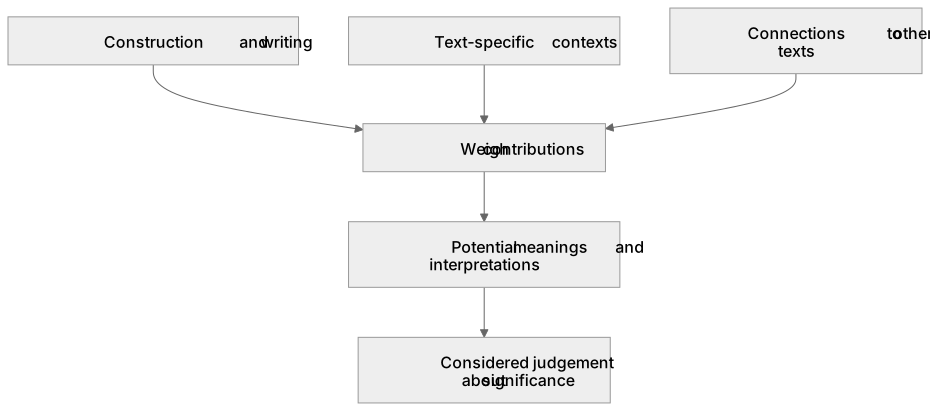
Subject content – A-level: In the way literary study is configured in this specification, significance involves weighing up all the potential contributions to how a text can be analysed: through the way the text is constructed and written; through text specific contexts that can be relevantly applied; through connecting the text(s) to other texts; and then finding potential meanings and interpretations.
Significance here is an integrative judgement.
Checked against the AQA 7717 specification (opens in a new tab) on .
- Point 9 of 9
- 4 key terms
Study notes
From the checked teaching notes for this specification point.
The idea
Significance here is an integrative judgement. You weigh several kinds of contribution rather than reaching for one correct meaning. First, construction and writing: form, structure, language, imagery, voice and dramatic or poetic technique. Second, text-specific contexts that can be relevantly applied: the conditions of production, reception and setting that genuinely illuminate this text, not generic background. Third, connections to other texts, whether by the same author, genre, period or theme, which reveal patterns and differences. From this weighing you propose potential meanings and interpretations, acknowledging alternatives where the evidence supports them. The skill is balance: each claim about meaning should be traceable to textual detail, relevant context or a illuminating connection, and you should show how these strands interact rather than listing them separately.
What earns the marks
- Weighs construction and writing, analysing how form, structure and language shape possible meanings.
- Applies text-specific contexts relevantly, selecting contextual material that genuinely illuminates the text rather than generic period detail.
- Makes connections to other texts that reveal meaningful similarities, differences or patterns.
- Proposes potential meanings and interpretations, recognising that more than one reading may be defensible.
- Integrates the strands so that textual detail, context and comparison work together in one argument.
- Reaches a considered judgement about significance rather than asserting a single fixed meaning.
Common mistakes and how to put them right
Treating context as a bolt-on paragraph of historical facts.
Put it right by selecting only context that changes how a specific detail is read.
Offering one interpretation as the only possible meaning.
Put it right by weighing alternatives and showing why one reading is stronger.
Comparing texts only by plot similarity.
Put it right by connecting them through form, genre, theme or treatment of an idea.
Exam tips
- Plan by strand: note construction points, relevant context and a connection, then decide which carry most weight for the question.
- Embed short quotations and precise references so each interpretive claim is anchored in the text.
- Use tentative but committed phrasing, such as 'this may suggest', to signal potential meanings while still arguing a case.
Try the lesson
The start of the Subject content – A-level: In the way literary study is configured in this specification, significance involves weighing up all the potential contributions to how a text can be analysed: through the way the text is constructed and written; through text specific contexts that can be relevantly applied; through connecting the text(s) to other texts; and then finding potential meanings and interpretations. lesson, made from checked teaching notes for this specification point.
Have a go first
When evaluating the overall 'significance' of a literary text, which combination of approaches provides the most comprehensive analysis?
Listen
Significance here is an integrative judgement. You weigh several kinds of contribution rather than reaching for one correct meaning. First, construction and writing: form, structure, language, imagery, voice and dramatic or poetic technique. Second, text-specific contexts that can be relevantly applied: the conditions of production, reception and setting that genuinely illuminate this text, not generic background. Third, connections to other texts, whether by the same author, genre, period or theme, which reveal patterns and differences. From this weighing you propose potential meanings and interpretations, acknowledging alternatives where the evidence supports them. The skill is balance: each claim about meaning should be traceable to textual detail, relevant context or a illuminating connection, and you should show how these strands interact rather than listing them separately. A strong answer earns marks for these points. Weighs construction and writing, analysing how form, structure and language shape possible meanings. Applies text-specific contexts relevantly, selecting contextual material that genuinely illuminates the text rather than generic period detail. Makes connections to other texts that reveal meaningful similarities, differences or patterns. Proposes potential meanings and interpretations, recognising that more than one reading may be defensible. A common slip: Treating context as a bolt-on paragraph of historical facts. Instead, selecting only context that changes how a specific detail is read. Exam tip: Plan by strand: note construction points, relevant context and a connection, then decide which carry most weight for the question.
See it
Key words
Say what each word means before you turn the card.
Integrated literary analysis
Try answering aloud or in your head before turning the card.
Relevant contextual application
Try answering aloud or in your head before turning the card.
Comparative connections
Try answering aloud or in your head before turning the card.
Plural and defended interpretation
Try answering aloud or in your head before turning the card.
See every definition
- Integrated literary analysis
- Weighing construction and writing, relevant context and connections together so that textual detail, context and comparison work in one argument rather than being listed separately.
- Relevant contextual application
- Selecting text-specific contexts that genuinely illuminate the text rather than generic period detail, so that context changes how a specific detail is read.
- Comparative connections
- Connecting the text to other texts through form, genre, theme or treatment of an idea to reveal meaningful similarities, differences or patterns.
- Plural and defended interpretation
- Proposing potential meanings and interpretations, recognising that more than one reading may be defensible, and weighing alternatives to reach a considered judgement about significance.
Label the diagram
Some boxes have lost their names. Pick the right name for each number.
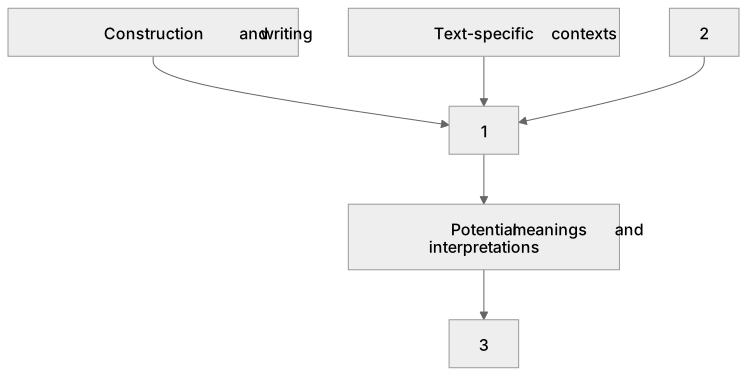
1Box 1
2Box 2
3Box 3
There is more to this lesson
The full lesson goes on to check your understanding and help you earn the marks. Create a free account to carry on, with your progress saved.
A week of Premium from your first lesson · Then the free plan continues · No card, no charge
Test your understanding of Subject content – A-level: In the way literary study is configured in this specification, significance involves weighing up all the potential contributions to how a text can be analysed: through the way the text is constructed and written; through text specific contexts that can be relevantly applied; through connecting the text(s) to other texts; and then finding potential meanings and interpretations.
Active recall beats re-reading. Take an instant quiz now to test what you’ve learned and lock it into long-term memory.
A week of Premium from your first lesson · Then the free plan continues · No card, no charge