OCR · GCSE · Food Preparation and Nutrition
Food production methods
Master the journey from farm to fork! This guide decodes the essential OCR GCSE Food Production Methods, giving you the examiner's perspective on processing, sustainability, and food security to help you secure top marks.
- 5 min read
- 3 worked examples
- 5 practice questions
- 8 key terms
Study Notes
Overview
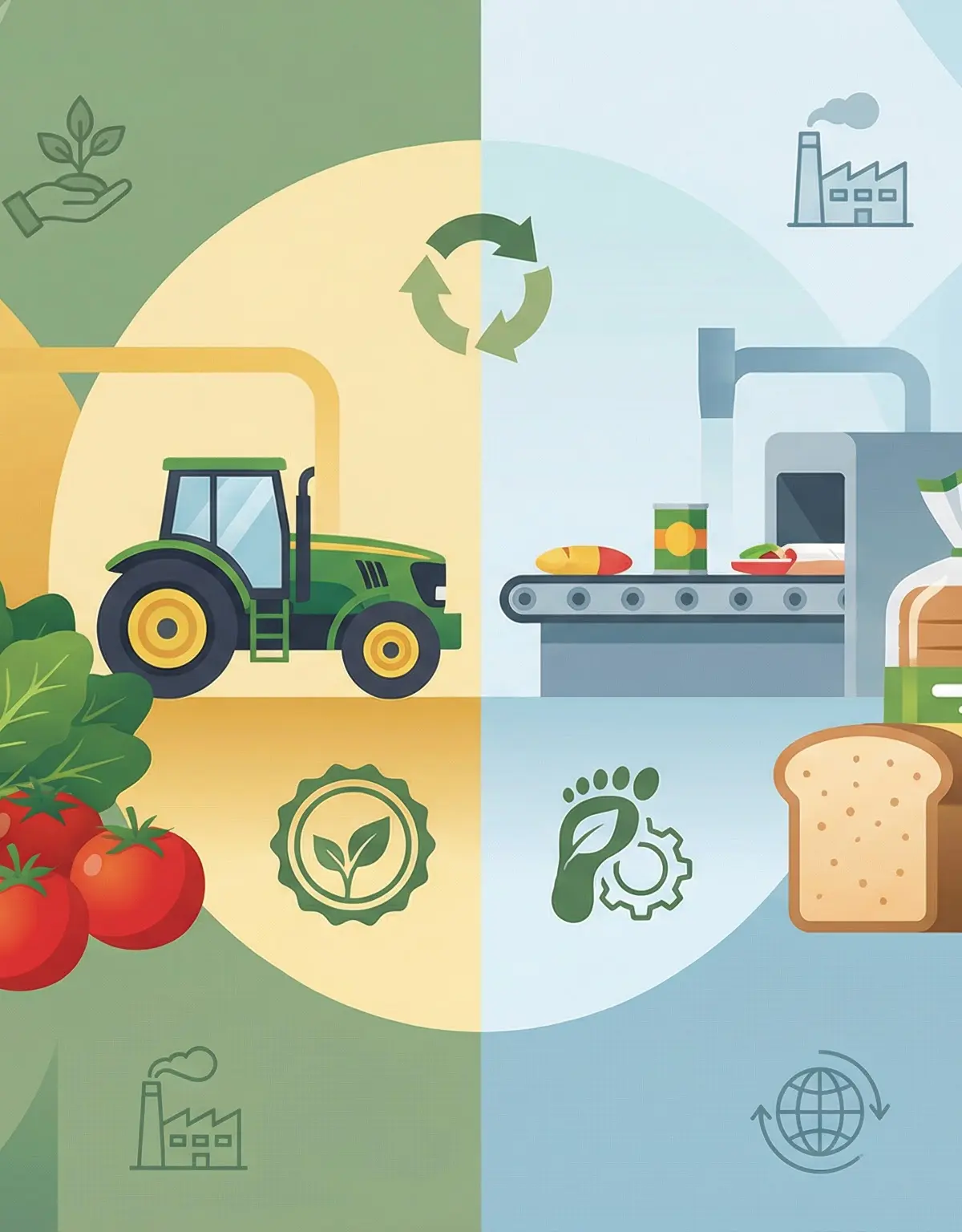
This topic explores the journey of food from its origin to the consumer, a critical area of study for the OCR J309 specification. A thorough understanding of food production methods is essential, as it forms the basis for understanding food availability, safety, and nutritional value. Examiners expect candidates to differentiate precisely between primary and secondary processing, critically evaluate the sustainability of different farming methods, and analyse the complex issue of food security. Marks are awarded for demonstrating specific knowledge of technological processes, such as pasteurisation temperatures, and the statutory requirements for food fortification. This guide will equip you with the detailed knowledge and analytical skills required to explain the processes, evaluate the impacts, and ultimately achieve the highest grades. You will learn the language of an examiner, focusing on causation, consequence, and the scientific principles that underpin modern food production.
Key Concepts in Food Production
Primary vs. Secondary Processing
Examiners frequently test the distinction between these two stages. Credit is given for clear definitions supported by accurate examples.
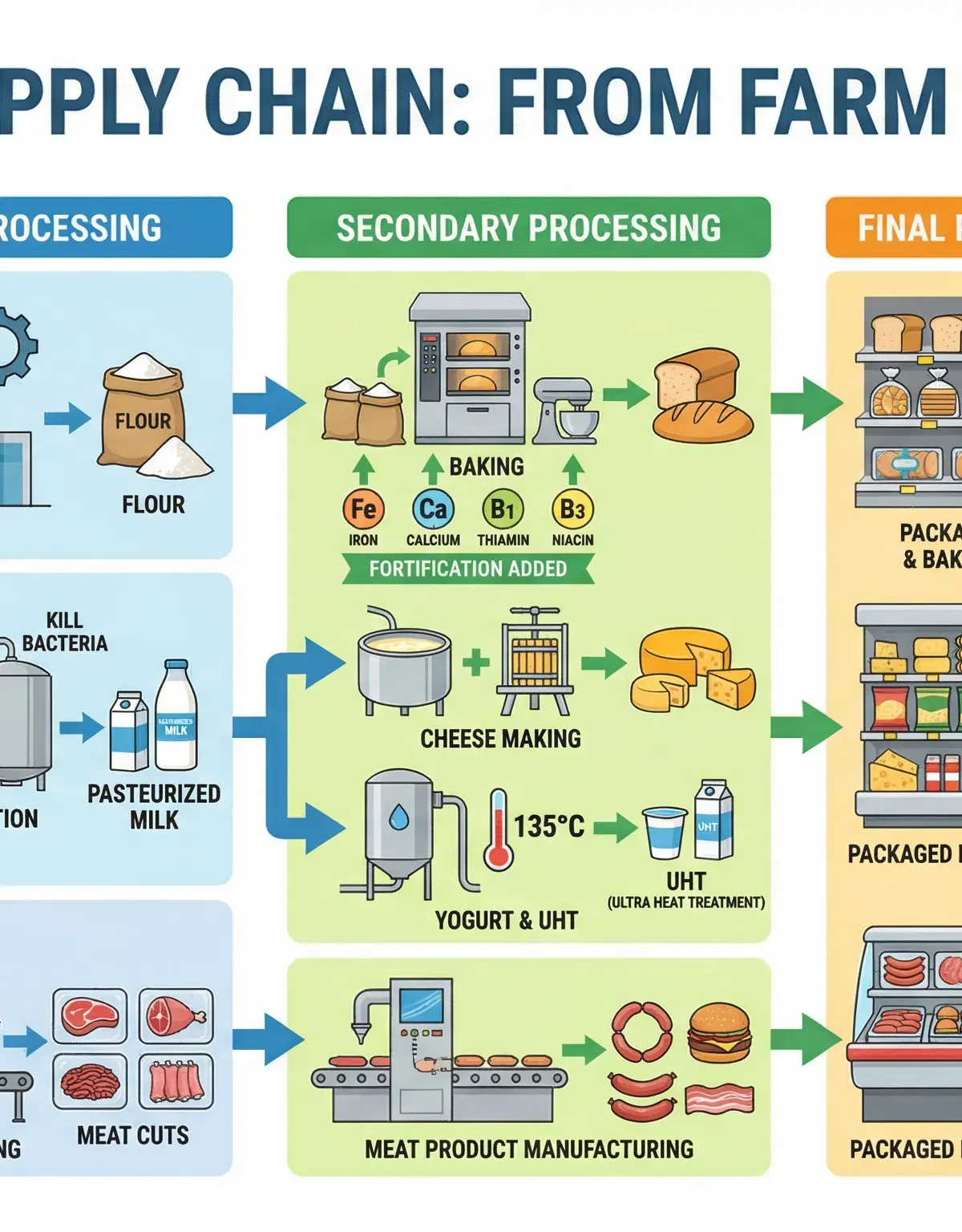
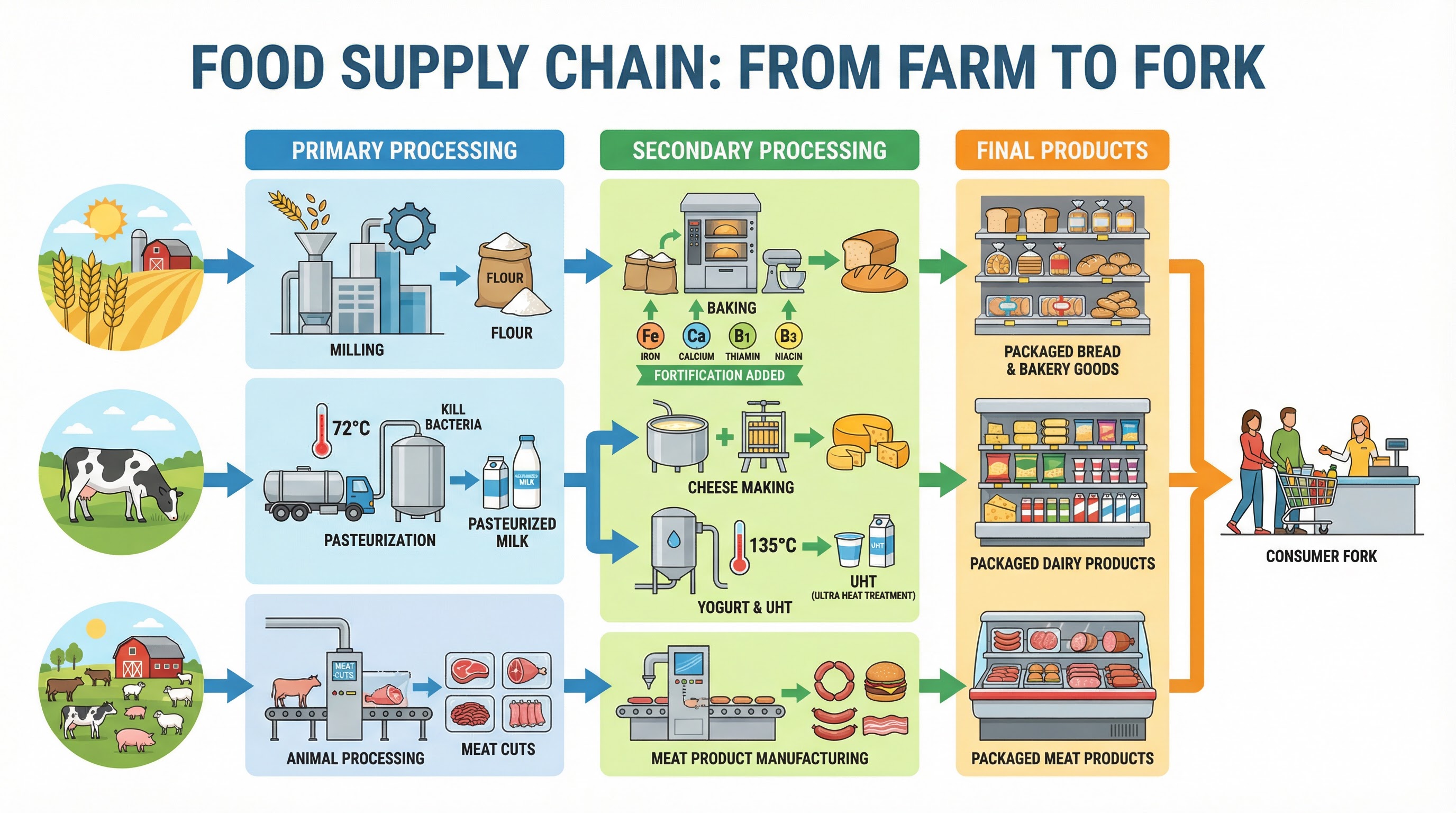
Primary Processing: This is the first stage after harvesting, where raw food materials are converted into ingredients. These processes do not create a new food product but make the raw material safe, edible, or ready for further processing.
- What happens: Milling wheat into flour, pasteurising milk, slaughtering animals for meat cuts, filleting fish, extracting oil from seeds.
- Why it matters: This stage is crucial for removing inedible parts, killing harmful pathogens, and preparing materials for the next stage of production. For example, pasteurisation (heating milk to 72°C for 15 seconds) destroys pathogenic bacteria, making it safe to drink and extending its shelf life.
- Specific Knowledge: Candidates must know the specific temperatures and times for milk processing: Pasteurisation (72°C for 15s) and UHT (135°C for 1-2s).
Secondary Processing: This stage involves taking the ingredients from primary processing and combining or modifying them to create a finished food product.
- What happens: Baking bread from flour, manufacturing cheese or yoghurt from milk, making sausages from meat, creating ready-meals.
- Why it matters: Secondary processing adds value to ingredients, creates a wider variety of food products, and often involves preservation techniques and the addition of nutrients (fortification). This is the stage where recipes are followed on an industrial scale.
- Specific Knowledge: A key example is the statutory fortification of non-wholemeal wheat flour in the UK with Iron, Calcium, Thiamin, and Niacin.
Farming Methods and Sustainability
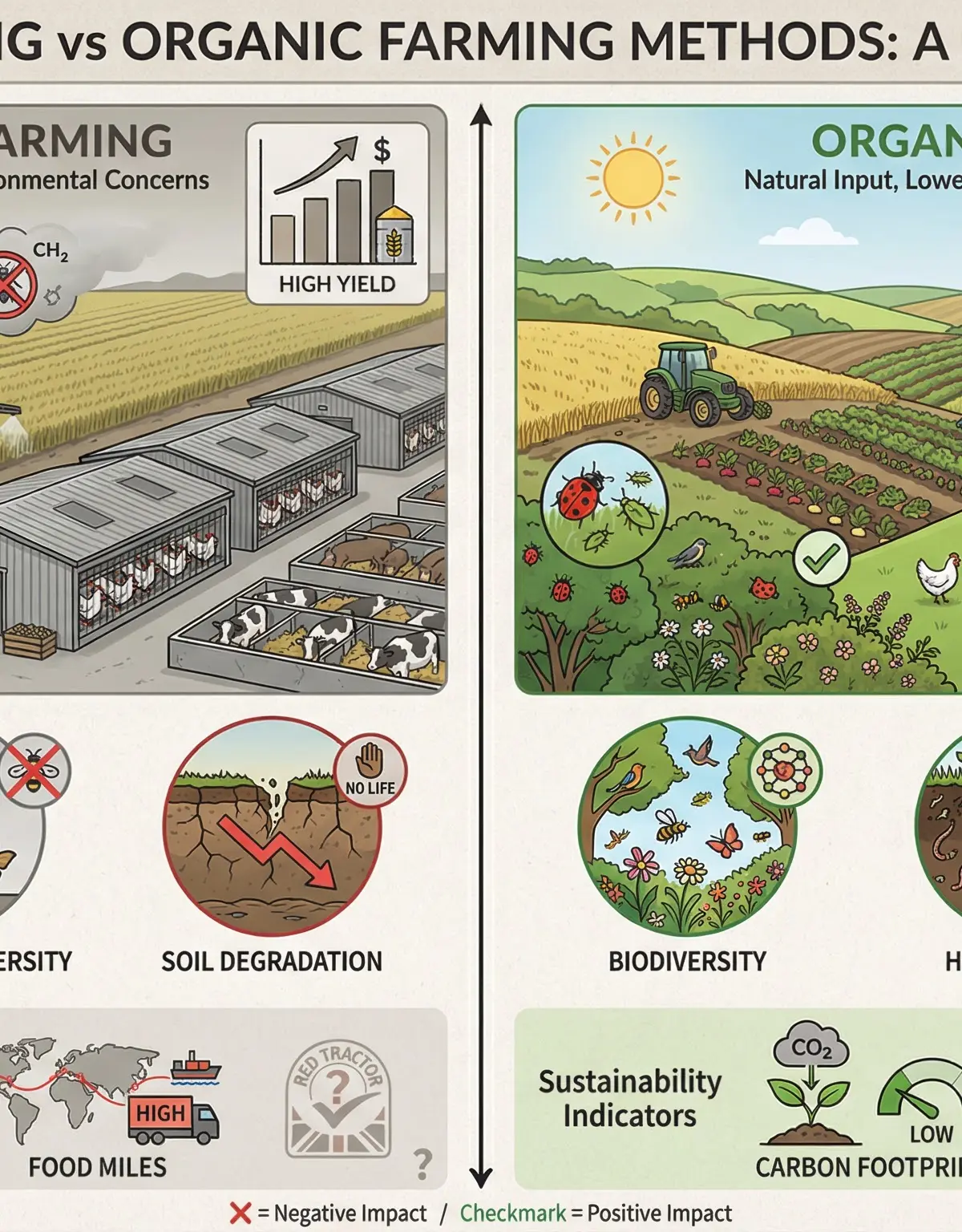
Sustainability is a major theme. Candidates must evaluate the environmental, social, and economic impacts of different food production systems.
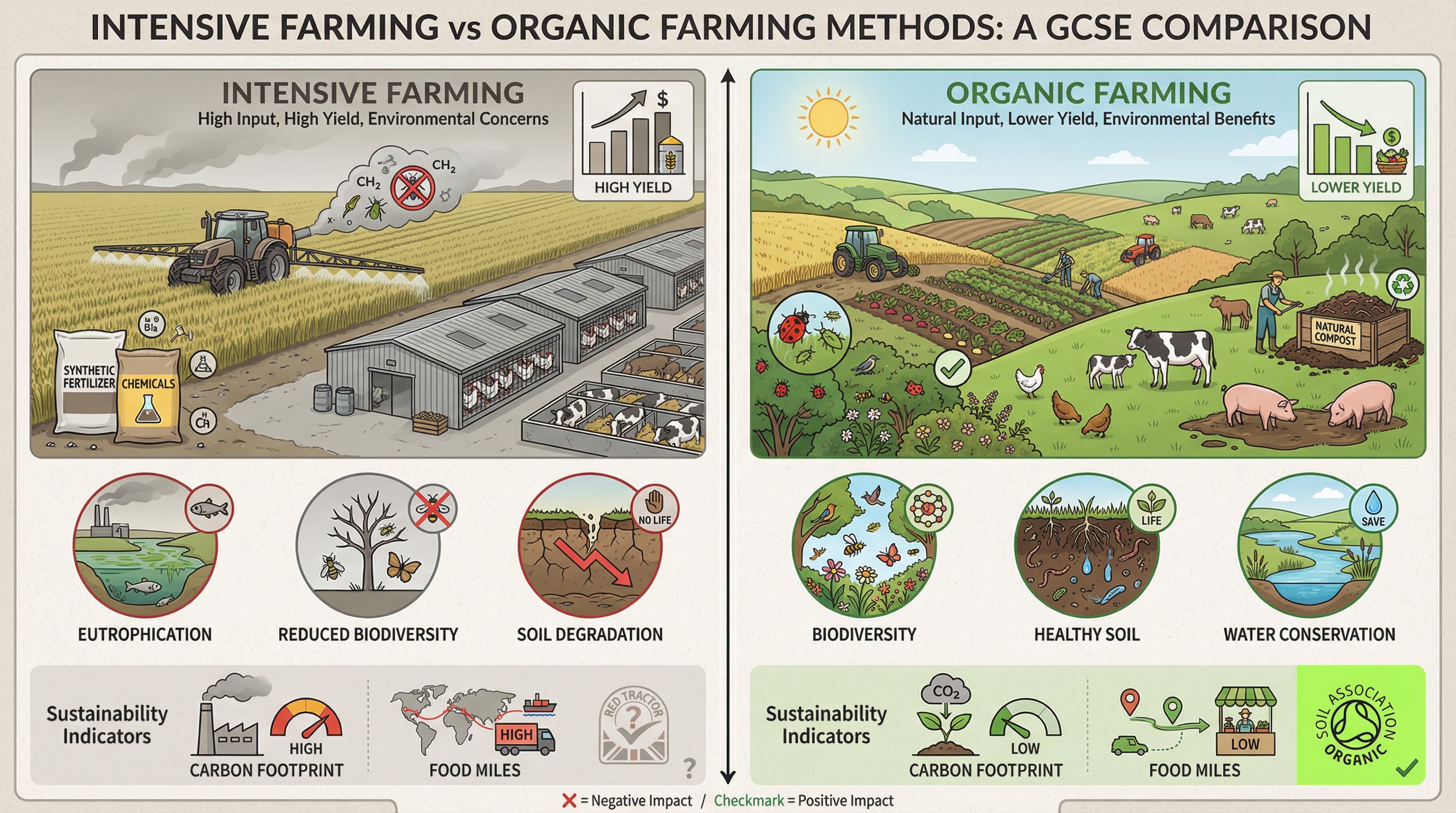
Intensive Farming
- What it is: A system focused on maximising yield from a limited area of land. It involves high inputs of capital, technology, synthetic fertilisers, and pesticides.
- Key Features: Monoculture (growing a single crop), high-density livestock farming (e.g., battery hens), heavy machinery use.
- Impact: High yields and lower consumer costs, but significant environmental consequences. Examiners award marks for citing specific impacts like eutrophication (fertiliser runoff causing algal blooms in rivers), biodiversity loss, and high carbon footprint from machinery and chemical production.
Organic Farming
- What it is: A strictly regulated system that avoids the use of synthetic fertilisers and pesticides. It focuses on soil health, biodiversity, and animal welfare.
- Key Features: Crop rotation, natural pest control (e.g., encouraging predators), use of compost and manure, free-range livestock.
- Impact: Improved soil structure and biodiversity, higher animal welfare standards. However, yields are typically lower, and products are more expensive. It is a common mistake to simply call it ‘chemical-free’; candidates should use the term ‘synthetic chemical-free’ for precision.
Food Security
Food security is defined as having access by all people at all times to enough safe, nutritious food to meet their dietary needs and food preferences for an active and healthy life.
- Key Factors Affecting Food Security: Examiners expect candidates to discuss specific, contemporary factors:
- Climate Change: Unpredictable weather patterns, droughts, and floods affecting crop yields.
- Conflict: War and civil unrest disrupting supply chains and farming.
- Cost of Inputs: Rising prices of fuel, fertiliser, and animal feed increasing the cost of food production.
- Population Growth: Increasing demand for food globally.
- Exam Relevance: In ‘evaluate’ or ‘discuss’ questions, candidates should provide a balanced analysis of how these factors interact to threaten food security in both developed and developing countries.
Visual Resources
2 diagrams and illustrations
Interactive Diagrams
1 interactive diagram to visualise key concepts
Conceptual Flow Outline
Simplified process flow from wheat to bread.
Worked Examples
3 worked examples — open one to explore the question and available guidance.
Practice Questions
Test your understanding — click to reveal model answers
Explain why milk is heat-treated during processing. (6 marks)
Hint: Think about the two main types of heat treatment and what each one achieves in terms of safety and shelf life.
To what extent is organic farming a sustainable alternative to intensive farming? (12 marks)
Hint: This is an evaluation question. You need to argue both for and against organic farming as a sustainable solution, considering environmental, economic, and social factors, before reaching a final judgement.
Describe two different methods of food production. (4 marks)
Hint: Choose two distinct methods (e.g., from different categories like farming or processing) and describe their key features.
Explain how food assurance schemes benefit the consumer. (6 marks)
Hint: Think about what the logos on packaging actually guarantee. Use a specific, named scheme as an example.
Explain the term 'fortification' using a specific example. (4 marks)
Hint: Define the term and then give the key UK statutory example that you need to memorise.
Test your understanding of Food production methods
Active recall beats re-reading. Take an instant quiz now to test what you’ve learned and lock it into long-term memory.
7 days Premium · Then free forever · No card, no charge