AQA · A-Level · Physical Education
Course version: 7582 · Version from Sept 2016
Preparation, competition, transition.
Full specification wording
Preparation and training methods in relation to maintaining physical activity and performance: Preparation, competition, transition.
This topic covers the three phases of a training year and how each is organised to maintain physical activity and performance.
Checked against the AQA 7582 specification (opens in a new tab) on .
- Point 11 of 19
- 3 key terms
Study notes
From the checked teaching notes for this specification point.
The idea
This topic covers the three phases of a training year and how each is organised to maintain physical activity and performance. Preparation is the phase before the main competitive period, when training volume is typically high and intensity is built progressively to develop fitness, technique and tactical understanding. Competition is the phase when the performer competes regularly; training load is managed so that the performer is fresh for fixtures while retaining fitness. Transition is the recovery phase after the season, when training volume and intensity drop to allow physical and psychological recovery before preparation begins again. A performer might use high-volume conditioning in preparation, reduce volume but keep intensity sharp in competition, then rest and cross-train in transition.
What earns the marks
- Preparation is the pre-season phase, building fitness, technique and tactics before competition.
- Preparation usually involves higher training volume with intensity increased progressively.
- Competition is the in-season phase, where training is managed around fixtures to keep the performer fresh yet fit.
- Transition is the off-season recovery phase, with reduced volume and intensity for physical and psychological recovery.
- The three phases form a cycle that repeats across the training year.
- Each phase has a distinct purpose, so the balance of volume and intensity changes between them.
Common mistakes and how to put them right
Thinking transition means stopping all activity.
Put it right: Transition uses reduced, lighter activity such as active recovery or cross-training, not complete inactivity.
Confusing preparation with competition.
Put it right: Preparation builds fitness before the season, while competition maintains it around fixtures.
Assuming training volume stays the same all year.
Put it right: Volume is highest in preparation and lowest in transition, with competition managed around matches.
Believing competition training should always be maximal.
Put it right: Load is tapered or managed so the performer is fresh for competition.
Exam tips
- Link each phase to a change in volume and intensity rather than just naming it.
- Use a named activity or sport to show how the phases differ in practice.
- Check whether the question asks about one phase or the whole cycle before answering.
Try the lesson
The start of the Preparation and training methods in relation to maintaining physical activity and performance: Preparation, competition, transition. lesson, made from checked teaching notes for this specification point.
Have a go first
A games player follows a training year divided into preparation, competition and transition phases. Which phase is designed mainly to develop general fitness and build the training base before the competitive fixtures begin?
Listen
This topic covers the three phases of a training year and how each is organised to maintain physical activity and performance. Preparation is the phase before the main competitive period, when training volume is typically high and intensity is built progressively to develop fitness, technique and tactical understanding. Competition is the phase when the performer competes regularly; training load is managed so that the performer is fresh for fixtures while retaining fitness. Transition is the recovery phase after the season, when training volume and intensity drop to allow physical and psychological recovery before preparation begins again. A performer might use high-volume conditioning in preparation, reduce volume but keep intensity sharp in competition, then rest and cross-train in transition. A strong answer earns marks for these points. Preparation is the pre-season phase, building fitness, technique and tactics before competition. Preparation usually involves higher training volume with intensity increased progressively. Competition is the in-season phase, where training is managed around fixtures to keep the performer fresh yet fit. Transition is the off-season recovery phase, with reduced volume and intensity for physical and psychological recovery. A common slip: Thinking transition means stopping all activity. Instead, transition uses reduced, lighter activity such as active recovery or cross-training, not complete inactivity. Exam tip: Link each phase to a change in volume and intensity rather than just naming it.
See it
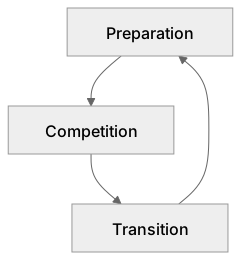
Key words
Say what each word means before you turn the card.
Preparation
Try answering aloud or in your head before turning the card.
Competition
Try answering aloud or in your head before turning the card.
Transition
Try answering aloud or in your head before turning the card.
See every definition
- Preparation
- The phase before the main competitive period, when training volume is typically high and intensity is built progressively to develop fitness, technique and tactical understanding.
- Competition
- The phase when the performer competes regularly and training load is managed so that the performer is fresh for fixtures while retaining fitness.
- Transition
- The recovery phase after the season, when training volume and intensity drop to allow physical and psychological recovery before preparation begins again.
Label the diagram
Some boxes have lost their names. Pick the right name for each number.
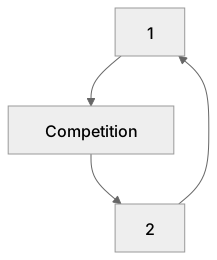
1Box 1
2Box 2
There is more to this lesson
The full lesson goes on to check your understanding and help you earn the marks. Create a free account to carry on, with your progress saved.
A week of Premium from your first lesson · Then the free plan continues · No card, no charge
Test your understanding of Preparation and training methods in relation to maintaining physical activity and performance: Preparation, competition, transition.
Active recall beats re-reading. Take an instant quiz now to test what you’ve learned and lock it into long-term memory.
A week of Premium from your first lesson · Then the free plan continues · No card, no charge