OCR · GCSE · Biology
Course version: J247 · Version from Sept 2018
Evaluate some different treatments for cardiovascular disease (to include:…
Full specification wording
Monitoring and maintaining health: evaluate some different treatments for cardiovascular disease (to include: lifestyle, medical and surgical)
Cardiovascular disease (CVD) treatments include lifestyle changes, medicines and surgery.
- Point 24 of 29
- 4 key terms
Study notes
From the teaching notes for this specification point.
The idea
Cardiovascular disease (CVD) treatments include lifestyle changes, medicines and surgery. Lifestyle changes such as a diet low in saturated fat, stopping smoking and regular exercise are non-invasive and lower blood pressure, but depend on long-term patient adherence and cannot reverse established atheromas; exercise also carries some injury risk. Medical treatments include statins, which reduce liver cholesterol synthesis to slow plaque build-up, and antihypertensives; they require daily use and may cause side effects such as muscle aches or liver dysfunction. Surgical options include stents to widen narrowed coronary arteries, bypass grafts and heart transplants; surgery can restore blood flow quickly, but carries risks of infection and thrombosis, and transplants risk donor organ rejection, requiring lifelong immunosuppressants.
What earns the marks
- Evaluate lifestyle modifications: non-invasive and effective at lowering blood pressure, but depend on patient adherence, cannot unblock established plaques and exercise carries some injury risk.
- Evaluate medical treatments such as statins and antihypertensives: they lower blood cholesterol and reduce clot risk, but require lifelong daily use and may cause side effects such as muscle aches or liver dysfunction.
- For each treatment category, give at least one clear advantage and one clear disadvantage, and compare categories rather than describing them in isolation.
Common mistakes and how to put them right
Assuming statins dissolve existing coronary plaques instantly.
Put it right: They reduce liver cholesterol synthesis to slow further plaque growth.
Stating that heart bypass surgery cures cardiovascular disease permanently without the need for ongoing healthy lifestyle maintenance.
Claiming lifestyle changes have no risks at all.
Put it right: Exercise can cause injury and dietary change can have other effects.
Exam tips
- Structure evaluation answers into three categories: lifestyle (diet, exercise, smoking), medical (statins, antihypertensives) and surgical (stents, bypass, transplants).
- For each category, state at least one advantage and one disadvantage, then compare categories to reach a supported judgement.
Try the lesson
The start of the Monitoring and maintaining health: evaluate some different treatments for cardiovascular disease (to include: lifestyle, medical and surgical) lesson, made from teaching notes for this specification point.
Have a go first
Which of these is a lifestyle treatment for cardiovascular disease?
Listen
Cardiovascular disease (CVD) treatments include lifestyle changes, medicines and surgery. Lifestyle changes such as a diet low in saturated fat, stopping smoking and regular exercise are non-invasive and lower blood pressure, but depend on long-term patient adherence and cannot reverse established atheromas; exercise also carries some injury risk. Medical treatments include statins, which reduce liver cholesterol synthesis to slow plaque build-up, and antihypertensives; they require daily use and may cause side effects such as muscle aches or liver dysfunction. Surgical options include stents to widen narrowed coronary arteries, bypass grafts and heart transplants; surgery can restore blood flow quickly, but carries risks of infection and thrombosis, and transplants risk donor organ rejection, requiring lifelong immunosuppressants. A strong answer earns marks for these points. Evaluate lifestyle modifications: non-invasive and effective at lowering blood pressure, but depend on patient adherence, cannot unblock established plaques and exercise carries some injury risk. Evaluate medical treatments such as statins and antihypertensives: they lower blood cholesterol and reduce clot risk, but require lifelong daily use and may cause side effects such as muscle aches or liver dysfunction. Evaluate surgical interventions such as stents, bypass grafts and heart transplants: they can restore blood flow quickly, but carry operative risks of infection and thrombosis, and transplants risk rejection requiring lifelong immunosuppressants. For each treatment category, give at least one clear advantage and one clear disadvantage, and compare categories rather than describing them in isolation. Exam tip: Structure evaluation answers into three categories: lifestyle (diet, exercise, smoking), medical (statins, antihypertensives) and surgical (stents, bypass, transplants).
See it

Key words
Say what each word means before you turn the card.
lifestyle changes
Try answering aloud or in your head before turning the card.
statins
Try answering aloud or in your head before turning the card.
stents
Try answering aloud or in your head before turning the card.
heart transplants
Try answering aloud or in your head before turning the card.
See every definition
- lifestyle changes
- Non-invasive measures such as a diet low in saturated fat, stopping smoking and regular exercise, which lower blood pressure but depend on long-term patient adherence and cannot reverse established atheromas.
- statins
- Medicines that reduce liver cholesterol synthesis to slow plaque build-up, require daily use and may cause side effects such as muscle aches or liver dysfunction.
- stents
- Surgical option to widen narrowed coronary arteries, which can restore blood flow quickly but carries risks of infection and thrombosis.
- heart transplants
- Surgical option that carries a risk of donor organ rejection, requiring lifelong immunosuppressants.
Label the diagram
Some boxes have lost their names. Pick the right name for each number.
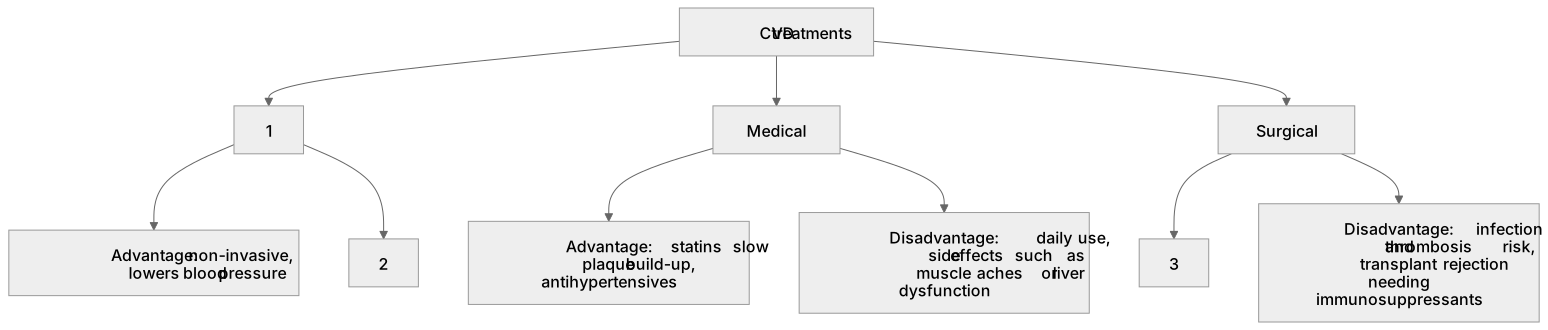
1Box 1
2Box 2
3Box 3
There is more to this lesson
The full lesson goes on to check your understanding and help you earn the marks. Create a free account to carry on, with your progress saved.
A week of Premium from your first lesson · Then the free plan continues · No card, no charge
Test your understanding of Monitoring and maintaining health: evaluate some different treatments for cardiovascular disease (to include: lifestyle, medical and surgical)
Active recall beats re-reading. Take an instant quiz now to test what you’ve learned and lock it into long-term memory.
A week of Premium from your first lesson · Then the free plan continues · No card, no charge