OCR · GCSE · French
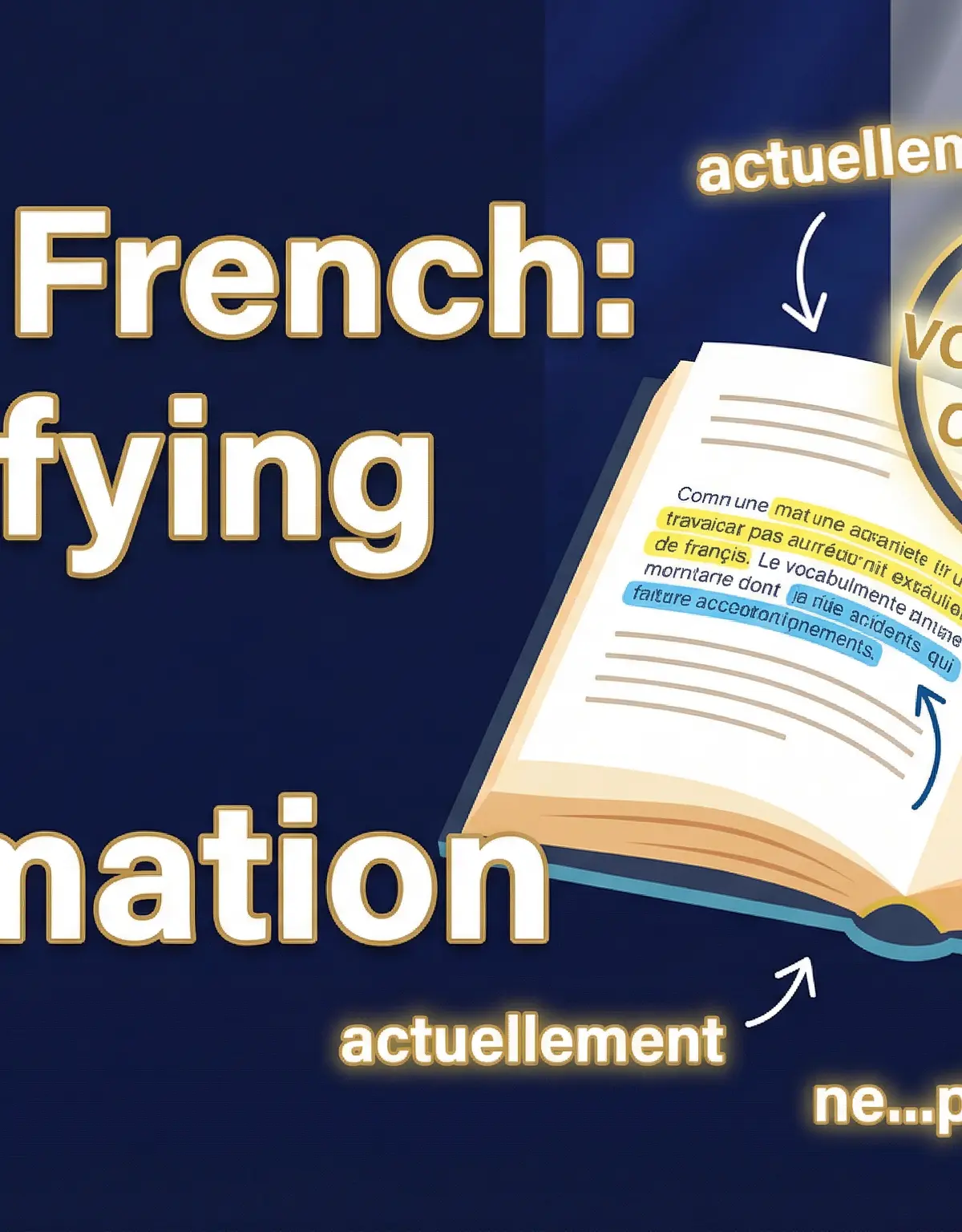
Identifying key information in written French
Mastering OCR GCSE French requires precision in reading. This guide equips you to decode written texts like an examiner, targeting the crucial skill of identifying key information to secure top marks.
- 4 min read
- 3 worked examples
- 5 practice questions
- 6 key terms
Study Notes
Overview
This guide focuses on Assessment Objective 3 (AO3) for OCR GCSE French, which accounts for 50% of your final grade. Examiners are testing your ability to understand and respond to written French. This involves not just translating words, but accurately extracting specific details, identifying time frames, and understanding nuances like opinions and feelings. Success in this area comes from moving beyond a word-for-word translation and developing a strategic approach to reading, where you actively hunt for the information the question demands. You will be presented with a range of authentic and adapted texts, from simple messages to more complex articles, across themes of identity, culture, and employment. This guide will break down the common traps, highlight the key grammatical structures you must know, and provide a clear methodology for turning challenging texts into marks on the board.
Key Skills & Strategies
1. Deconstructing the Question
What to do: Before you even read the source text, dissect the question. Underline the question word (Quand, Qui, Pourquoi, Comment) and any specific details you need to find. This primes your brain to scan for relevant information.
Why it matters: Examiners report that many candidates lose marks by answering the wrong question. If the question asks 'Why?', an answer that explains 'When?' will receive zero credit, even if the information is factually correct.
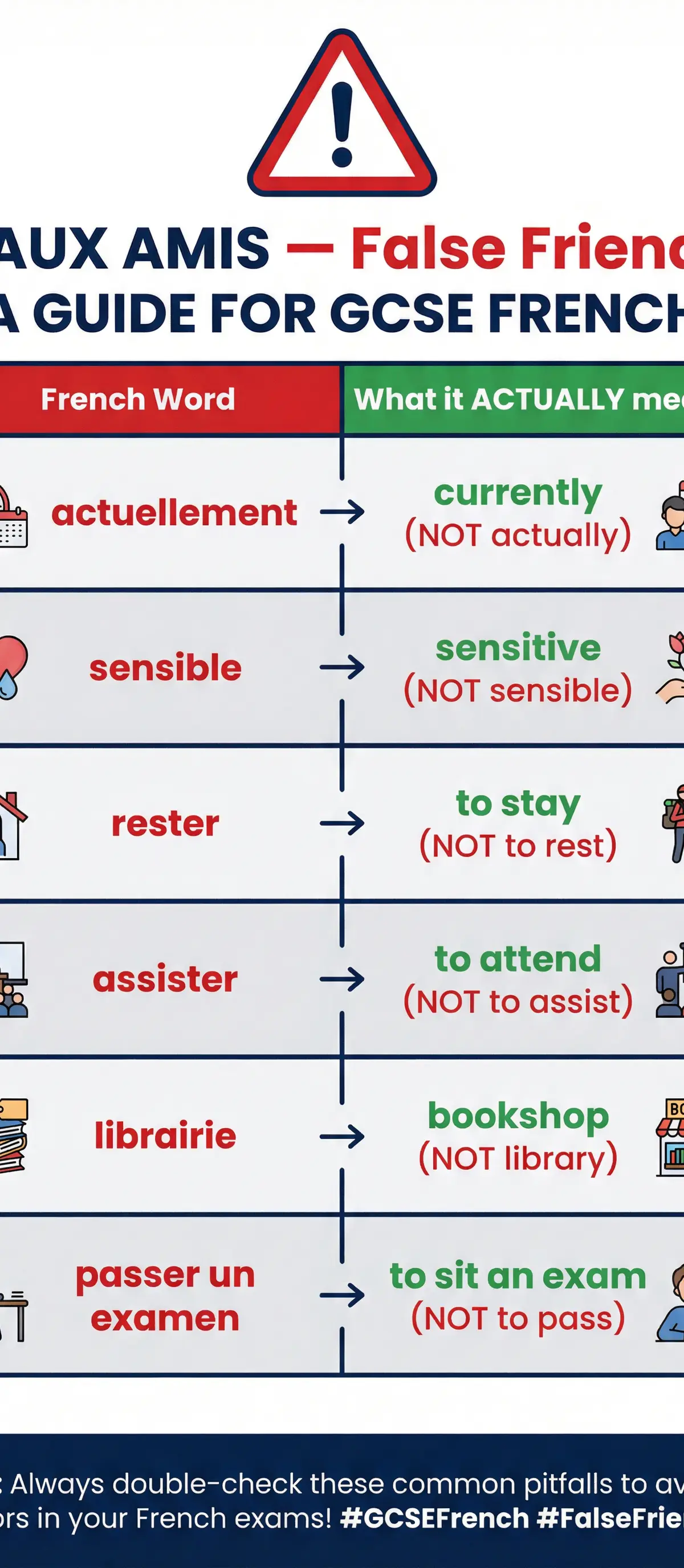
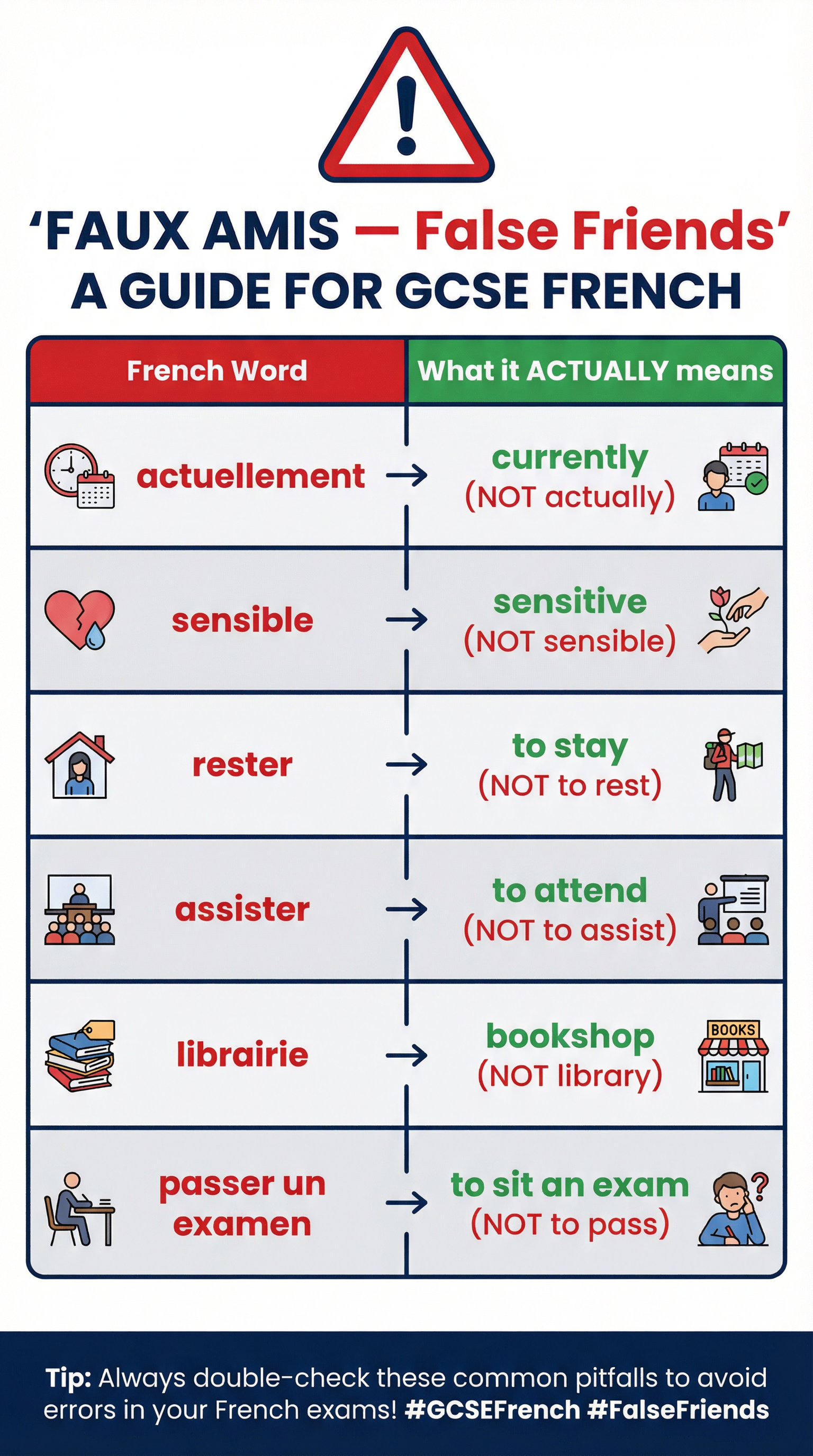
2. Navigating Vocabulary: Spotting 'Faux Amis'
What they are: 'Faux amis' (false friends) are words that look like English words but have different meanings. They are a common tool used by examiners to create distractors in multiple-choice questions.
Why it matters: Misinterpreting a single false friend can lead you to choose the wrong answer or completely misunderstand the tone of a text. Credit is only given for the precise meaning.
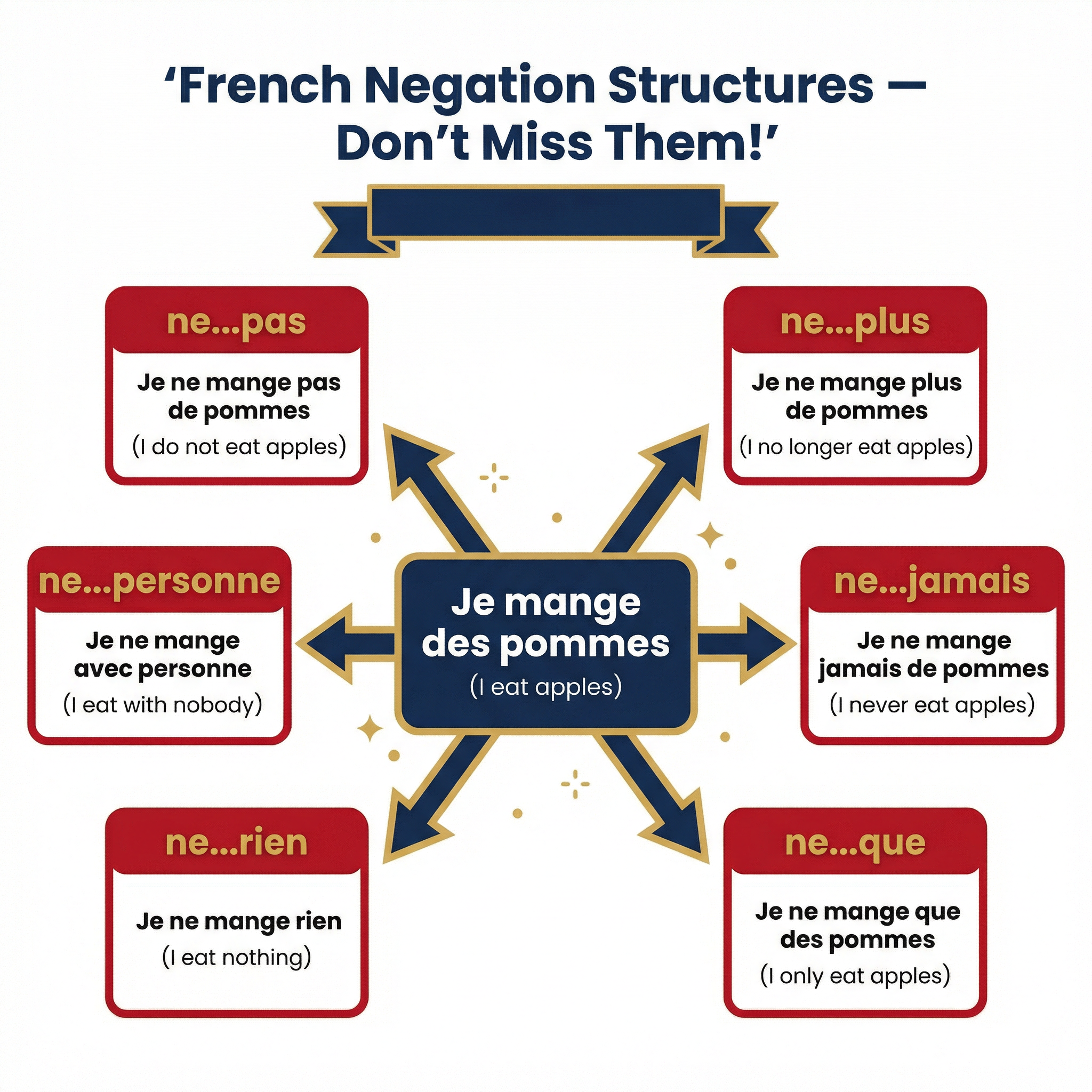
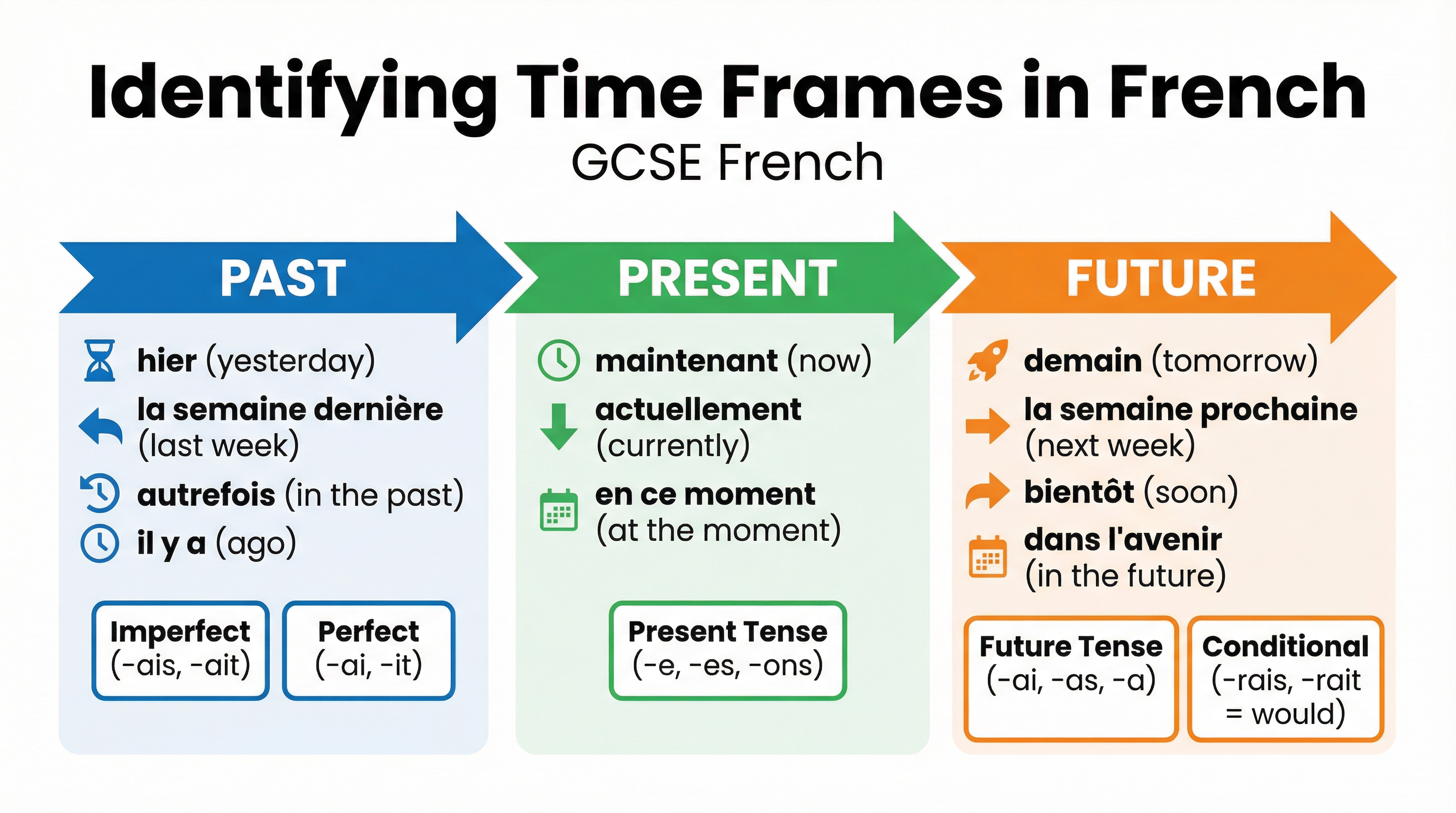
3. Decoding Grammar: Negatives & Tenses
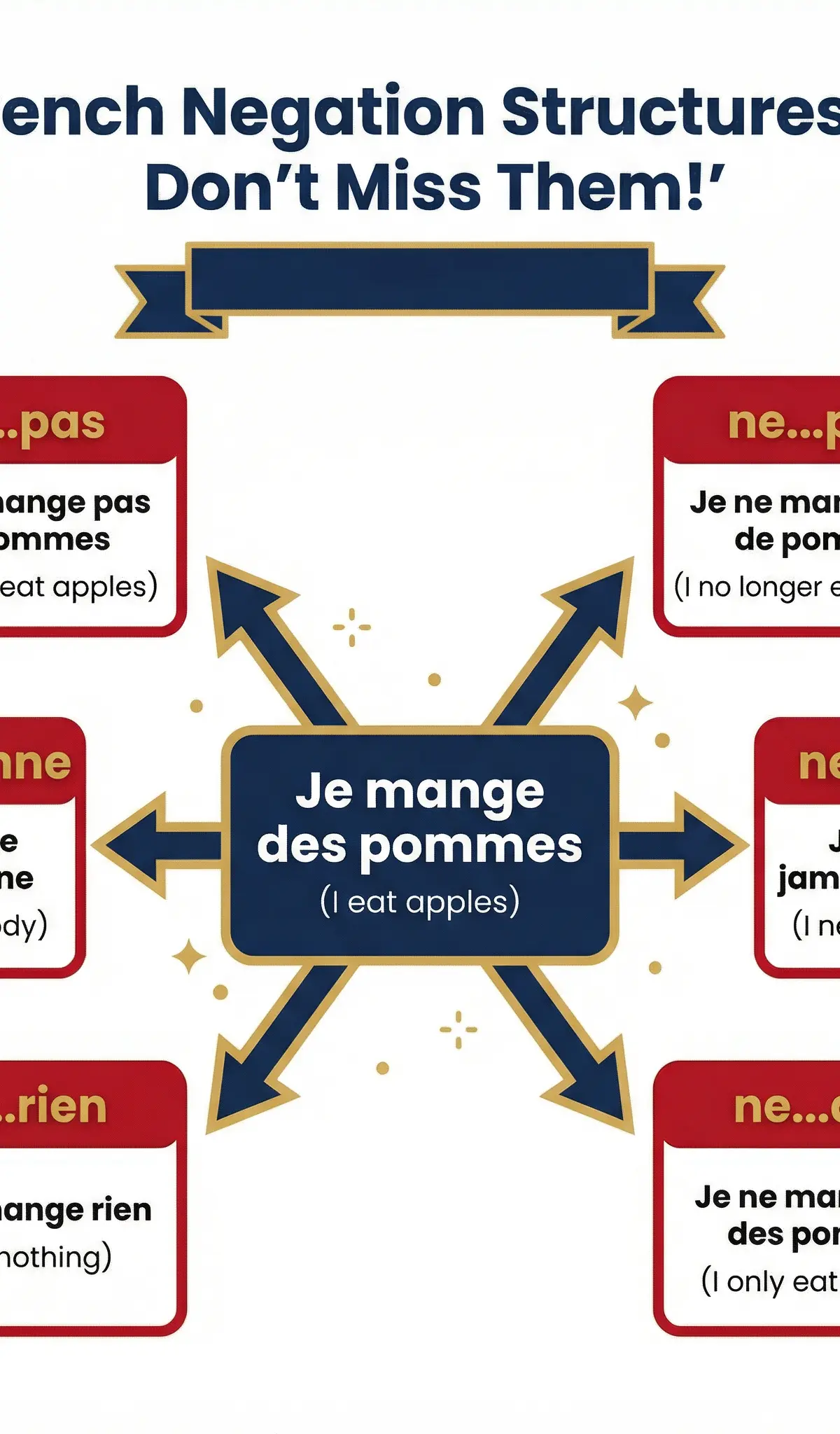
Negation: French has more complex negative structures than English. You must be able to spot them to avoid misinterpreting the text. A common mistake is overlooking a negative and stating the opposite of what the text says.
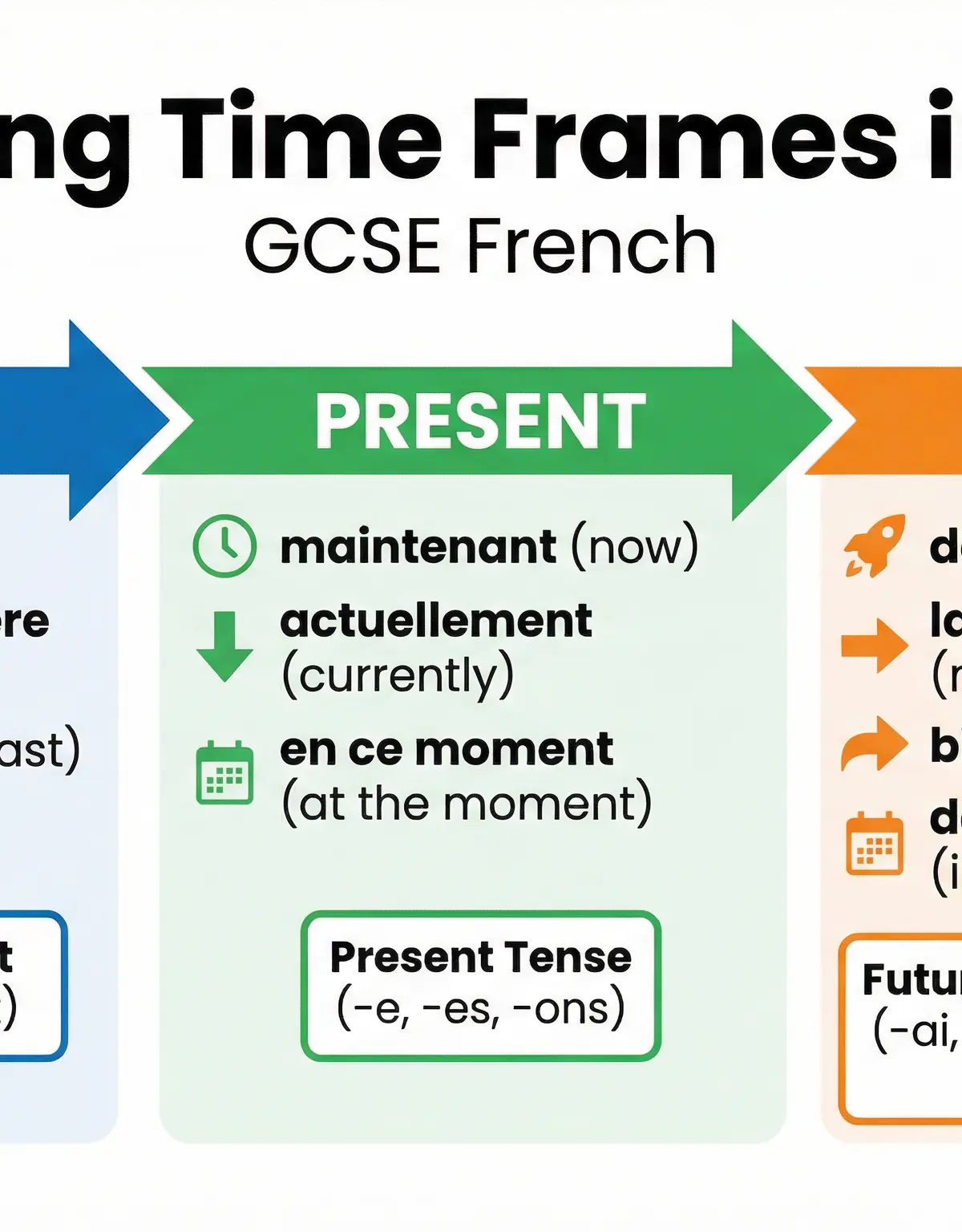
Tense Identification: You must be able to identify whether an action is in the past, present, or future. Pay close attention to verb endings and temporal markers (time indicators).
Second-Order Concepts
Causation
In texts that present an argument or a series of events, you need to understand the relationship between actions and outcomes. Look for connecting words like car (because), donc (so), and pour que (so that) to identify cause and effect.
Consequence
Be able to identify the results or outcomes of actions described. Questions often test this with phrases like "What was the result of...?" (Quel a été le résultat de...?).
Change & Continuity
When reading about a person's life or a developing situation, be aware of what has changed and what has stayed the same. Look for time markers and phrases that indicate a shift, such as avant (before) and maintenant (now).
Significance
Why is a particular piece of information important? In a text, the author might use phrases like surtout (especially) or le plus important (the most important thing) to signal significance.
Worked Examples
3 worked examples — open one to explore the question and available guidance.
Practice Questions
Test your understanding — click to reveal model answers
Read the text: 'Sophie est allée au marché hier. Elle a acheté des pommes, mais elle n'a pas acheté de bananes car elles étaient trop chères.' Why didn't Sophie buy bananas? (1 mark)
Hint: Look for the word 'car' (because).
Read the text: 'Mon frère ne regarde jamais la télé, mais il écoute toujours la radio.' Which of these statements is true? A) He always watches TV. B) He sometimes listens to the radio. C) He never watches TV. D) He never listens to the radio.
Hint: Focus on the meaning of 'ne...jamais' and 'toujours'.
Read the text: 'Dans le futur, j'habiterai en Espagne. J'adorerais travailler dans une librairie parce que j'aime les livres.' Where would the writer love to work? (1 mark)
Hint: Be careful with the 'faux ami'! What is a 'librairie'?
Read the text: 'Je ne fais plus de natation. Maintenant, je joue au tennis tous les samedis.' What sport does the person do now? (1 mark)
Hint: What does 'ne...plus' mean? What does 'maintenant' mean?
Read the text: 'Le weekend prochain, s'il fait beau, nous ferons un pique-nique. S'il pleut, nous irons au musée.' What will they do if it rains next weekend? (1 mark)
Hint: Find the part of the sentence that follows 'S'il pleut' (If it rains).