OCR · GCSE · Physical Education
Nutrition: Balanced Diet and Macronutrient/Micronutrient Requirements
This guide provides a comprehensive analysis of Nutrition for OCR GCSE Physical Education (4.4), focusing on balanced diets, macronutrient/micronutrient roles, and their direct impact on sporting performance. It is designed to help candidates apply theoretical knowledge to practical scenarios to maximise marks.
- 8 min read
- 3 worked examples
- 4 practice questions
- 6 key terms
Study Notes
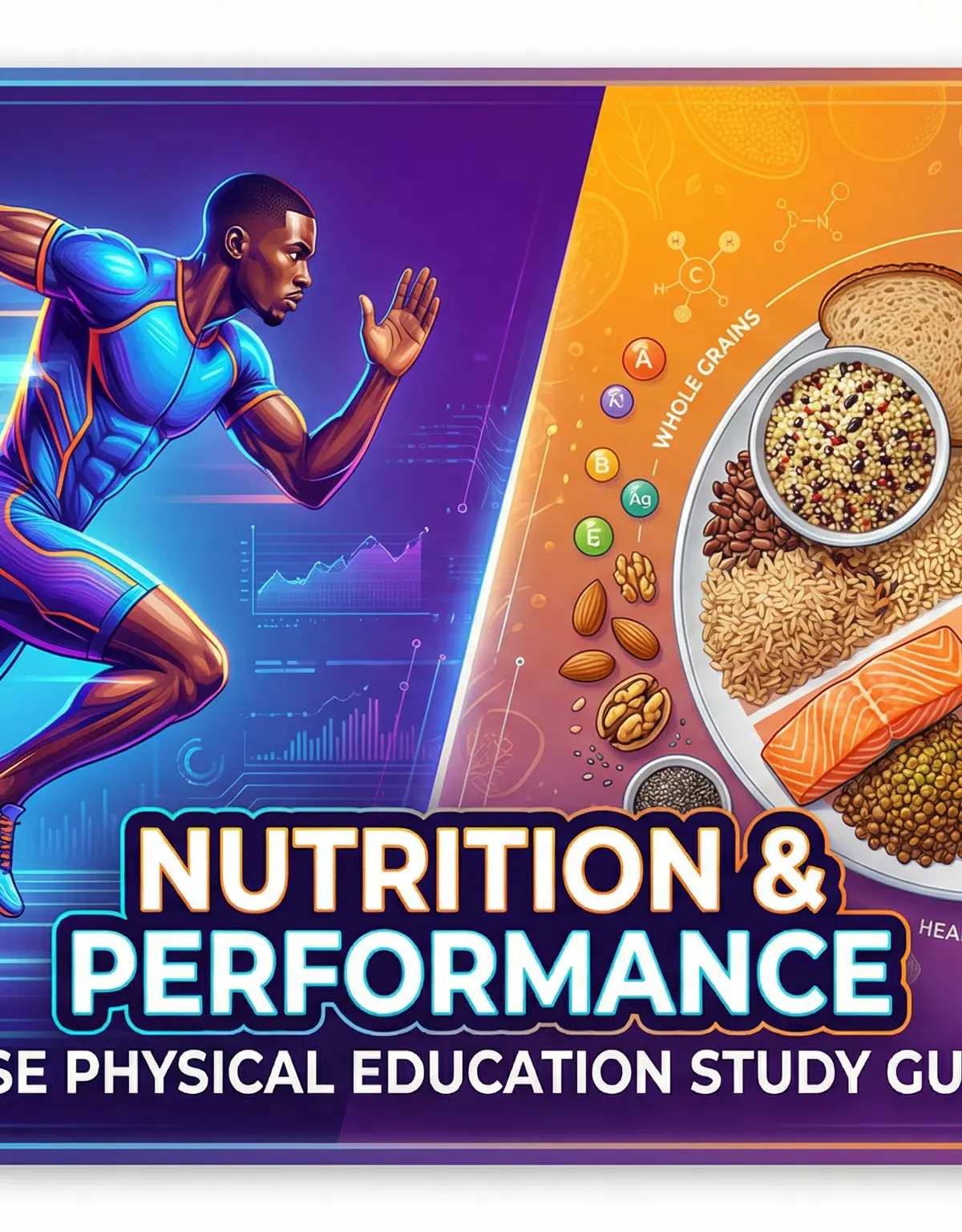
Overview
Welcome to your deep dive into Nutrition, a critical component of the OCR GCSE Physical Education course. A thorough understanding of how diet fuels performance is essential for any aspiring athlete and is a topic frequently tested in Component 01. Examiners are looking for candidates who can move beyond simple definitions and analyse the intricate relationship between what an athlete eats and how they perform. This guide will break down the core principles of a balanced diet, explore the specific roles of macronutrients and micronutrients, and provide exam-focused strategies to help you secure top marks.

Key Knowledge & Theory
Core Concepts
A balanced diet is fundamental to athletic success. For exam purposes, it is defined as a diet where energy intake equals energy expenditure, ensuring the correct ratios of nutrients are consumed to meet the demands of the individual's lifestyle and physical activity levels. It is not a one-size-fits-all concept; a gymnast's dietary needs are vastly different from a rugby player's.
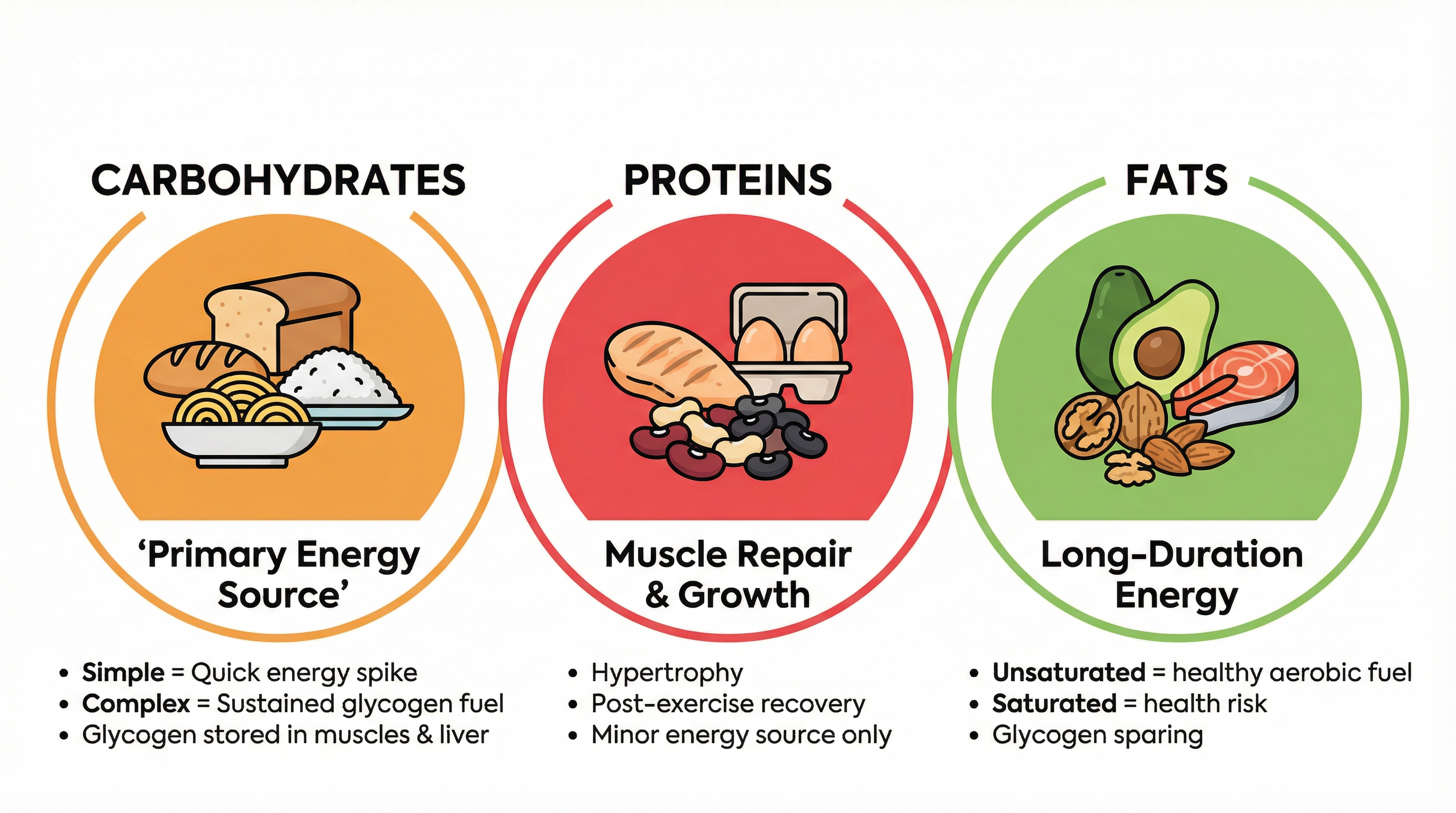
Macronutrients are the nutrients the body requires in large amounts for energy, growth, and repair. They are Carbohydrates, Proteins, and Fats.
-
Carbohydrates: The body's primary and preferred source of energy for exercise. They are broken down into glucose for immediate use or stored as glycogen in the muscles and liver for later use.
- Simple Carbohydrates (e.g., sugars, fruits, sweets): Provide a rapid release of energy, ideal for a quick boost before a sprint or during a break in play.
- Complex Carbohydrates (e.g., pasta, rice, potatoes, whole grains): Provide a slow, sustained release of energy, making them perfect for endurance events like marathons or long-distance cycling.
-
Proteins: The building blocks of the body, essential for muscle growth (hypertrophy) and repair after exercise. When an athlete trains, they create microscopic tears in their muscle fibres; protein provides the amino acids needed to rebuild these fibres stronger. It is a common misconception that protein is a primary energy source – it is only used for energy in extreme circumstances when carbohydrate and fat stores are depleted. Good sources include chicken, fish, eggs, dairy, beans, and lentils.
-
Fats: A crucial energy source for low-intensity, long-duration aerobic activity. Fats are more energy-dense than carbohydrates, providing more than double the calories per gram. Aerobic training improves the body's ability to use fat for energy, a process known as glycogen sparing, which saves precious glycogen stores for higher intensity efforts later in an event.
- Unsaturated Fats (e.g., avocados, nuts, oily fish): Considered 'healthy' fats, they support cardiovascular health and provide aerobic energy.
- Saturated Fats (e.g., butter, fatty meats, processed foods): Linked to health risks and should be consumed in moderation.
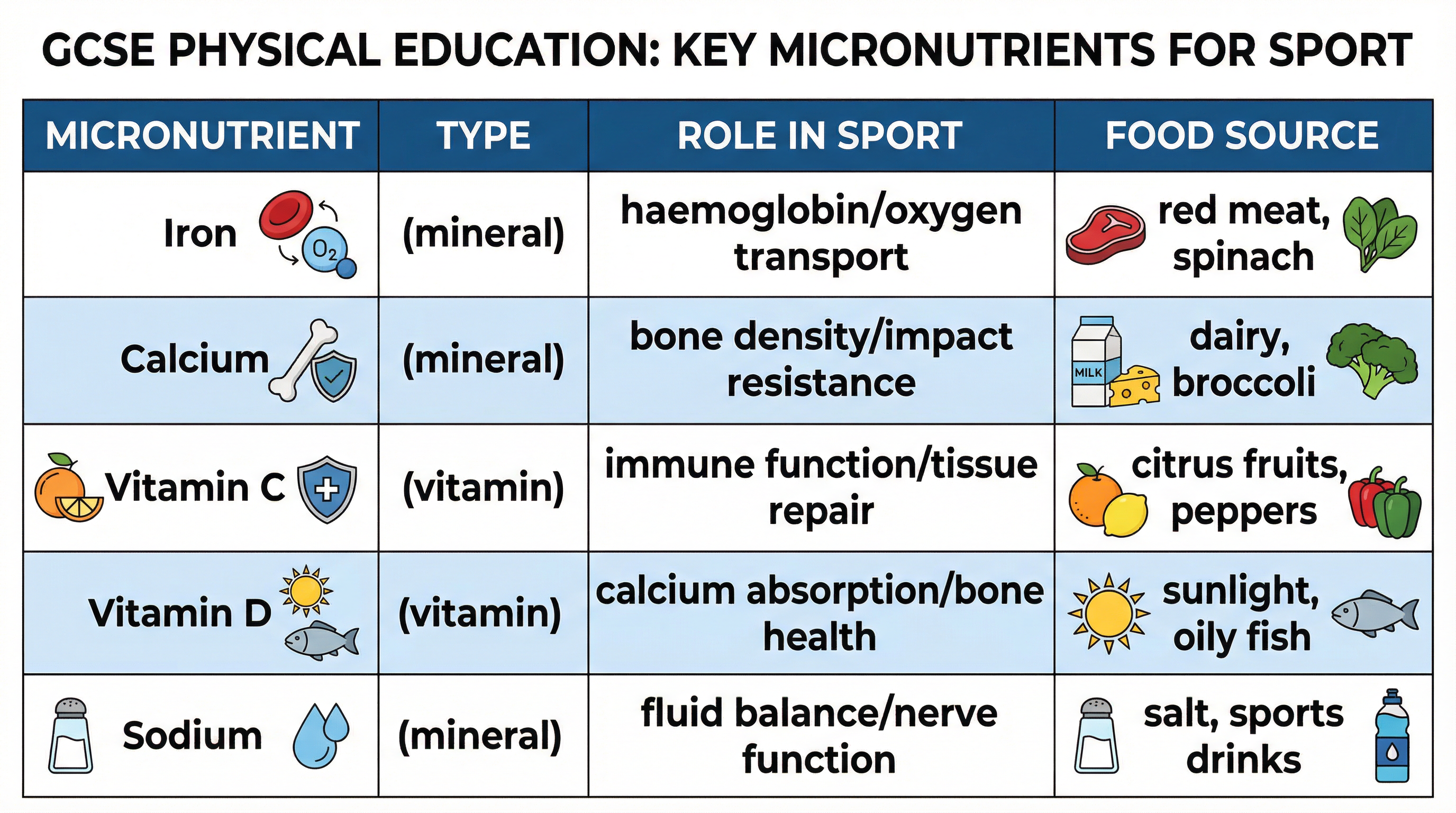
Micronutrients are vitamins and minerals required in smaller quantities but are vital for bodily functions essential to performance.
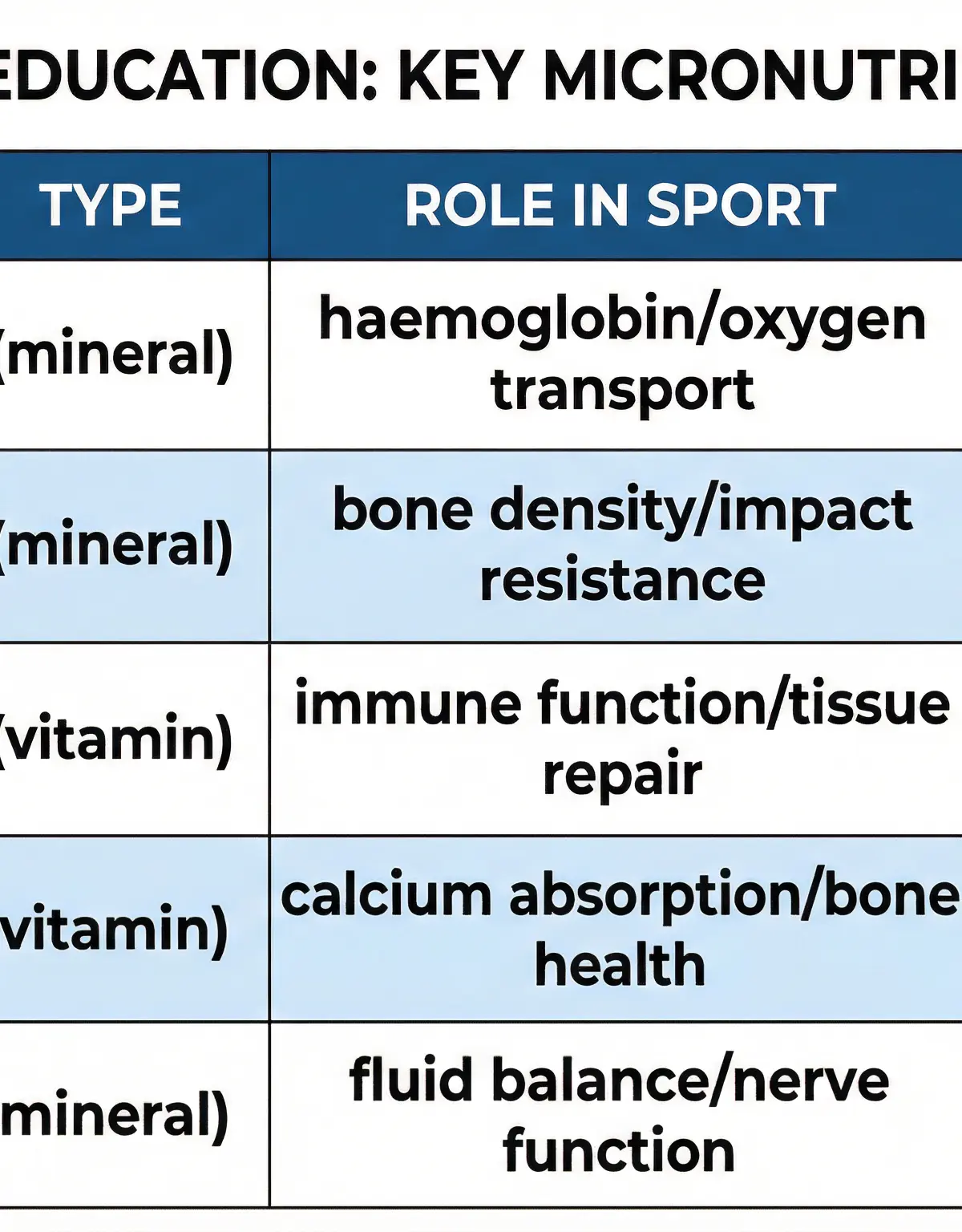
- Vitamins: Organic compounds that support various physiological processes. For example, Vitamin D is crucial for calcium absorption and bone health, while Vitamin C supports the immune system.
- Minerals: Inorganic elements with specific roles. Iron is essential for forming haemoglobin to transport oxygen, and Calcium is vital for bone strength and preventing stress fractures.
Technical Vocabulary
| Term | Definition | Relevance in Exam |
|---|---|---|
| Balanced Diet | Energy intake matches energy expenditure with the correct ratio of nutrients. | Must be defined accurately. Link it to the specific energy demands of an athlete. |
| Glycogen | The stored form of carbohydrate in the muscles and liver. | Essential for explaining energy for endurance events. Mentioning 'glycogen stores' shows high-level understanding. |
| Hypertrophy | The process of muscle growth and enlargement due to training. | The correct term for the result of protein's role in muscle repair. |
| Carbohydrate Loading | A strategy of eating high-carb meals for several days before an endurance event to maximise glycogen stores. | A key example of dietary manipulation for performance. Credit is given for applying it to the correct sport. |
| Glycogen Sparing | The effect of aerobic training where the body becomes more efficient at using fat for fuel, saving glycogen. | An excellent term to use in extended answers to demonstrate deep knowledge of energy systems. |
| Dehydration | An excessive loss of body water, which impairs performance and can be dangerous. | Link to the role of water and electrolytes (like sodium) in maintaining hydration. |
Practical Skills
Techniques & Processes: Dietary Manipulation
Candidates must be able to explain how athletes manipulate their diet for specific goals. A key practical skill is applying this knowledge chronologically.
The 3-Phase Approach for a Marathon Runner:
-
Pre-Event (The Week Before): Carbohydrate Loading
- Process: For 3-4 days leading up to the race, the athlete increases their carbohydrate intake to around 70% of their total calories. This involves eating large portions of pasta, rice, and potatoes.
- Purpose: To super-saturate the muscle and liver glycogen stores, maximising available fuel for race day. This can delay fatigue by up to 20%.
-
During-Event (The Race): Energy & Hydration Maintenance
- Process: Consuming simple carbohydrates (e.g., energy gels, jelly babies) and sports drinks containing electrolytes at regular intervals (e.g., every 45 minutes).
- Purpose: To maintain blood glucose levels for immediate energy and replace fluids and minerals (like sodium) lost through sweat, preventing dehydration and muscle cramps.
-
Post-Event (The Recovery Window): The 4 R's
- Process: Within a 30-60 minute 'recovery window' after finishing, the athlete consumes a meal or shake containing both carbohydrates and protein (ideally in a 3:1 or 4:1 ratio).
- Purpose: To Replenish glycogen stores, Repair muscle tissue, Rehydrate, and Recover. A chocolate milk drink is a classic, effective example.
Exam Component
Written Exam Knowledge
In the written paper, nutrition questions test all three Assessment Objectives:
- AO1 (Knowledge): Recalling definitions, nutrient sources, and roles.
- AO2 (Application): Applying this knowledge to a specific athlete or sport.
- AO3 (Analysis & Evaluation): Justifying dietary choices, comparing strategies, and evaluating their effectiveness.
Extended 6-mark questions often require you to analyse the nutritional needs of a performer. Use the Pre/During/Post structure to build a comprehensive answer. Always justify your points by explaining why a particular nutrient is needed for that specific activity's intensity and duration.
Visual Resources
2 diagrams and illustrations
Interactive Diagrams
1 interactive diagram to visualise key concepts
Conceptual Flow Outline
The journey of a carbohydrate from plate to performance.
Worked Examples
3 worked examples — open one to explore the question and available guidance.
Practice Questions
Test your understanding — click to reveal model answers
Identify two food sources of complex carbohydrates. [2 marks]
Hint: Think about foods that provide slow-release energy.
Describe the role of fats for a long-distance cyclist. [3 marks]
Hint: Consider the intensity and duration of the activity.
A games player, such as a footballer, needs a balanced diet. Explain the importance of both carbohydrates and water for the player during a match. [4 marks]
Hint: Think about the different types of movement in football (sprinting, jogging) and the effect of sweating.
Evaluate the suitability of a vegetarian diet for a professional rugby player. [6 marks]
Hint: Consider both the potential challenges (e.g., protein, iron) and the benefits. Make a justified conclusion.