OCR · A-Level · Psychology
Course version: H567 · Version from Sept 2015
Peer review: appreciate the role of the psychological community in…
Full specification wording
Report writing: Peer review: appreciate the role of the psychological community in validating new knowledge and ensuring integrity through the process of peer review.
Before a study reaches a journal an editor sends it, usually with the author anonymised, to two or three researchers working in the same field, who judge whether the method supports the…
- Point 4 of 4
- 4 key terms
Study notes
From the teaching notes for this specification point.
The idea
Before a study reaches a journal an editor sends it, usually with the author anonymised, to two or three researchers working in the same field, who judge whether the method supports the conclusion, whether the statistics were applied properly, whether the work is original and whether the ethics were sound. They recommend acceptance, revision or rejection, and the same machinery allocates grant money and selects conference papers. It is quality control rather than proof. The Open Science Collaboration reported in 2015 that when a hundred published psychology findings were repeated, fewer than half reached significance again, and Diederik Stapel published dozens of reviewed papers built on fabricated data before junior colleagues, not reviewers, exposed him.
What earns the marks
- Describe the process as a sequence: submission, editor selects expert reviewers in the same field, anonymous assessment of method, analysis, originality and ethics, then a recommendation to accept, revise or reject.
- Give all three functions the board expects, which are validating the quality and relevance of research, allocating research funding, and suggesting improvements before anything is published.
- Evaluate with a named weakness: publication bias toward significant results leaves the file drawer full of non-significant studies, so the published literature looks stronger than the evidence actually is.
- Argue that anonymity cuts both ways, since it protects honest criticism but also lets a reviewer slow or block a rival, and reviewers can favour established names and familiar theories over unorthodox work.
Common mistakes and how to put them right
Claiming that peer review checks whether the results are true.
Put it right: Reviewers read a manuscript; they do not rerun the study or inspect the raw data, which is how fabricated findings have passed review.
Describing peer review as something that happens after publication, when it happens before, which is the whole point of it.
Confusing peer review with replication.
Put it right: Replication is an independent team running the study again, and the replication crisis is the evidence that review on its own is not enough.
Exam tips
- Peer review is regularly worth four or more marks in an explain or discuss item, so prepare a paragraph with process, purpose and two criticisms rather than a one line definition.
- Scenario questions ask why a researcher should submit to a peer reviewed journal rather than post findings on a personal website, so answer in terms of validation, funding and the credibility of the claim.
- Link peer review to how psychological knowledge is judged scientific, because the same paragraph earns credit in questions about how science works.
Try the lesson
The start of the Report writing: Peer review: appreciate the role of the psychological community in validating new knowledge and ensuring integrity through the process of peer review. lesson, made from teaching notes for this specification point.
Have a go first
What is the primary purpose of the peer review process in psychological research?
Listen
Before a study reaches a journal an editor sends it, usually with the author anonymised, to two or three researchers working in the same field, who judge whether the method supports the conclusion, whether the statistics were applied properly, whether the work is original and whether the ethics were sound. They recommend acceptance, revision or rejection, and the same machinery allocates grant money and selects conference papers. It is quality control rather than proof. The Open Science Collaboration reported in 2015 that when a hundred published psychology findings were repeated, fewer than half reached significance again, and Diederik Stapel published dozens of reviewed papers built on fabricated data before junior colleagues, not reviewers, exposed him. A strong answer earns marks for these points. Describe the process as a sequence: submission, editor selects expert reviewers in the same field, anonymous assessment of method, analysis, originality and ethics, then a recommendation to accept, revise or reject. Give all three functions the board expects, which are validating the quality and relevance of research, allocating research funding, and suggesting improvements before anything is published. Evaluate with a named weakness: publication bias toward significant results leaves the file drawer full of non-significant studies, so the published literature looks stronger than the evidence actually is. Argue that anonymity cuts both ways, since it protects honest criticism but also lets a reviewer slow or block a rival, and reviewers can favour established names and familiar theories over unorthodox work. Exam tip: Peer review is regularly worth four or more marks in an explain or discuss item, so prepare a paragraph with process, purpose and two criticisms rather than a one line definition.
See it
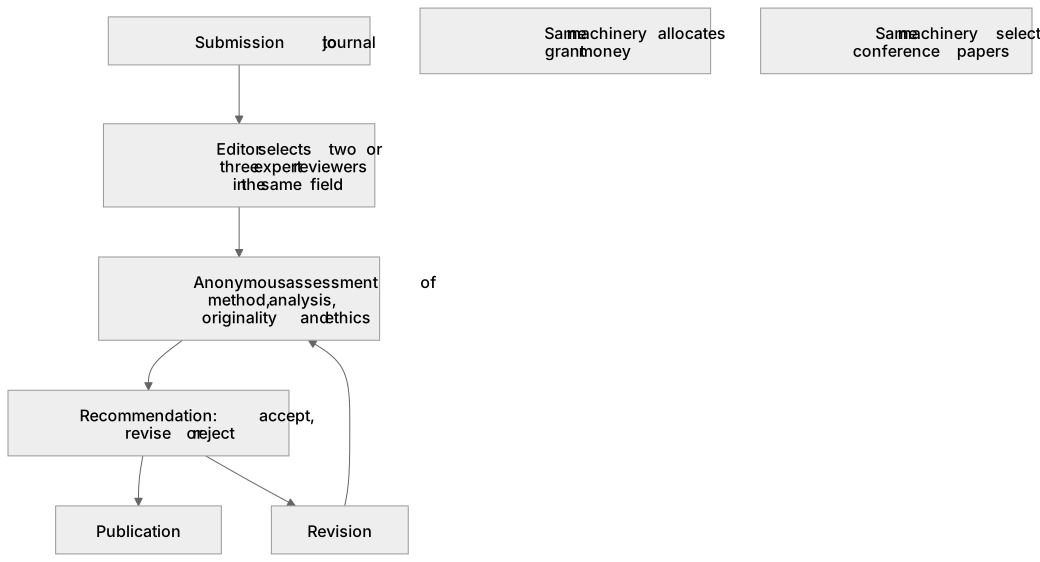
Key words
Say what each word means before you turn the card.
validation of new knowledge
Try answering aloud or in your head before turning the card.
publication bias
Try answering aloud or in your head before turning the card.
research funding
Try answering aloud or in your head before turning the card.
replication crisis
Try answering aloud or in your head before turning the card.
See every definition
- validation of new knowledge
- The role of the psychological community in judging whether a study's method supports its conclusion, whether the statistics were applied properly, whether the work is original and whether the ethics were sound.
- publication bias
- A bias toward significant results which leaves the file drawer full of non-significant studies, so the published literature looks stronger than the evidence actually is.
- research funding
- Money allocated by the same machinery of peer review that judges manuscripts, alongside the selection of conference papers.
- replication crisis
- The evidence, such as the Open Science Collaboration finding that fewer than half of a hundred repeated published psychology findings reached significance again, that review on its own is not enough.
Label the diagram
Some boxes have lost their names. Pick the right name for each number.
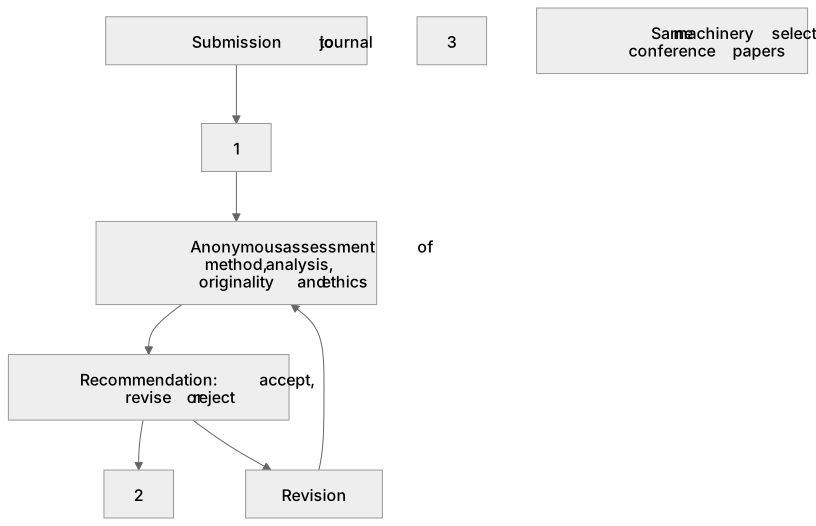
1Box 1
2Box 2
3Box 3
There is more to this lesson
The full lesson goes on to check your understanding and help you earn the marks. Create a free account to carry on, with your progress saved.
A week of Premium from your first lesson · Then the free plan continues · No card, no charge
Test your understanding of Report writing: Peer review: appreciate the role of the psychological community in validating new knowledge and ensuring integrity through the process of peer review.
Active recall beats re-reading. Take an instant quiz now to test what you’ve learned and lock it into long-term memory.
A week of Premium from your first lesson · Then the free plan continues · No card, no charge